

Hot Products
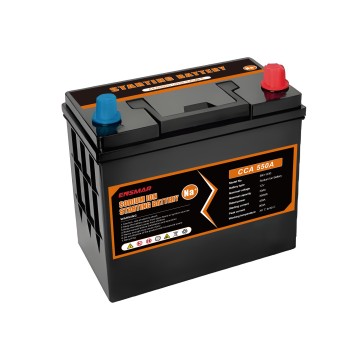
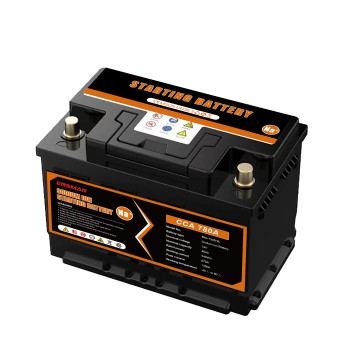
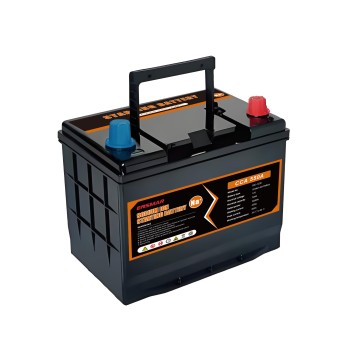
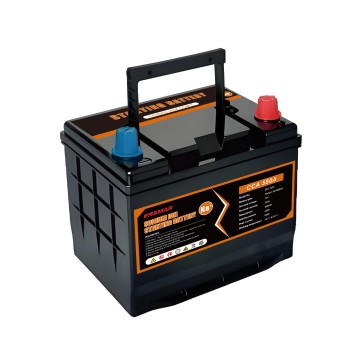
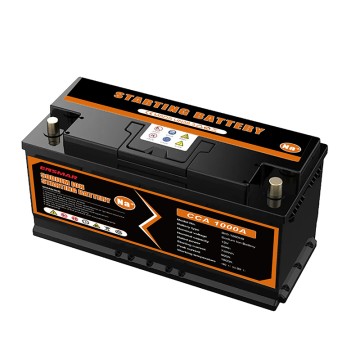

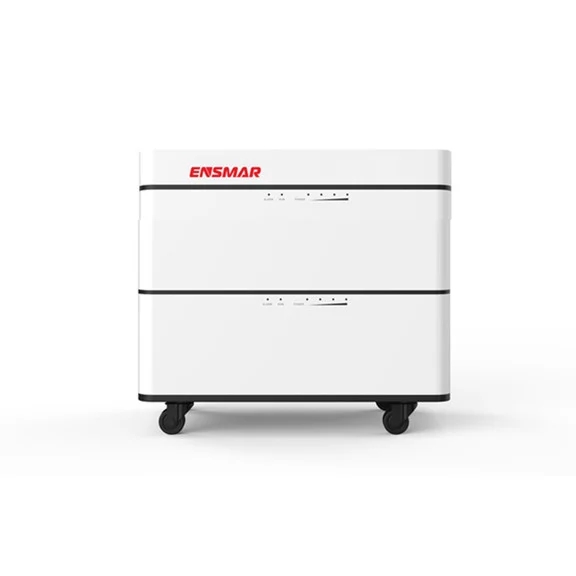
Stackable 48V 100Ah LiFePO4 Lithium Battery from China Suppliers - Apollo Series for Home Energy Storage
Product Features
Stackable structure makes installation simple and easy
Small footprint, saves valuable room space
Self-designed BMS; every module is equipped with a standalone unit
Top brand Grade A LiFePO4 battery cells, prismatic, top class safety
Seamless compatibility with multi-brand storage inverters
Battery connectors are fully enclosed with 0 safety risk
Powerful parallel capacity supporting up to 16 units in parallel
Long cycle life energy storage battery with ≥6000 cycles
Fully certified: IEC62619, UN38.3, CEC approved, and more
Technical Specifications
| Parameter | Apollo 48100H | Apollo 48100V |
|---|---|---|
| Battery Type | LiFePO4 (Lithium Iron Phosphate) | |
| Nominal Capacity | 100Ah | |
| Nominal Voltage | 51.2V | |
| Total Energy | 5120 Wh | |
| Charge Cut-off Voltage | 57.6V | |
| Discharge Cut-off Voltage | 40V | |
| Charge Current | 100A max | |
| Discharge Current | 100A max | |
| Communication Mode | RS485, CAN | |
| Ingress Protection | IP20 | |
| Scalability | Max 8 pcs in parallel | Max 4 pcs in parallel |
| Lifespan (80% DOD) | ≥6000 cycles, 25°C | |
| Compatible Inverters | Goodwe, Victron, SMA, Kosta, Fronius, Solis, Growatt, Sofar, Deye, Solar Ark, Outback, Voltronic, Pylontech optional (more brands announced regularly) | |
| Working Environment | -20°C to 60°C, < 95% RH | |
| Storage Environment | -20°C to 50°C, < 95% RH | |
| Operating Altitude | < 2000m | |
| Design Life | 15 Years | |
| Warranty Period | 5 Years standard (10 Years optional) | |
Tips About Lithium Battery Testing
How to Test Lithium-Ion Batteries?
Testing lithium-ion batteries is crucial to ensure their safety, performance, and reliability across their entire lifecycle—from development and mass manufacturing to end-use deployment.
1. Performance Testing
A. Capacity Test
Purpose: Measure actual capacity in Ah or Wh.
Method: Charge fully, discharge at constant current to cutoff voltage, and record Ah capacity.
B. Cycle Life Test
Purpose: Determine cycles before capacity drops below defined retention limit.
Method: Repeated charge-discharge under controlled conditions; log capacity per cycle.
C. Efficiency Test
Purpose: Evaluate round-trip efficiency (output vs. input energy).
Method: Measure input energy during charge and delivered energy during discharge.
2. Safety Testing
A. Overcharge Test
Purpose: Assess behavior when charged past maximum voltage limits.
Method: Apply excess voltage and monitor for overheating, leakage, or hazards.
B. Short Circuit Test
Purpose: Evaluate safety response during a direct short circuit.
Method: Short-circuit terminals with low resistance; track heat and electrical behavior.
C. Thermal Runaway Test
Purpose: Verify thermal resilience under extreme heat.
Method: Expose to high temperatures to observe venting or thermal runaway thresholds.
D. Crush Test
Purpose: Assess mechanical impact resistance.
Method: Apply designated crushing force to monitor against rupture or fire.
3. Environmental Testing
A. Temperature Cycling Test
Purpose: Measure durability across temperature variations.
Method: Alternate thermal chambers between extremes; evaluate stability.
B. Humidity Test
Purpose: Ensure resistance to condensation and moisture.
Method: Expose to high relative humidity; inspect for corrosion or leakage.
C. Altitude Simulation Test
Purpose: Verify operations in low-pressure, high-elevation zones.
Method: Chamber simulation of high altitudes (<2000m+).
4. Electrical Testing
A. Internal Resistance Test
Purpose: Determine internal impedance impacting heat and efficiency.
Method: Apply AC small current or DC pulse method to record voltage drop.
B. Charge/Discharge Rate Test
Purpose: Check multi-rate performance capabilities.
Method: Cycle under diverse C-rates while measuring capacity and thermals.
5. Aging and Degradation Testing
A. Calendar Life Test
Purpose: Track static aging without active continuous cycling.
Method: Store at defined SOC and ambient levels; track degradation over time.
B. Accelerated Aging Test
Purpose: Speed up aging to forecast long-term degradation.
Method: Apply stress variables (higher temperatures and elevated C-rates).
6. Standard Compliance Testing
Regulatory Standards
Purpose: Validate adherence to worldwide functional safety codes.
Standards: UL 1642, IEC 62133, IEC 62619, UN 38.3, and CE certification protocols.
Method: Specialized laboratory assessments covering full safety criteria.
Frequently Asked Questions
What is the cycle life and expected design life of this LiFePO4 battery?
The battery provides ≥6000 cycles at 80% Depth of Discharge (DOD) under 25°C operating conditions, offering a design life of over 15 years with a standard 5-year or optional 10-year warranty.
How many battery modules can be connected in parallel?
The Apollo 48100H supports up to 8 units in parallel, while the Apollo 48100V model supports up to 4 units in parallel, with total parallel capabilities reaching up to 16 units depending on system architecture.
Which storage inverters are compatible with the Apollo series?
It features open protocol compatibility via CAN and RS485 communication with industry-leading brands including Goodwe, Victron, SMA, Kosta, Fronius, Solis, Growatt, Sofar, Deye, Solar Ark, Outback, Voltronic, and Pylontech.
What makes the standalone BMS design safer?
Each module is equipped with a dedicated, self-designed Battery Management System (BMS). This monitors cell voltage, temperature, and current individually, ensuring no exposed terminal risks and complete protection against overcharge, short circuit, and thermal runaway.
What international certifications do these batteries carry?
The system is certified under international standards including IEC62619, UN38.3, and CEC approvals, verifying superior transport safety, cell stability, and electrical reliability.