
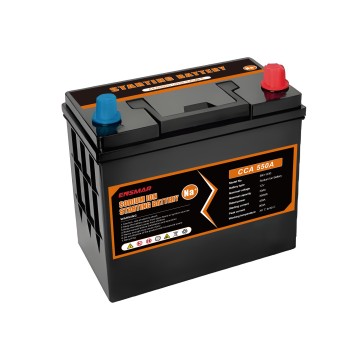
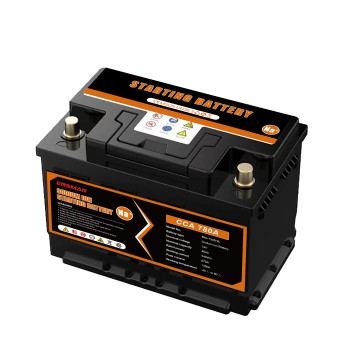
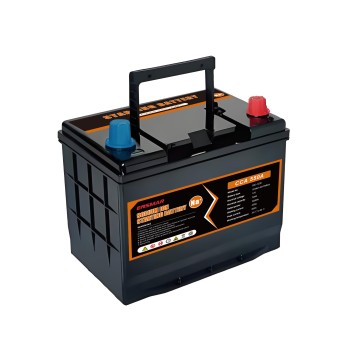

Sodium Powersports Batteries BIO-ETX7 - China Suppliers Factory for Superior Cold Weather Performance
Product Features
Excellent low-temperature performance, capable of operating normally even at -40°C.
Extra-long lifespan, with up to 3,000 cycles and at least 100,000 start-stop cycles.
Fast charge and discharge capabilities for high-demand operations.
Good stability and high safety under rigorous working conditions.
Environmentally friendly, with a smaller ecological footprint compared to lithium batteries.
Technical Description
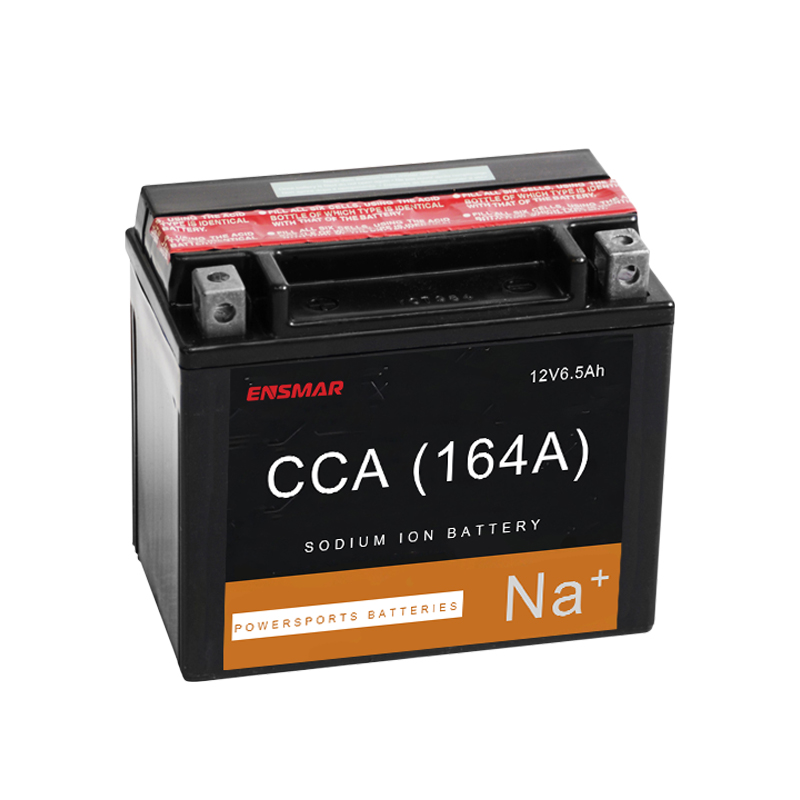
| Model No. | BIO-ETX7 | Voltage | 12V |
| Capacity | 6.5Ah | CCA | 164A |
| Self Discharge | < 3% per month | Lifespan | 3000 cycles |
| Start-stop Cycles | > 100K times | Ingress Protection | IP65 |
| Working Temp. | -40 ~ 70℃ | Dimension (±2mm) | 88 × 152 × 131 mm |
| Weight | 2.25 KG | - | - |
Tips About Sodium Battery
General Analysis of the Aftermarket for Powersports Batteries
The aftermarket for powersport batteries is a thriving and dynamic segment of the automotive industry, driven by the growing popularity of recreational vehicles such as motorcycles, ATVs, UTVs, snowmobiles, and personal watercraft. Powersport batteries are essential for these vehicles' reliable operation, and the aftermarket provides a wide range of replacement options to cater to different consumer needs.
Key Drivers of Growth
One of the primary drivers of growth in the powersport battery aftermarket is the expanding base of powersport vehicle users. The increasing popularity of off-road adventure sports, recreational riding, and outdoor activities fuels demand for vehicles like ATVs and UTVs, which in turn drives the need for replacement batteries. As powersport vehicles tend to experience more wear and tear due to rough terrain and varying weather conditions, batteries often need replacement more frequently than in standard automotive applications.
Another significant factor is the seasonal nature of many powersport vehicles. Snowmobiles, personal watercraft, and ATVs are often used during specific seasons, meaning batteries may degrade faster due to extended periods of inactivity. This leads to an increased demand for battery replacements, especially at the start of seasons when riders prepare their vehicles for use.
Types of Batteries
The aftermarket for powersport batteries is characterized by a variety of battery types, each offering different advantages based on the specific application:
These remain the most common type in the aftermarket due to their affordability and wide availability. They are ideal for older vehicle models or budget-conscious consumers. However, they require more maintenance and are less durable than newer alternatives.
Increasingly popular, lithium-ion batteries are lightweight, offer superior performance in cold weather, and have a longer lifespan. Their higher cost is often offset by their durability and low maintenance, making them a growing choice for powersport enthusiasts.
Sodium is widely available, making sodium-ion batteries cheaper to produce compared to lithium-ion options. As demand rises for batteries in powersports applications like motorcycle batteries and lawn tractor batteries, sodium's abundance reduces material costs, making this technology a cost-effective alternative. What’s more, their extreme safety and excellent performance in cold temperature also impress users deeply. After all, working normally at -40℃, no batteries except sodium ion batteries could make.
Challenges and Market Dynamics
The powersport battery aftermarket faces certain challenges, including price competition and the need for high performance in extreme conditions. Consumers expect reliable performance in harsh environments, whether in the cold of snowmobile use or the heat of desert ATV rides. As a result, manufacturers are investing heavily in research and development to create batteries that can meet these tough demands while maintaining affordability.
Furthermore, the rise of electric powersport vehicles is also shaping the market. As more electric motorcycles, UTVs, and other vehicles enter the market, the demand for lithium-ion batteries is expected to grow, creating opportunities for innovation and expansion in this segment.
Overall, the aftermarket for powersport batteries is robust and continues to grow, driven by the increasing popularity of recreational vehicles and the need for durable, high-performance batteries. The shift towards advanced technologies like lithium-ion, sodium ion, coupled with the rising demand for electric powersport vehicles, is likely to shape the future of the market, offering significant opportunities for manufacturers and distributors.