


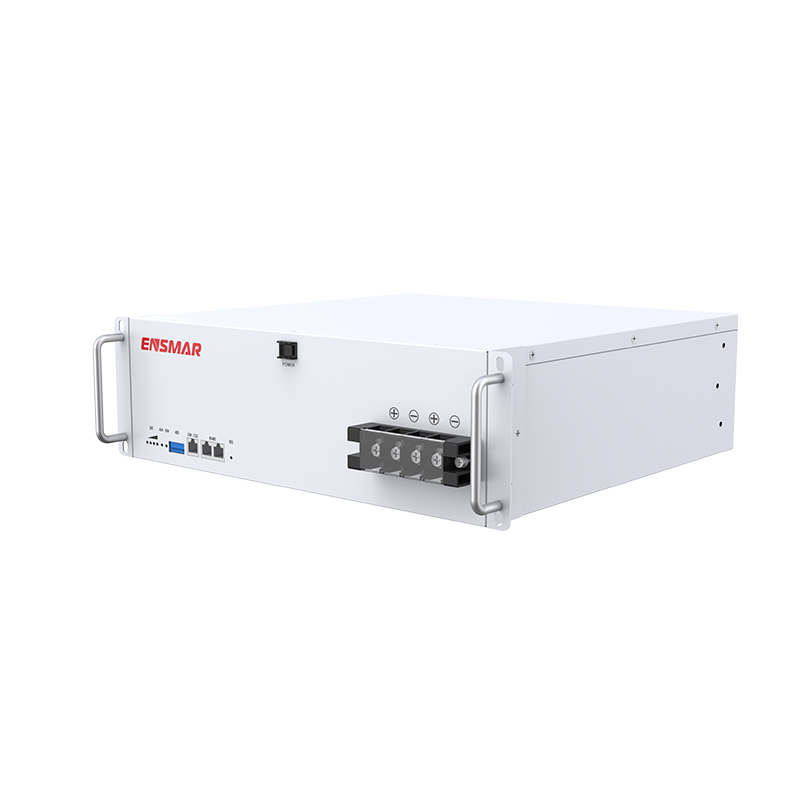
China Suppliers Factory Rack Mount LiFePO4 Lithium Battery 48V 50Ah to 300Ah for Energy Storage Solutions
Product Introduction
Self-designed BMS, every battery module is equipped with a standalone one.
Top brand Grade A LiFePO4 battery cells, prismatic, top class safety.
Compatible with multi-brand storage inverters.
Powerful parallel capacity, up to 16 parallels.
Long cycle life energy storage battery (6000 times).
Han's Laser automated PACK production line, stable and reliable production quality.
Flexible installation, supporting rack-mounted, stackable, wall-mounted. Time and cost saving.
Certification of IEC62619, UN38.3, CEC approved etc.
Technical Description
| MODEL | Crius 4850 | Crius 48100 | Crius 48150 | Crius 48200 | Crius 48280 | Crius 48300 |
| Battery Type | LiFePO4 (lithium iron phosphate battery) | |||||
| Nominal Capacity | 50Ah | 100Ah | 150Ah | 200Ah | 280Ah | 300Ah |
| Nominal Voltage | 51.2V | |||||
| Total Energy | 2560Wh | 5120Wh | 7680Wh | 10240Wh | 14336Wh | 15360Wh |
| Charge Cut-off Voltage | 57.6V | |||||
| Discharge Cut-off Voltage | 40V | |||||
| Charge Current | 50A max | 100A max | 150A max | 200A max | 150A max | 150A max |
| Discharge Current | 50A max | 100A max | 150A max | 200A max | 150A max | 150A max |
| Communication Mode | RS485, CAN | |||||
| Ingress Protection | IP20 | |||||
| Scalability | max 16pcs in parallel | |||||
| Lifespan (80% DOD) | ≥6000 cycles, 25°C | |||||
| Compatible Inverters | Goodwe, Victron, SMA, Kosta, Fronius, Solis, Growatt, Sofar, Deye, Solar Ark, Outback, Voltronic, Pylontech optional, more brands will be announced | |||||
| Working Environment | -20°C–60°C, < 95% RH | |||||
| Storage Environment | -20°C–50°C, < 95% RH | |||||
| Operating Altitude | <2000m | |||||
| Design Life | 15 years | |||||
| Warranty Period | 5 years, 10 years optional | |||||
How to connect a PV (photovoltaic) inverter and lithium batteries?
Check Compatibility
Ensure that the PV inverter is compatible with the lithium battery system. Some inverters are designed specifically to work with certain battery technologies, and both devices should support the same voltage range and communication protocol.
Install the PV Inverter
Mount the PV inverter near the main distribution board or breaker panel. Ensure it's properly installed in a location with good ventilation to avoid overheating. Wire the inverter to the solar panels according to the manufacturer's instructions. This usually involves connecting the positive and negative cables from the solar panels to the corresponding input terminals on the inverter.
Battery Connection
Lithium batteries typically have a Battery Management System (BMS) for protection. First, install the battery according to its manual. Then, connect the battery to the inverter’s battery input terminals. Ensure proper polarity: positive (red) to positive, and negative (black) to negative.
Inverter-Battery Communication
For optimal performance, many lithium battery systems communicate with the inverter using a communication protocol like CANbus or RS485. Connect the communication cable from the battery’s BMS to the inverter’s communication port to enable this data exchange. This allows the inverter to manage charging and discharging more efficiently.
System Commissioning
Once everything is connected, power on the system. Check all connections and ensure there are no error codes on the inverter display. Configure the system settings, ensuring the battery charge and discharge limits are set correctly.
Safety Measures
Always follow local regulations, use appropriate fuses or breakers, and consider having the system checked by a certified professional.
Example Steps for RS485 Communication
- Battery: Set the RS485 baud rate, device address, and other parameters via the battery’s display or BMS software.
- Inverter: Enter the inverter’s settings menu and set the corresponding RS485 parameters to match the battery.
Example Steps for CAN Bus Communication
- Battery: Configure the CAN Bus settings via the BMS software or display.
- Inverter: Enter the inverter’s settings and set the corresponding CAN Bus parameters.
Additional Tips
Following these steps will help you establish efficient communication between your lithium battery and solar inverter, ensuring optimal energy management and system performance.
Frequently Asked Questions
Which inverter brands are compatible with Crius lithium batteries?
Crius lithium batteries support a broad range of major storage inverter brands, including Goodwe, Victron, SMA, Kosta, Fronius, Solis, Growatt, Sofar, Deye, Solar Ark, Outback, Voltronic, and Pylontech optional configurations, with more brands continuously added.
How many Crius battery units can be connected in parallel?
The system features powerful parallel scalability, allowing you to connect up to 16 battery modules in parallel to expand your total storage capacity as energy demands grow.
What is the cycle life and expected design life of the Crius battery?
Crius batteries use top brand Grade A prismatic LiFePO4 cells offering ≥6,000 cycles at 80% Depth of Discharge (DOD) at 25°C, providing a design service life of up to 15 years.
What communication protocols are supported between the battery and inverter?
Every module is equipped with an independent BMS that supports both RS485 and CAN bus communication protocols for real-time monitoring and charging optimization.
What installation methods are supported for this battery system?
The battery is designed for flexible deployment and supports rack-mounted, stackable, and wall-mounted installations, saving both time and installation costs.
What safety certifications does the battery hold?
Crius battery systems are fully certified with international safety standards including IEC62619, UN38.3, and are CEC approved.