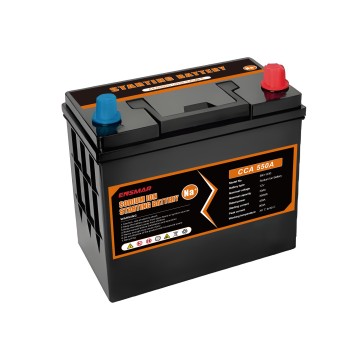
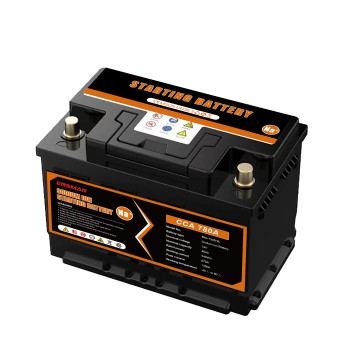
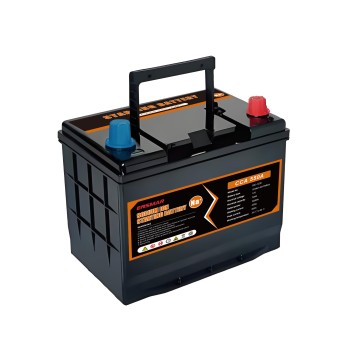
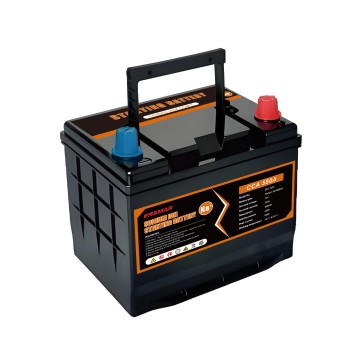
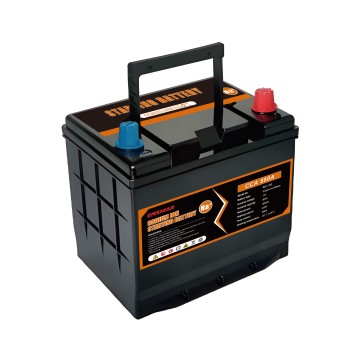
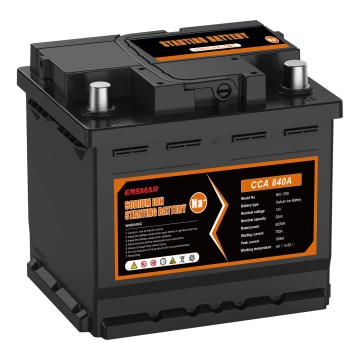
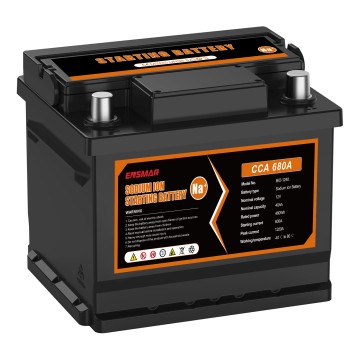
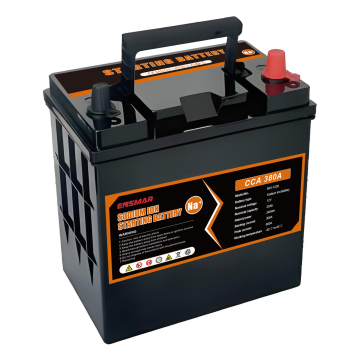
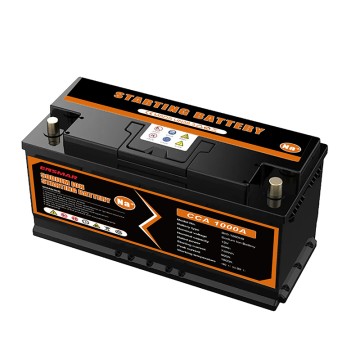
China Suppliers Factory Natrium Vehicle Batteries 12V 1000A CCA 60Ah for Engine Cranking - Long Lifespan Sodium Ion Technology
Introducing the ENSMAR BIO-series, a revolutionary line of stop-start batteries developed from advanced sodium ion technology. Manufactured in China, these batteries are designed to deliver an extra-long lifespan and exceptional performance, even in low temperatures. With outstanding safety features, minimal self-discharge rates, and an environmentally friendly composition, the ENSMAR BIO-series has become the top choice among car owners. As a trusted supplier, we take pride in our factory's commitment to quality and innovation, making us the go-to option for those seeking reliable battery solutions. Choose ENSMAR for superior performance and sustainability
Excellent low-temperature performance, capable of operating normally even at -40°C
Extra-long lifespan, with up to 3,000 cycles and at least 100,000 start-stop cycles
Fast charge and discharge capabilities
Good stability and high safety
Environmentally friendly, with a smaller ecological footprint compared to lithium batteries
Technical Description
Model No.:
BIO-1260H9
Nominal Voltage:
12V
Nominal Capacity:
60Ah
Rate Power:
720Wh
Lifespan:
3000 cycles
CCA:
1000A
Self Discharge:
< 3% per month
Starting Current:
900A
Peak Current:
1800A
Ingress Protection:
IP65
Working Temp.:
-40 ~ 80℃
Dimension:
398x176x188mm
Weight:
Appr. 11.8KG
Tips About Sodium Battery
Major Brands and Market Size of Automotive Starting Batteries
Automotive starting batteries are a critical component of modern vehicles, powering the engine cranking system and supporting various electrical functions. As the automotive industry evolves, the market for starting batteries has seen significant growth. This article highlights the major brands in the automotive starting battery market and provides an overview of its size and trends.
Major Brands
1. Varta
A leading player in the battery market, Varta specializes in advanced lead-acid and AGM batteries. Known for their high quality and performance, Varta batteries are widely used in European vehicles and are praised for their innovative features.
2. Exide Technologies
A well-established name in the battery industry, Exide offers a wide range of lead-acid and AGM batteries. They are known for their durability and performance, catering to both conventional and high-demand vehicles.
3. Bosch
Renowned for its automotive components, Bosch manufactures a variety of batteries, including AGM and lithium-ion options. Their batteries are recognized for their reliability and advanced technology, often used in premium vehicles.
4. Odyssey
A brand of EnerSys, Odyssey batteries are known for their high performance and long service life. They specialize in AGM technology, offering batteries designed for extreme conditions and heavy-duty applications.
5. ACDelco
A subsidiary of General Motors, ACDelco provides a comprehensive range of batteries, including lead-acid and AGM types. Their products are often used in GM vehicles and are praised for their quality and reliability.
6. Yuasa
A leading manufacturer of batteries for various applications, Yuasa is well-known for its motorcycle and automotive batteries. Their products are favored for their robust construction and performance.
7. NorthStar
This brand specializes in AGM batteries, particularly for high-performance and deep-cycle applications. NorthStar batteries are recognized for their exceptional power and durability.
Market Size and Trends
The global automotive starting battery market has experienced steady growth over the past few years. As of 2023, the market is valued at approximately USD 25 billion, with projections indicating it could reach around USD 40 billion by 2030. This growth is fueled by several factors, including:
Increased Vehicle Production
The rise in global vehicle production, particularly in emerging markets, has significantly boosted the demand for starting batteries.
Electrification of Vehicles
The shift toward electric and hybrid vehicles has spurred innovation in battery technology, leading to the development of new types of starting batteries, such as lithium-ion and sodium-ion batteries. These technologies are expected to play a crucial role in the future of automotive batteries.
Technological Advancements
Ongoing research and development are enhancing battery performance, safety, and efficiency. Innovations like AGM and advanced lead-acid batteries are gaining popularity, particularly in vehicles with high electrical demands.
Environmental Regulations
Increasingly stringent emissions regulations are prompting manufacturers to adopt more efficient battery solutions. This shift is driving investment in advanced battery technologies that reduce environmental impact.
The automotive starting battery market is characterized by a diverse array of brands and a dynamic competitive landscape. With major players like Exide, Bosch, and Odyssey leading the charge, the market is evolving rapidly due to advancements in technology and the growing demand for electric vehicles. As the industry continues to innovate, the future of automotive starting batteries promises to be exciting and impactful, addressing the needs of modern vehicles while aligning with sustainability goals.
Frequently Asked Questions
What is the operating temperature range of the BIO-1260H9 sodium battery?
The BIO-1260H9 features excellent low-temperature performance, allowing it to operate normally even at extreme temperatures ranging from -40°C up to 80°C.
How long is the lifespan of this sodium starting battery?
It offers an extra-long lifespan capable of supporting up to 3,000 cycles and at least 100,000 start-stop cycles.
What are the starting and peak current capacities of the BIO-1260H9 model?
The battery has a starting current of 900A, a peak current of 1800A, and a Cold Cranking Amps (CCA) rating of 1000A.
Is the sodium battery environmentally friendly?
Yes, sodium batteries are environmentally friendly and feature a smaller ecological footprint compared to traditional lithium batteries.
What is the self-discharge rate of this battery?
The BIO-1260H9 battery has a very low self-discharge rate of less than 3% per month, ensuring long-term stability.