
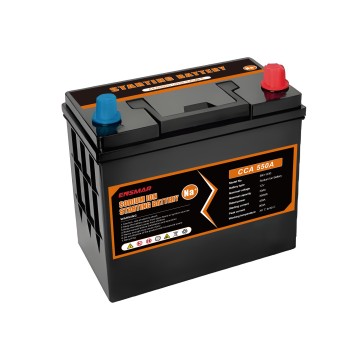
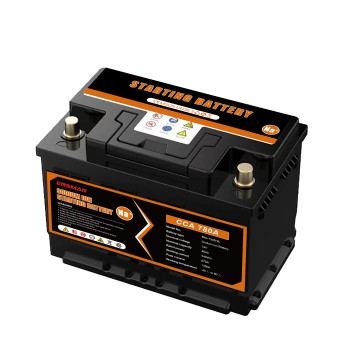
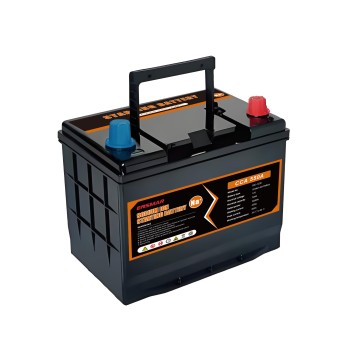
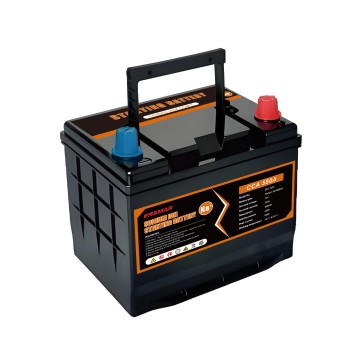
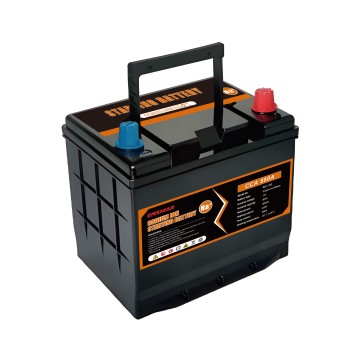
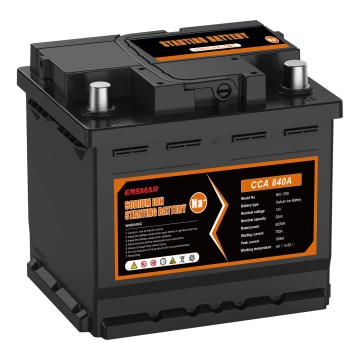
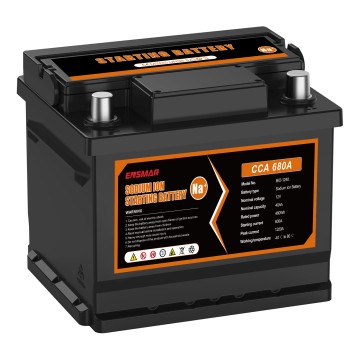
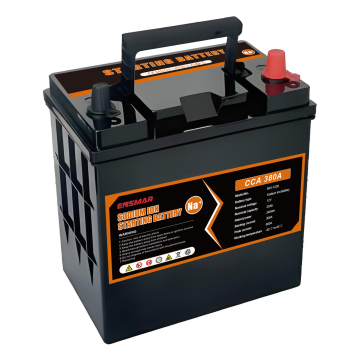
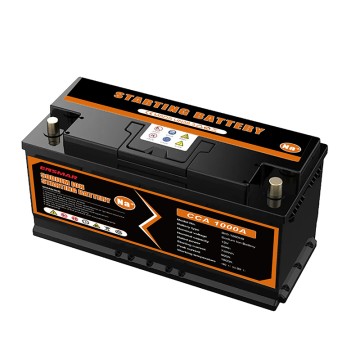

China Suppliers Factory Natrium Ion Automotive Batteries CCA 920A 12V 55Ah H8 - Long-lasting & Eco-friendly Solution
Product Features
Excellent low-temperature performance, capable of operating normally even at -40°C;
Extra-long lifespan, with up to 3,000 cycles and at least 100,000 start-stop cycles;
Fast charge and discharge capabilities;
Good stability and high safety;
Environmentally friendly, with a smaller ecological footprint compared to lithium batteries.
Technical Description
| Model No.: | BIO-1255H8 | ||
| Nominal Voltage: | 12V | Nominal Capacity: | 55Ah |
| Rate Power: | 660Wh | Lifespan: | 3000 cycles |
| CCA: | 920A | Self Discharge: | < 3% per month |
| Starting Current: | 825A | Peak Current: | 1650A |
| Ingress Protection: | IP65 | Working Temp.: | -40 ~ 80℃ |
| Dimension: | 354x176x187mm | Weight: | Appr. 10.9KG |
Tips About Sodium Battery
One of the key drivers behind the rapid development of sodium-ion batteries is the abundance and low cost of sodium compared to lithium. Sodium is the sixth most abundant element on Earth, making it an attractive option for large-scale energy storage. This availability can lead to reduced raw material costs, potentially lowering the overall price of battery systems. As researchers and manufacturers focus on optimizing SIBs, the economic feasibility of these batteries is becoming increasingly appealing.
Recent innovations in materials science have significantly improved the performance of sodium-ion batteries. Researchers are developing advanced anode and cathode materials that enhance energy density, cycle life, and charge/discharge rates. For instance, the use of new carbon-based materials and metal oxides has shown promising results in improving the overall efficiency of SIBs. As these technologies mature, they are enabling SIBs to compete more effectively with established lithium-ion batteries.
Sodium-ion batteries are demonstrating impressive performance metrics, particularly in terms of thermal stability and safety. Unlike lithium-ion batteries, which can be prone to thermal runaway, SIBs exhibit better thermal management, making them a safer choice for various applications. Additionally, ongoing research has led to significant improvements in cold-weather performance, with SIBs capable of operating efficiently at lower temperatures.
The growing interest in sodium-ion technology has prompted increased investment from both established battery manufacturers and startups. Major companies are collaborating with research institutions to accelerate the development and commercialization of SIBs. This trend is evidenced by pilot projects and production lines being set up to produce sodium-ion batteries at scale, indicating a strong belief in their future viability.
Sodium-ion batteries are being explored for a variety of applications beyond automotive use. They are suitable for grid energy storage, providing a solution for integrating renewable energy sources like wind and solar. Additionally, their potential for use in consumer electronics and backup power systems is being investigated, broadening the scope of their market reach.