

China Suppliers Factory Hybrid Solar Power System - ENSMAR Hestia-Series All-in-One with Deye Inverter & LiFePO4 Batteries
Product Features
Technical Description
| Model No. | Hestia 1P-0805X | Hestia 3P-0805X | Hestia 3P-1005X | Hestia 3P-1205X | |
|---|---|---|---|---|---|
| PV Input | Max. DC Input Power(W) | 10400W | 10400W | 13000W | 15600W |
| PV Input Voltage(V) | 370V (100V~500V) | 550V (150V~800V) | |||
| MPPT Range(V) | 125~425V | 200V-650V | |||
| Start-up Voltage(V) | 150V | 150V | |||
| PV Input Current(A) | 22A+22A | 13A+13A | 26A+13A | 26A+13A | |
| No. of MPPT Trackers | 2 | 2 | |||
| No. of Strings Per MPPT Tracker | 2+2 | 1+1 | 2+1 | 2+1 | |
| AC Output | Rated AC Output and UPS Power(W) | 8000 | 8000 | 10000 | 12000 |
| Max. AC Output Power(W) | 8800 | 8800 | 11000 | 13200 | |
| Peak Power(off grid) | 2 times of rated power, 10S | ||||
| AC Output Rated Current(A) | 33.4A / 35A | 12A | 15A | 18A | |
| Max. AC Current(A) | 36.7A / 38.5A | 18A | 23A | 27A | |
| Max. Continuous AC Passthrough (A) | 50A | ||||
| Power Factor | 0.8 leading to 0.8 lagging | ||||
| Output Frequency and Voltage | 50 / 60Hz; 120 / 240Vac (split phase), 208Vac (2 / 3 phase), 230Vac (single phase) | 50/60Hz; 230/400Vac (Three phase) | |||
| Grid Type | Split phase; 2 / 3 phase; Single Phase | Three Phase | |||
| Current Harmonic Distortion | THD<3% (Linear load<1.5%) | ||||
| Battery | Battery Type | Lithium Ion Phosphate | |||
| Energy | 5.12KWh | ||||
| Nominal Voltage | 51.2V | ||||
| Working Voltage Range | 44.8~57.6 | ||||
| Scalability | 4pcs | ||||
| Life Span | 6000 cycles | ||||
| Efficiency | Max. Efficiency | 97.60% | |||
| Euro Efficiency | 97.00% | ||||
| MPPT Efficiency | 99.90% | ||||
| Protection | PV Arc Fault Detection | Integrated | |||
| PV Input Lightning Protection | Integrated | ||||
| Anti-islanding Protection | Integrated | ||||
| PV String Input Reverse Polarity Protection | Integrated | ||||
| Insulation Resistor Detection | Integrated | ||||
| Residual Current Monitoring Unit | Integrated | ||||
| Output Over Current Protection | Integrated | ||||
| Output Shorted Protection | Integrated | ||||
| Surge Protection | DC Type II / AC Type II | ||||
| Standard Compliance | Grid Regulation | UL1741, IEEE1547, RULE21, VDE 0126, AS4777, NRS2017, G98, G99, IEC61683, IEC62116, IEC61727 | |||
| Safety Regulation | IEC62109-1, IEC62109-2 | ||||
| EMC | EN61000-6-1, EN61000-6-3, FCC 15 class B | ||||
| Battery Cert. | IEC62619, IEC60730, EMC, CEC | ||||
| General | Operating Temperature Range(℃) | -25~60 ℃ , >45 ℃ Derating | |||
| Cooling | Smart cooling | ||||
| Noise(dB) | <30 dB | ||||
| Communication with BMS | RS485; CAN | ||||
| Inverter Weight(kg) | 32 | 36.8 | |||
| Inverter Size(mm) | 420W×670H×233D | 422W×658H×281D | |||
| Battery Weight(kg) | 45 | ||||
| Battery Size(mm) | 420W×323H×233D | 422W×323H×281D | |||
| Installation Style | Wall-mounted | ||||
| Warranty | 5 years | ||||
Tips About Lithium Battery
How To Ship Lithium Ion Battery?
Shipping lithium-ion batteries involves several steps to ensure compliance with international and domestic regulations and to ensure safety. Here's a detailed procedure:
Classification
- UN3480: Lithium-ion batteries.
- UN3481: Lithium-ion batteries contained in equipment or packed with equipment.
Regulatory Compliance
- IATA DGR for air transport.
- IMDG Code for sea transport.
- DOT HMR for transport within the United States.
- UN Model Regulations for general guidelines.
Packaging
- Individual Packaging: Each battery must be placed in individual inner packaging to prevent contact with other batteries or conductive materials.
- Insulation: Use non-conductive materials to insulate battery terminals.
- Strong and Durable: Use sturdy outer packaging that can withstand transportation hazards.
- Cushioning Material: Ensure the batteries are cushioned to prevent movement within the outer packaging.
Labeling and Marking
- Lithium Battery Handling Label: Indicates that the package contains lithium batteries and must be handled with care.
- Class 9 Hazard Label: For packages containing significant quantities of batteries or when required by regulations.
- UN Number: Clearly mark the package with the appropriate UN number (UN3480 or UN3481).
- Proper Shipping Name: Include the proper shipping name next to the UN number.
Documentation
- Content: Must include details about the contents, hazards, and handling instructions.
- Format: Ensure the declaration is completed according to regulatory requirements.
- Detailed List: Include a list of the items being shipped, including the type and quantity of lithium-ion batteries.
- Contact Information: Provide emergency contact information and instructions on how to handle emergencies involving the batteries.
- Including MSDS, UN38.3, transportation declaration etc.
Carrier Requirements
- Carrier Policies: Verify the carrier’s specific policies and additional requirements for shipping lithium-ion batteries (e.g., FedEx, UPS, DHL).
- Certification: Ensure that all personnel involved in the shipment are trained and certified in handling and shipping dangerous goods.
Preparing the Shipment
- SoC Limit: For air transport, ensure the batteries are at or below the 30% state of charge if required by regulations.
- Package Weight: Ensure the weight of the package complies with regulatory limits and carrier policies.
Final Inspection
- Inspect Packaging: Ensure all packaging, labeling, and documentation are correct and comply with regulations.
- Secure Packaging: Double-check that all packages are securely closed and ready for transport.
Shipping
- Handover: Provide the shipment to the carrier along with all required documentation.
- Tracking: Use tracking services to monitor the shipment and ensure it reaches its destination safely.
Post-Shipment
- Documentation Retention: Keep copies of all shipping documents for record-keeping and compliance purposes.
- Follow-up: Ensure the recipient inspects the shipment upon arrival and reports any issues.
Frequently Asked Questions (FAQ)
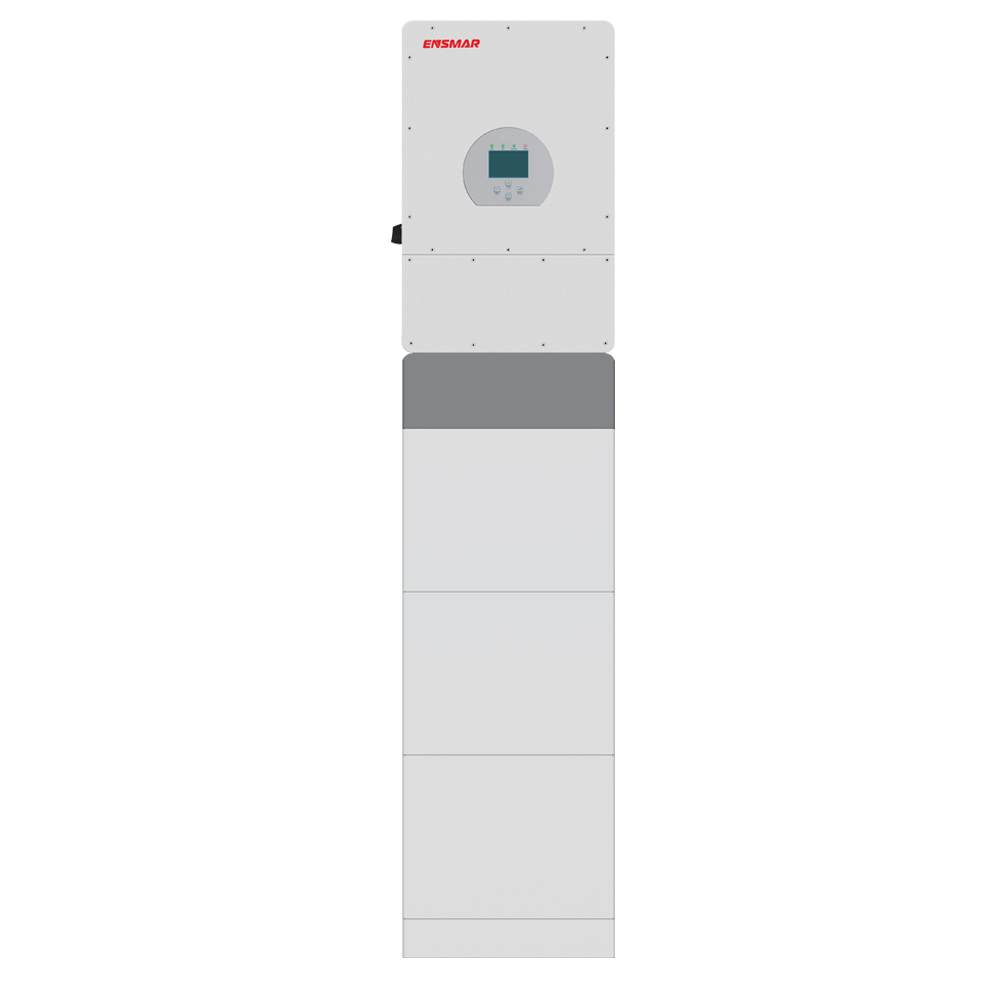
The all-in-one system seamlessly integrates the hybrid inverter and battery into a single stackable unit. This significantly simplifies installation, saves space, and allows modular expansion of up to 4 battery units.
The system uses top-tier Grade A LiFePO4 (Lithium Iron Phosphate) prismatic battery cells, offering a long cycle life of over 6,000 cycles with independent BMS protection on every battery module.
Yes. The Hestia 1P model supports Split phase, 2/3 phase, and Single Phase systems, while the Hestia 3P series supports standard Three Phase systems (230/400Vac).
The inverter is certified for UL1741, IEEE1547, RULE21, VDE 0126, AS4777, IEC62109-1/2, and more. The battery modules carry IEC62619, UN38.3, CEC approval, and EMC compliance certifications.
According to international air transportation regulations (IATA DGR), lithium-ion batteries must be at or below a 30% State of Charge (SoC) for safe air shipment.
The system includes a 5-year standard warranty and operates reliably in temperatures ranging from -25°C to 60°C (with derating above 45°C) featuring intelligent cooling and low noise (<30 dB).