

Hot Products
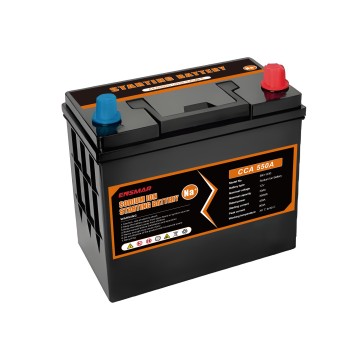
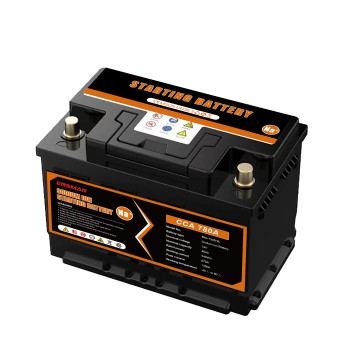
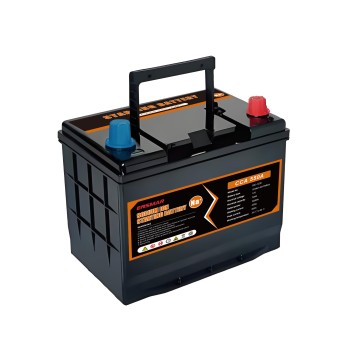
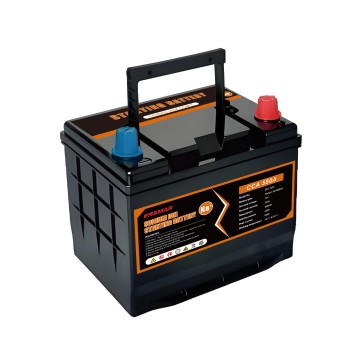
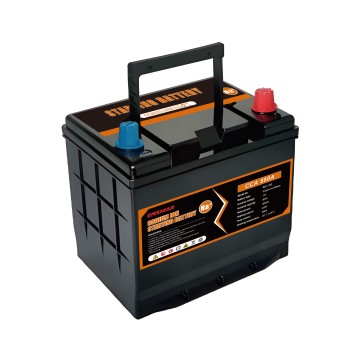
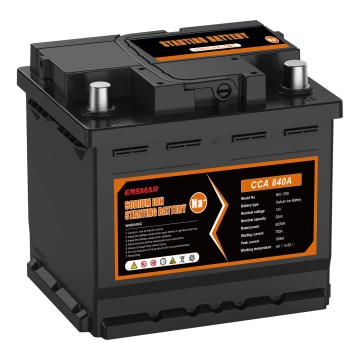
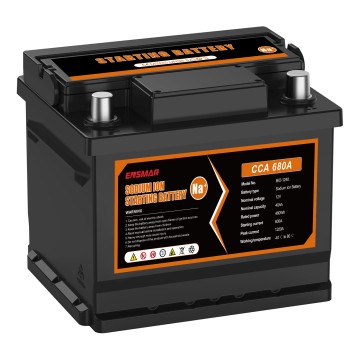
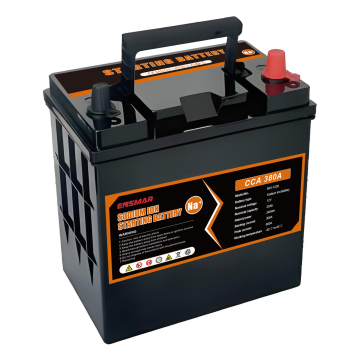
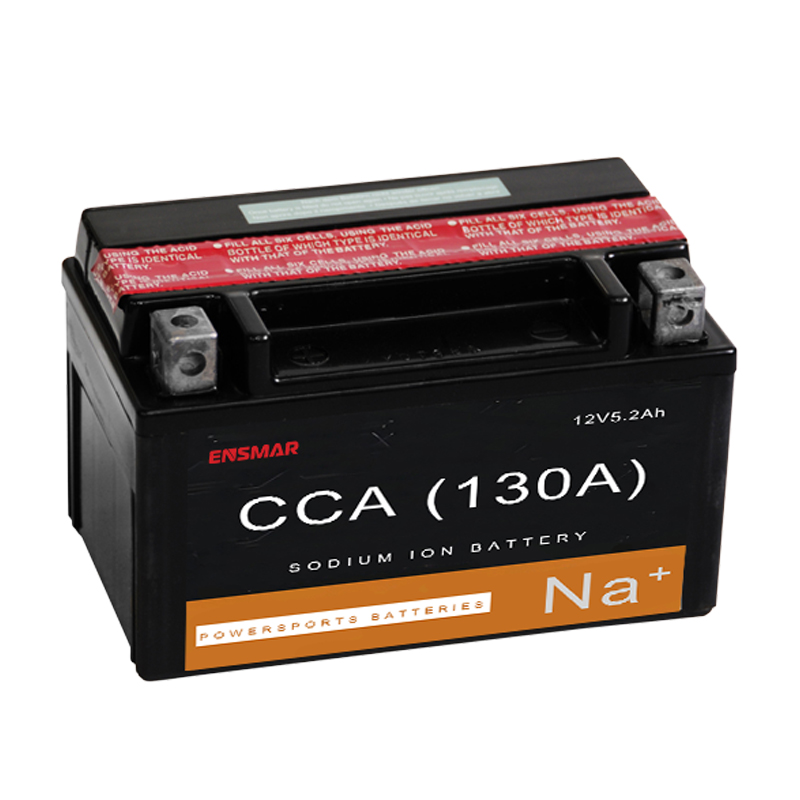


China Suppliers Factory: High-Performance Sodium Powersports Batteries BIO-ETX5 for Motorcycles and ATVs
Product Features
Excellent low-temperature performance, capable of operating normally even at -40°C
Extra-long lifespan, with up to 3,000 cycles and at least 100,000 start-stop cycles
Fast charge and discharge capabilities
Good stability and high safety
Environmentally friendly, with a smaller ecological footprint compared to lithium batteries
Technical Description
| Model No. | BIO-ETX5 | Voltage | 12V |
| Capacity | 5.2Ah | CCA | 130A |
| Self Discharge | < 3% per month | Lifespan | 3000 cycles |
| Start-stop Cycles | >100K times | Ingress Protection | IP65 |
| Working Temp. | -40 ~ 70℃ | Dimension | 88×151×94 mm |
| Weight | 1.11KG | Status | Available |
Tips About Sodium Battery
How to choose Snowmobile Batteries?
When choosing a snowmobile battery, it's essential to consider several factors to ensure optimal performance in cold conditions. Snowmobiles require batteries that can handle extreme weather, have long-lasting power, and are durable enough for rough terrain. Here’s a guide to help you choose the best snowmobile battery:
1. Battery Type
There are main types of batteries commonly used in snowmobiles:
Lead-Acid Batteries: Traditional batteries that are affordable and reliable. However, they require regular maintenance and may not perform as well in extremely cold temperatures.
Lithium-Ion Batteries: Newer options offering several advantages including lighter weight, faster charging, and longer lifespan. Lithium-ion batteries perform better in cold conditions, making them a popular choice for snowmobilers.
Sodium-Ion Batteries: Advanced technology batteries that impress users deeply with extreme safety and excellent performance in cold temperatures. They even work normally at -40℃, making them the best choice.
2. Cold Cranking Amps (CCA)
The most critical feature for snowmobile batteries is the Cold Cranking Amps (CCA) rating, which indicates how well a battery can start in cold weather. The higher the CCA, the better the battery can start the engine in freezing conditions. Snowmobiles require batteries with a high CCA rating due to the demands of winter riding.
3. Size and Fit
Ensure that the battery you choose fits your snowmobile’s battery compartment. Batteries come in different sizes and configurations, so it's important to check your snowmobile’s manual or measure the existing battery to ensure a proper fit.
4. Durability and Vibration Resistance
Snowmobiles operate on rough terrain, which can expose batteries to significant vibrations. Choose a battery designed for heavy-duty use with good vibration resistance. Some batteries have enhanced casing designs to withstand the shocks and bumps of snowmobile riding.
5. Maintenance Requirements
Some batteries are maintenance-free, while others, such as traditional lead-acid types, may require topping up with water occasionally. If you prefer a low-maintenance option, sealed AGM (Absorbed Glass Mat) or lithium-ion/sodium-ion batteries are better choices, as they require no maintenance.
6. Battery Life
The lifespan of the battery is another key factor. Newer advanced batteries tend to have a longer life compared to lead-acid batteries. If you use your snowmobile frequently or for long trips, investing in a long-lasting battery may save you money in the long run.
7. Brand and Warranty
Opt for a reliable brand with a good warranty. Leading brands like Yuasa, Odyssey, and Shorai are known for manufacturing high-quality snowmobile batteries. A good warranty ensures peace of mind and coverage in case of any issues.
By considering these factors, you can choose a snowmobile battery that suits your needs, provides reliable performance in harsh winter conditions, and lasts for several seasons. For a more visual guide, it's helpful to look for comparison charts or images of different battery types, sizes, and configurations available for snowmobiles.
Frequently Asked Questions
Why are sodium-ion batteries superior for snowmobiles in sub-zero weather?
Sodium-ion batteries feature outstanding low-temperature tolerance, operating normally even at -40°C where conventional lead-acid and lithium batteries often suffer severe power loss or failure.
What is the service life and cycle rating of the BIO-ETX5 battery?
The BIO-ETX5 delivers up to 3,000 standard charge/discharge cycles and at least 100,000 start-stop cycles, offering exceptional durability and reducing long-term replacement costs.
What Cold Cranking Amps (CCA) does this battery provide?
The BIO-ETX5 features a 130A CCA rating, providing prompt, reliable engine starting power under freezing winter conditions.
How does the environmental footprint of sodium-ion compare to lithium?
Sodium-ion batteries utilize abundant sodium resources and contain fewer scarce heavy metals, resulting in a substantially smaller ecological footprint and higher thermal stability compared to lithium batteries.
Does the BIO-ETX5 snowmobile battery require regular maintenance?
No, the battery is completely maintenance-free. It features an IP65 ingress protection rating and a low monthly self-discharge rate of less than 3%, keeping it ready for seasonal use.
What is the operational temperature range for this battery?
The battery is engineered for extreme climate stability with an operational working temperature range spanning from -40°C up to 70°C.