

Hot Products
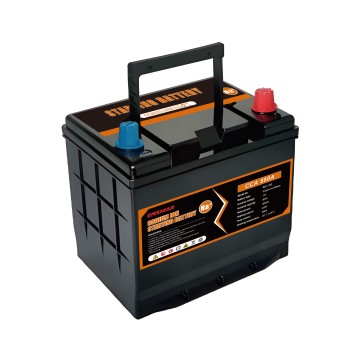
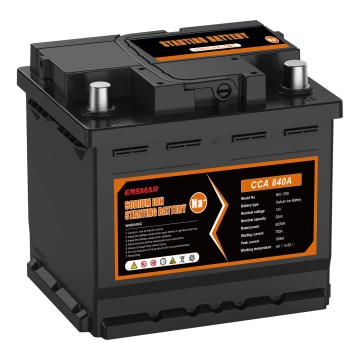
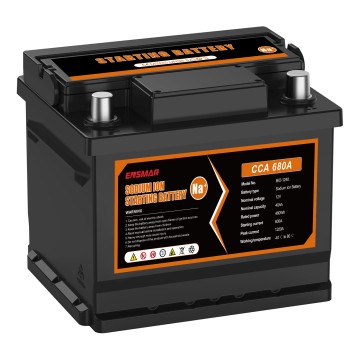
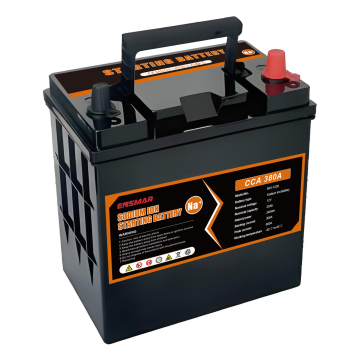
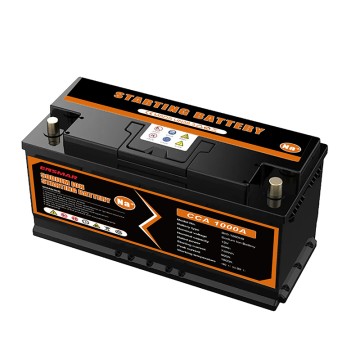

China Suppliers Factory EnsMar Coeus 48V Floor Standing LiFePO4 Lithium Battery for Home Energy Storage
Product Features
Self-designed BMS, every battery module is equipped with a standalone one
Top brand Grade A LiFePO4 battery cells, prismatic, top class safety
Compatible with multi-brand storage inverters
Powerful parallel capacity, up to 16 parallels
Long cycle life energy storage battery (6000 times)
Moveable among various rooms, gardens, balconies, and courtyards, and supply power to devices nearby
Certification of IEC62619, UN38.3, CEC approved etc.
Technical Description
| MODEL | Coeus 48100 | Coeus 48150 | Coeus 48200 | Coeus 48280 | Coeus 48300 |
| Battery Type | LiFePO4 (lithium iron phosphate battery) | ||||
| Nominal Capacity | 100Ah | 150Ah | 200Ah | 280Ah | 300Ah |
| Nominal Voltage | 51.2V | ||||
| Total Energy | 5120Wh | 7680Wh | 10240Wh | 14336Wh | 15360Wh |
| Charge Cut-off Voltage | 57.6V | ||||
| Discharge Cut-off Voltage | 40V | ||||
| Charge Current | 100A max | 150A max | 200A max | 150A max | 150A max |
| Discharge Current | 100A max | 150A max | 200A max | 150A max | 150A max |
| Communication Mode | RS485, CAN | ||||
| Ingress Protection | IP20 | ||||
| Scalability | max 16pcs in parallel | ||||
| Lifespan (80% DOD) | ≥6000 cycles, 25°C | ||||
| Compatible Inverters | Goodwe, Victron, SMA, Kosta, Fronius, Solis, Growatt, Sofar, Deye, Solar Ark, Outtback, Voltronic, Pylontech optional, more brands will be announced | ||||
| Working Environment | -20°C - 60°C, < 95% RH | ||||
| Storage Environment | -20°C - 50°C, < 95% RH | ||||
| Operating Altitude | < 2000m | ||||
| Design Life | 15 years | ||||
| Warranty Period | 5 years, 10years optional | ||||
Tips About Lithium Battery
How to deploy energy storage system for our house?
Choosing the right battery for a house inverter involves considering several factors to ensure compatibility, efficiency, and reliability. Here's a step-by-step guide to help you make an informed decision:
Choosing the right battery for a house inverter involves considering several factors to ensure compatibility, efficiency, and reliability. Here's a step-by-step guide to help you make an informed decision:
1 Determine Power Requirements
A. Calculate Load
- List Appliances: Identify all the appliances you plan to run on the inverter.
- Power Consumption: Note the power consumption (in watts) of each appliance.
- Total Load: Sum up the power consumption of all appliances to determine the total load.
B. Inverter Rating
- Check Inverter Capacity: Ensure your inverter can handle the total load. The inverter’s capacity should be slightly higher than the total load to account for any power surges.
2 Battery Capacity
A. Determine Backup Time
- Desired Backup Time: Decide how many hours of backup you need.
B. Calculate Battery Capacity
Formula: Battery Capacity (Ah) = Total Load (W) × Backup Time (hours) / [Inverter Efficiency × Battery Voltage (V)]
-
Example: For a total load of 500W, 5 hours of backup, 90% inverter efficiency, and a 12V battery:
Battery Capacity = (500 × 5) / (0.9 × 12) ≈ 231 Ah
3 Battery Type
A. Lead-Acid Batteries
- Flooded Lead-Acid: Cost-effective, but require regular maintenance and ventilation.
- Sealed Lead-Acid (AGM/Gel): Maintenance-free, more expensive, suitable for indoor use.
B. Lithium-Ion Batteries
- Advantages: Longer lifespan, higher efficiency, maintenance-free, lighter weight.
- Disadvantages: Higher initial cost.
C. LiFePO4 (Lithium Iron Phosphate) Batteries
- Advantages: Excellent thermal stability, long cycle life, high safety, and consistent performance.
- Disadvantages: Higher cost compared to lead-acid batteries.
4 Compatibility
A. Inverter Compatibility
- Voltage: Ensure the battery voltage matches the inverter’s voltage requirements (e.g., 12V, 24V, 48V).
- Capacity: Ensure the inverter can handle the battery’s capacity.
B. Battery Management System (BMS)
- Lithium Batteries: Ensure the battery has a BMS to manage charging, discharging, and cell balancing.
5 Space and Installation
A. Space Availability
- Space Constraints: Ensure you have enough space to install the battery, considering ventilation requirements for lead-acid batteries.
B. Installation Requirements
- Professional Installation: For large or complex systems, consider professional installation to ensure safety and optimal performance.
6 Budget
A. Initial Cost vs. Lifetime Cost
- Initial Cost: Compare the upfront costs of different battery types.
- Lifetime Cost: Consider the total cost over the battery’s lifespan, including maintenance and replacement costs.
7 Brand and Warranty
A. Brand Reputation
- Reputable Brands: Choose batteries from well-known and reputable brands to ensure quality and reliability.
B. Warranty
- Warranty Period: Check the warranty period and what it covers.
8 Environmental Factors
A. Temperature Range
- Operating Temperature: Ensure the battery can operate efficiently within the temperature range of your location.
B. Ventilation
- Ventilation Needs: Lead-acid batteries need proper ventilation to release gases.
Choosing the right battery for your house inverter involves assessing your power requirements, desired backup time, budget, and space constraints. Lead-acid batteries are cost-effective and suitable for basic needs, while lithium-ion and LiFePO4 batteries offer higher efficiency, longer lifespan, and maintenance-free operation at a higher initial cost. Ensure compatibility with your inverter and consider reputable brands with good warranties for reliability and peace of mind.
Frequently Asked Questions
Q1 How many battery modules can be connected in parallel?
The Coeus series features powerful parallel scalability, supporting up to 16 battery units connected in parallel to expand your total storage capacity.
Q2 What is the expected cycle life and design lifespan of these batteries?
Equipped with Grade A LiFePO4 prismatic cells, the system offers ≥6000 cycles at 80% DOD (25°C) and a design life of 15 years.
Q3 Which inverter brands are compatible with this energy storage battery?
It is compatible with major storage inverters including Goodwe, Victron, SMA, Kosta, Fronius, Solis, Growatt, Sofar, Deye, Solar Ark, Outback, Voltronic, with Pylontech communication protocol support.
Q4 What safety certifications do the batteries possess?
The battery series complies with top-tier international safety standards, including IEC62619, UN38.3, and CEC approvals.
Q5 How do I calculate the required battery capacity for my home?
Use the formula: Battery Capacity (Ah) = [Total Load (W) × Backup Time (hours)] / [Inverter Efficiency × Battery Voltage (V)]. For example, a 500W load running for 5 hours at 90% inverter efficiency on a 12V battery system requires approximately 231 Ah.
Q6 What warranty options are available?
The product comes with a standard 5-year warranty, with an optional 10-year warranty available.