
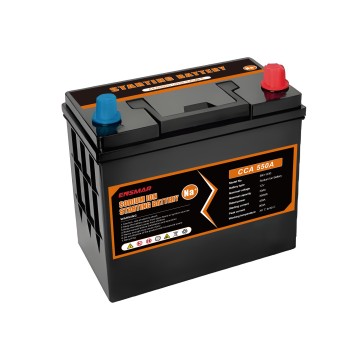
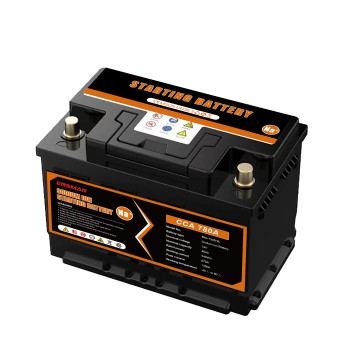
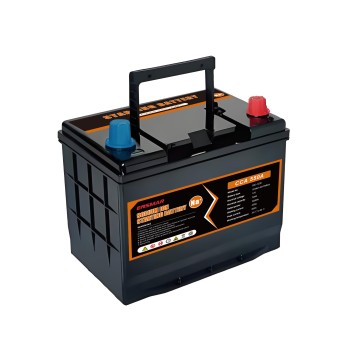
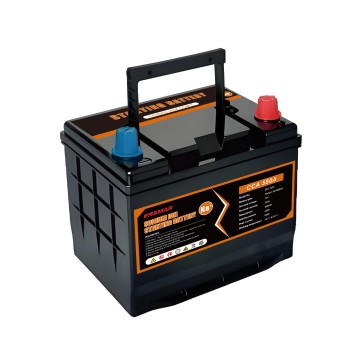
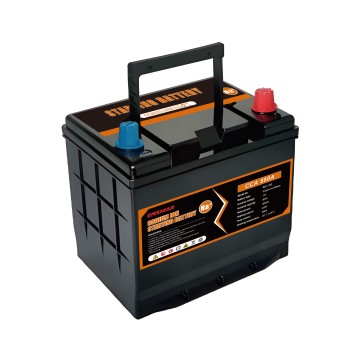
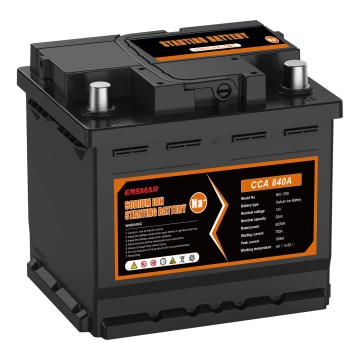
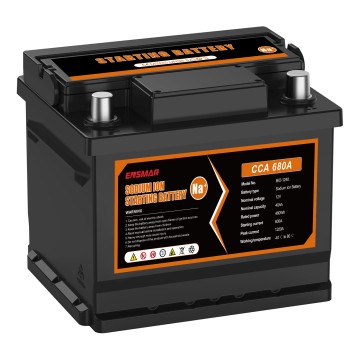

China Sodium Powersports Batteries BIO-ETX3 - Top Suppliers and Factory for Unmatched Performance and Safety
Product Features
Technical Description
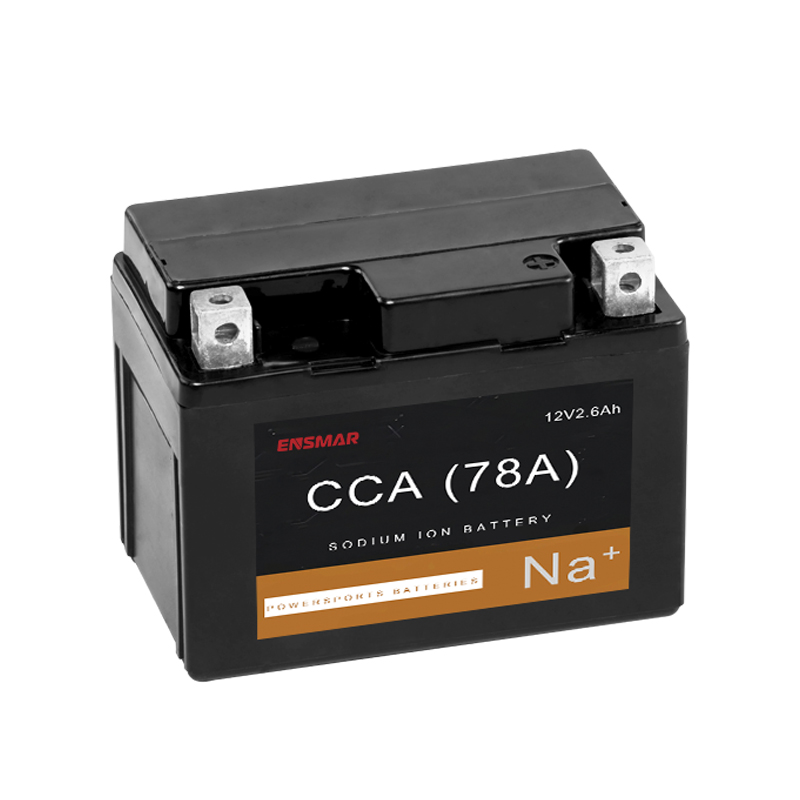
| Model No. | BIO-ETX3 | ||
| Voltage | 12V | Capacity | 2.6Ah |
| CCA | 78A | Self Discharge | < 3% per month |
| Lifespan | 3000 cycles | Start-stop Cycles | > 100K times |
| Ingress Protection | IP65 | Working Temp. | -40 ~ 70℃ |
| Dimension | 70×113×87 mm | Weight | 1.11KG |
Tips About Sodium Battery
Introduction to Sodium-Ion Batteries as a Replacement for Traditional Powersports Batteries
Sodium-ion (Na-ion) batteries are emerging as a promising alternative to traditional batteries used in various powersports vehicles, including motorcycles, lawn mowers, lawn tractors, Jet-Skis, quads, scooters, UTVs, and snowmobiles. These vehicles demand reliable power sources that can handle tough conditions, and sodium-ion technology offers key advantages that may position it as a future solution in the powersports battery market.
Advantages of Sodium-Ion Batteries
Future Outlook for Sodium-Ion Batteries
The future of sodium-ion batteries in powersports applications is bright, though challenges remain. Currently, sodium-ion batteries have a lower energy density than lithium-ion batteries, meaning they hold less energy for their size. This could be a drawback for motorcycle batteries and other compact powersports applications where space is limited. However, researchers are working on improving this aspect of sodium-ion technology.
As sodium-ion battery technology advances, it has the potential to revolutionize the powersports battery market by offering an affordable, sustainable, and safe alternative to traditional options. In the future, Jet-Ski batteries, quad batteries, and UTV batteries powered by sodium-ion technology could provide an optimal balance of cost-efficiency, safety, and performance, supporting the industry's shift toward greener energy solutions.
Sodium-ion batteries offer significant advantages for powersports applications, including cost savings, environmental benefits, and enhanced safety. Though their lower energy density presents a current limitation, ongoing research and development in sodium-ion technology could soon make them a viable option for motorcycle batteries, lawn mower batteries, and other powersports vehicles. With their potential to drive both economic and environmental improvements, sodium-ion batteries could become a leading alternative in the industry.