You know, as more and more people are getting into All-Terrain Vehicles (ATVs) these days, there's definitely a growing need for dependable, high-quality ATV batteries. A recent report from ResearchAndMarkets forecasts that the battery market is gonna grow at a pretty impressive rate of 12.2% annually from 2021 to 2026. And guess what? Lithium-ion batteries are really taking the lead because they’re just so efficient and last a long time. For anyone involved in importing or exporting these batteries, knowing the ins and outs of the necessary certifications is super important to make sure everything’s up to snuff. That’s where Shenzhen Ensmar Technology Co., Ltd. comes in—they're really making waves in this space, focusing on lithium energy storage solutions that fit a ton of different industries, not to mention the booming ATV market. With their cutting-edge energy storage systems, ENSMAR is all about boosting the performance of ATV batteries, meeting the rising expectations from consumers who want both durability and sustainability.
Advantages of After-Sales Service in ATV Battery Certification
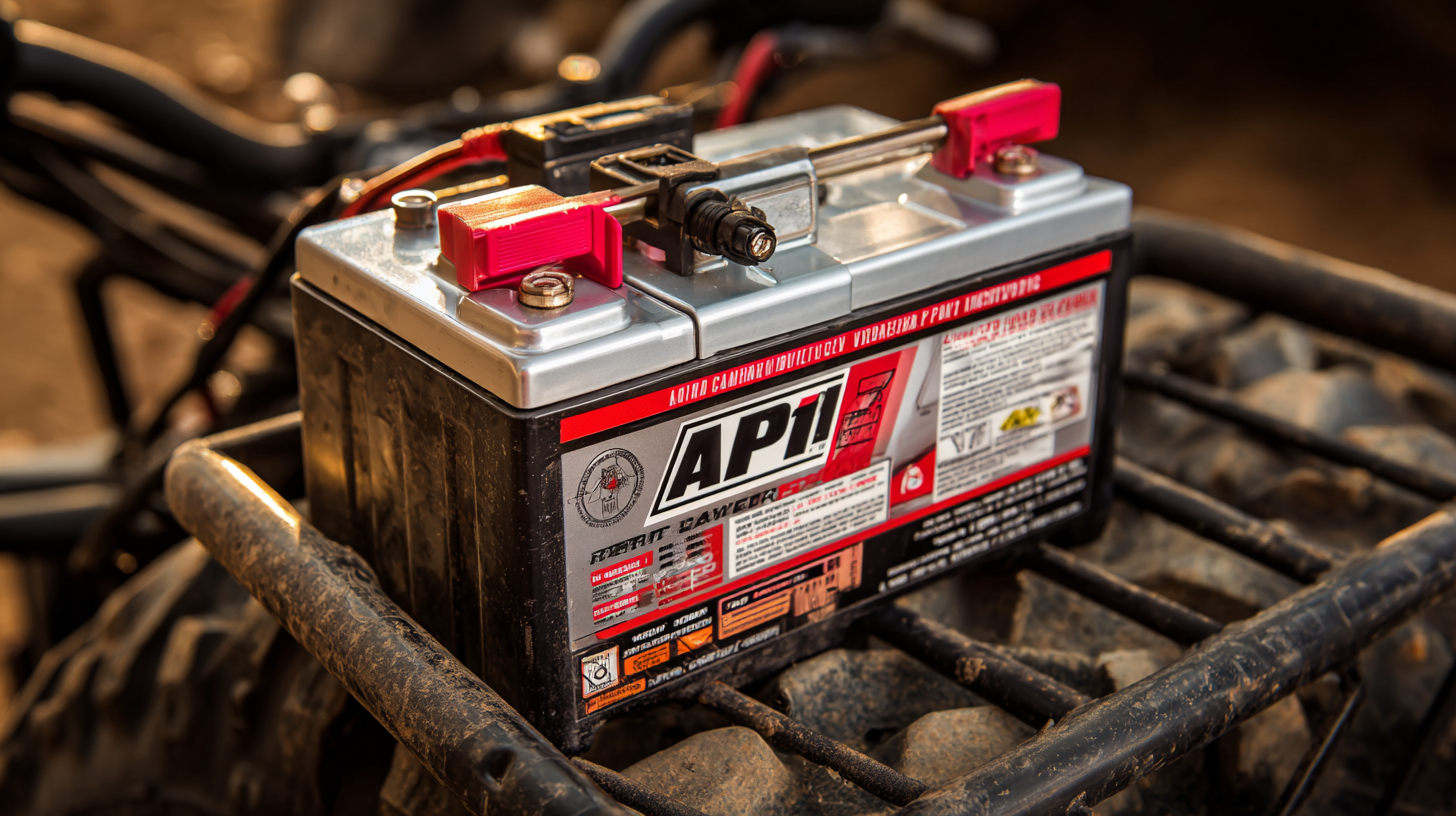 You know, after-sales service is super importantfor keeping customers happy and loyal, especially when it comes to Atv Battery certification. I came across a study from the International Battery Association, and it turns out that over 70% of consumers think after-sales support is a major factor when picking a battery supplier.Pretty eye-opening, right? This really shows how vital it is to have strong support systems in place for global importers and exporters who are looking for certified ATV batteries.
The perks of having a solid after-sales service are pretty clear, from offering tech support to managing warranties. A report from MarketResearchFuture even pointed out that businesses that provide thorough after-sales help can boost their repeat business by as much as 30%. That’s huge! And in the ATV battery world, where environmental conditions can throw a wrench into battery performance, offering timely assistance is key. It not only helps troubleshoot issues but also builds a trustworthy relationship between manufacturers and customers, which can really set you apart in the market.
Plus, having a dedicated after-sales service team can help you stick to those regional certification standards, especially in export markets. A study by GlobalData found that 60% of importers actually favor suppliers who show they care about after-sales service. This usually means better quality and reliability in products. So, for companies in the ATV battery game, it’s really crucial to think beyond just making the sale and focus on building long-lasting relationships with customers through exceptional after-sales support.
Understanding Repair Costs for Certified ATV Batteries
So, let's talk about the costs of repairing ATV batteries. It's super important to grasp the specific certifications and standards that importers and exporters need to keep in mind. You know, with the Off-Road Trails Safety Maintenance Act just passing in Manitoba, it really drives home how vital it is to keep safety standards tight in the ATV scene. With more and more folks getting into recreational vehicles, the need for solid and certified ATV batteries is skyrocketing. Industry reports show that these certified batteries can last up to 30% longer than the non-certified ones, which could save you a bunch on repairs and replacements in the long run.
And there’s also this cool partnership going on between local funding initiatives and well-respected manufacturers. They’ve opened up Authorized Service Centers, which shows just how serious everyone is about quality in service and repairs. From what the industry analytics are saying, certified ATV batteries have an average failure rate of only 5%! That’s way better than the 15% failure rate of those non-certified ones. This really reinforces the idea that putting your money into certified batteries is a smart move—not only does it keep you safer, but it also helps to avoid those pesky repair bills. It's definitely something for importers and exporters to consider as they navigate the sometimes tricky ATV market.
Key Certifications That Enhance Global Trade of ATV Batteries
When it comes to enhancing the global trade of ATV batteries, certifications play a crucial role. A recent report by Research and Markets estimates that the global ATV battery market is set to grow at a CAGR of 5.2% from 2023 to 2031, driven by the increasing popularity of off-road recreational activities. To capitalize on this growth, importers and exporters need to prioritize obtaining the right certifications. Notable certifications such as ISO 9001, which emphasizes quality management systems, and CE marking, indicating compliance with EU safety standards, are essential for ensuring product reliability and gaining market access.
Moreover, battery-specific certifications like UL 1989 for lead-acid batteries and UN 38.3 for lithium batteries ensure safety and environmental compliance. According to the International Energy Agency, the growing demand for electric vehicles, including ATVs, has led to intensified regulatory scrutiny, making these certifications vital for global entrants. Fulfilling regulatory requirements not only boosts consumer confidence but also opens doors to various markets worldwide, illustrating how certifications are key facilitators of trade in the ATV battery sector.
Tips for Importers on Choosing the Right ATV Battery Certifications
Choosing the right certifications for ATV batteries can feel like trying to find your way through a maze — there's just so much to consider! A recent report from Global Market Insights even predicts that the ATV battery market will top $1 billion by 2026. That's a huge deal, right? It really highlights how important it is to comply with those well-known certifications, especially when it comes to product safety and performance.
Certifications like CE, UL, and ISO 9001 do a lot more than just make your batteries look good on paper. They actually build credibility and can sway buyers — both consumers and distributors — to choose your products. And let’s not forget what the experts say: it’s super crucial for importers to look for batteries that meet or even surpass the regulatory standards of the markets they're targeting.
For example, if you’re dealing with lithium-ion batteries (which, by the way, make up over 60% of ATV batteries around the world), then having that UN38.3 certification is a must. It’s all about ensuring safe transportation, folks! By keeping an eye on recognized certifications, importers can not only sidestep some serious liability but also align their products with what’s considered best practice globally. Ultimately, that builds a little bit of trust with customers and helps to expand their market presence. Pretty smart, huh?
Top Rated ATV Battery Certifications
Common Misconceptions About ATV Battery Repair and Maintenance
When it comes to keeping your ATV batteries in good shape, there are definitely some common misunderstandings that can really throw a wrench in their performance and lifespan. For starters, a lot of folks think that just plugging in a charger can fix all battery problems. Sure, recharging is super important, but it’s also a reality check: if you neglect your battery for too long, you might be looking at permanent damage. That's why doing regular check-ups on your batteries can help you catch any wear and tear before it spirals out of control.
So, here are a few handy tips to keep your battery running smoothly: First off, don't forget to check the battery terminals for any corrosion. A little cleaning goes a long way! Next, make sure to store that battery in a cool, dry spot to avoid it overheating. And if you’ve got non-sealed batteries, you’ll want to keep an eye on those electrolyte levels—topping them off with distilled water can really save you in the long run.
By the way, Shenzhen Ensmar Technology Co., Ltd. really gets how important solid energy solutions are. They’re a top player in lithium energy storage and craft some pretty advanced systems suited for all sorts of industries. With a focus on quality battery management, users can seriously prolong the life of their ATV batteries, ensuring they’re always ready for those thrilling outdoor adventures.
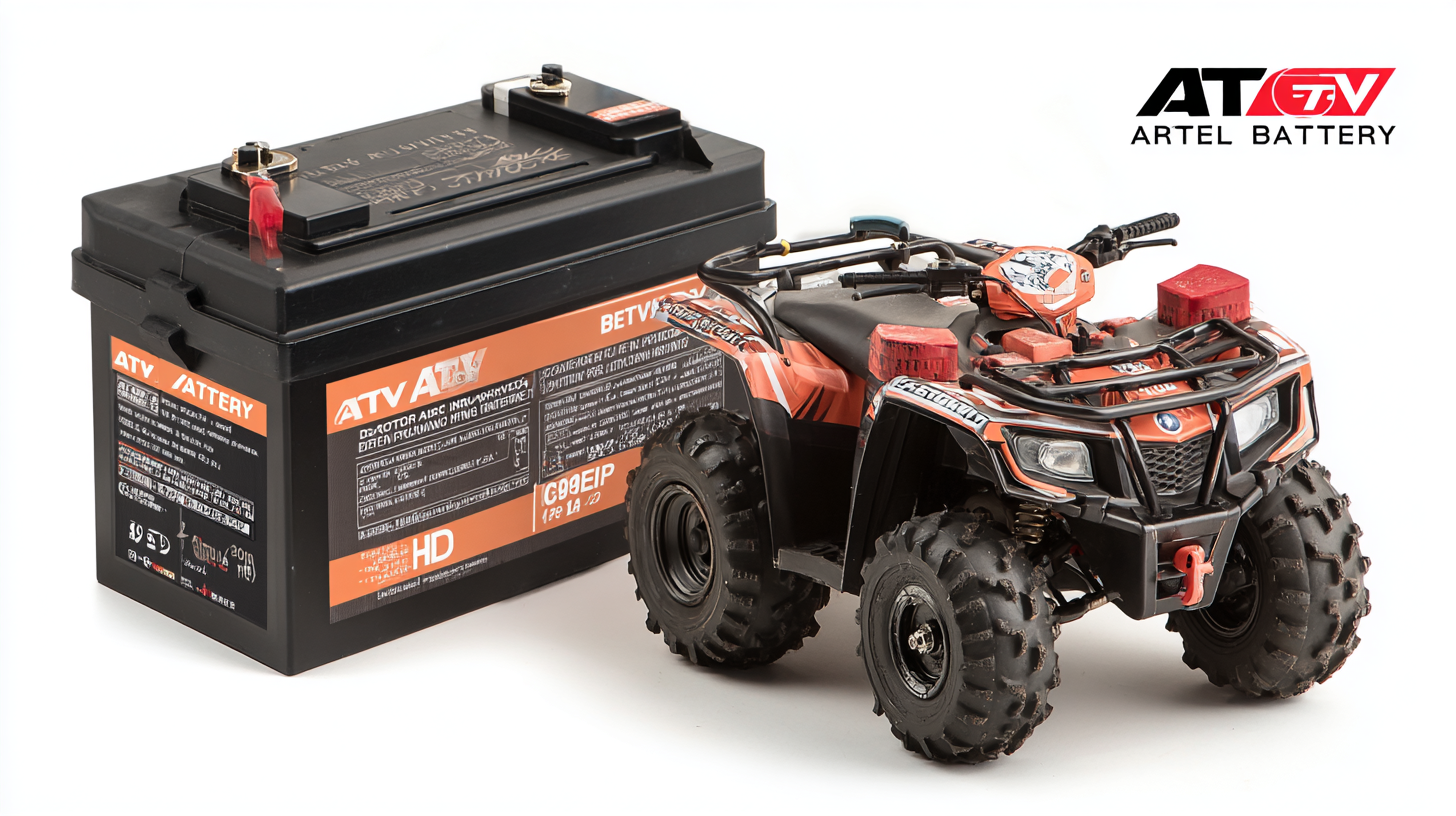
How to Leverage Certification for Increased Market Competitiveness
In the fast-paced world of the ATV battery market, having the right certifications can really make a difference when it comes to building credibility and trust with consumers. For those in the game of global import and export, getting recognized certifications can be a total game-changer. These certifications not only prove that products meet international safety and environmental standards but also let customers know they’re getting high-quality, high-performance batteries. When companies showcase these credentials in their marketing, it helps them stand out from the crowd, making their products way more enticing in such a crowded market.
Now, effectively using these certifications means really understanding the specific standards that matter to your target markets. Take ISO or CE certifications, for instance; they can greatly boost an ATV battery’s appeal on a global scale. Companies should definitely highlight these badges of honor on their websites, social media, and even on the product packaging itself to create a strong brand story. Plus, keeping an open line of communication with regulatory agencies can really help businesses stay on top of industry shifts, ensuring they remain compliant and competitive. By doing all this, importers and exporters can not only protect their brand’s reputation but also build customer loyalty by showing they’re committed to quality and safety.
FAQS
The UN38.3 certification is essential for ensuring the safe transportation of lithium-ion batteries, which constitute over 60% of ATV batteries globally.
Certifications enhance credibility and trust among consumers, ensuring compliance with safety standards and signaling high performance and quality benchmarks.
Importers can showcase certifications on their websites, social media platforms, and product packaging to differentiate themselves from competitors and appeal to customers.
Recognized certifications can reduce liability, align products with international best practices, foster customer trust, and expand market reach.
Industry experts recommend that consumers are more likely to purchase batteries that meet or exceed regulatory requirements, as they indicate product safety and performance.
Continuous dialogue helps importers stay ahead of industry changes, ensuring they remain compliant and competitive in the ATV battery market.
Certifications ensure that products meet safety standards, which is crucial for reducing liability and enhancing customer trust in the product quality.