The Pioneer Of Battery Innovations
contact us
Leave Your Message


You know, over the past few years, the whole energy storage scene has really changed with some cool new technologies popping up, especially the Sodium Ion Battery. As more and more people are looking for energy solutions that are not just efficient but also sustainable, reports are saying that the market for Sodium Ion Batteries might hit around $798 million by 2026. That's a big deal, right? It really shows how these batteries could shake up the way we think about energy storage. What’s interesting is that, unlike the usual lithium-ion batteries we’ve been using forever, Sodium Ion Batteries come with some pretty neat perks. They're made from materials that are abundant and generally cheaper, which makes them a viable option for a bunch of different uses. And let’s not forget Shenzhen Ensmar Technology Co., Ltd. They're a key player in making lithium energy storage solutions and are all set to ride this wave of change while keeping their focus on developing cutting-edge Lithium Battery systems. As both sectors keep advancing, the way Sodium Ion Batteries get integrated into the tech world really could boost energy efficiency and sustainability. This could be a game changer for a lot of industries, from renewable energy to telecommunications.
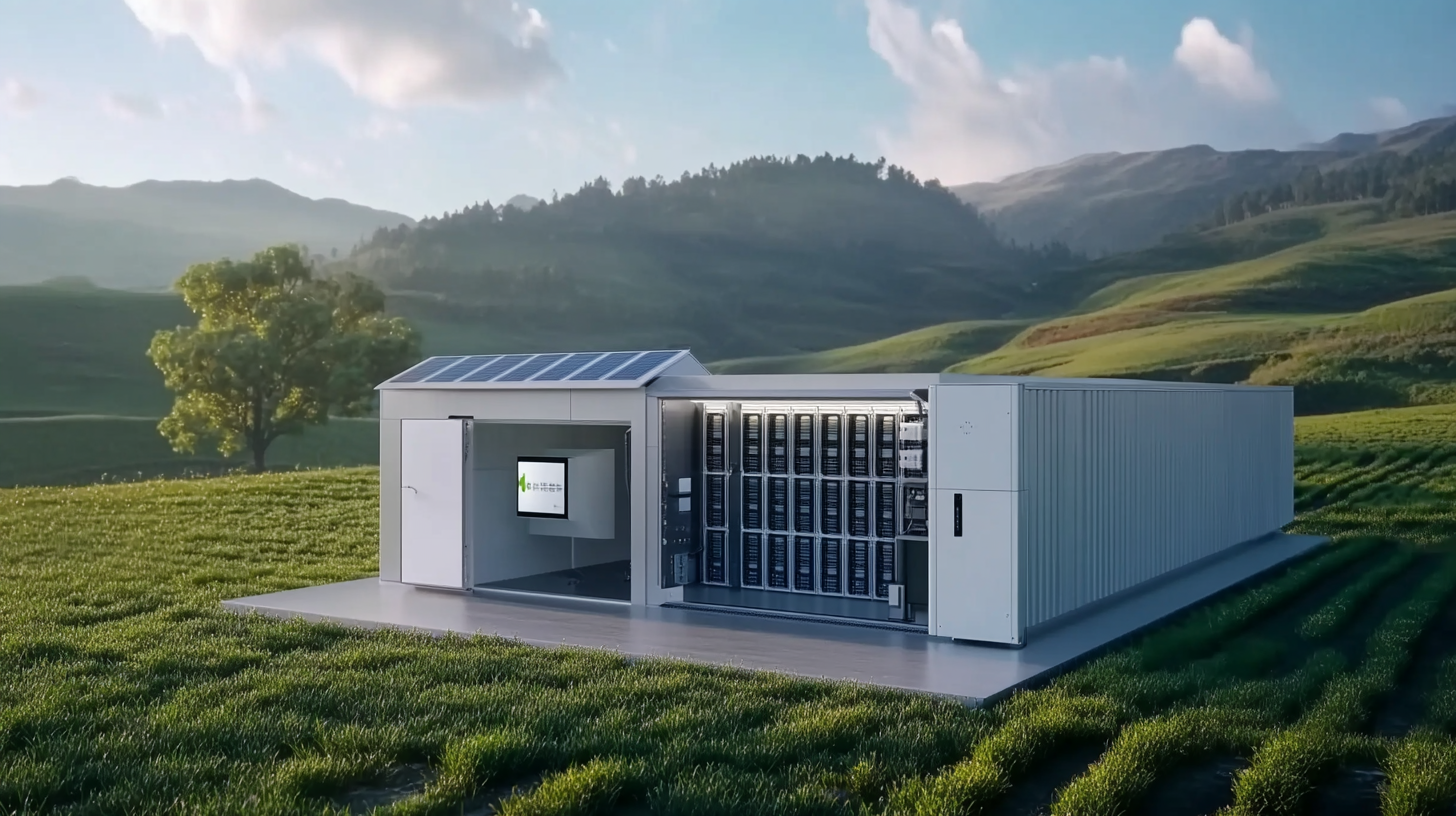
Sodium ion batteries (SIBs) have emerged as a formidable alternative in the global energy storage landscape, primarily driven by China's advancements in battery technology. According to a recent report by IDTechEx, the sodium-ion battery market is expected to reach a valuation of approximately $3.4 billion by 2033, reflecting an impressive annual growth rate owing to the increasing demand for cost-effective and sustainable energy solutions. Unlike traditional lithium-ion batteries, SIBs utilize abundant sodium resources, significantly reducing material costs and environmental impacts.
As industries worldwide seek to transition to greener technologies, sodium ion batteries are positioning themselves as a viable solution to replace or complement lithium-ion systems, especially in large-scale applications like grid storage. A report by Wood Mackenzie forecasts that global sodium-ion battery installations will exceed 150 GWh by 2025, marking a significant leap in adoption as manufacturers gain confidence in their performance and longevity. With major players in the energy sector focusing on reliable and efficient energy storage solutions, the rise of sodium ion batteries reflects a broader shift towards sustainable practices within the global market.
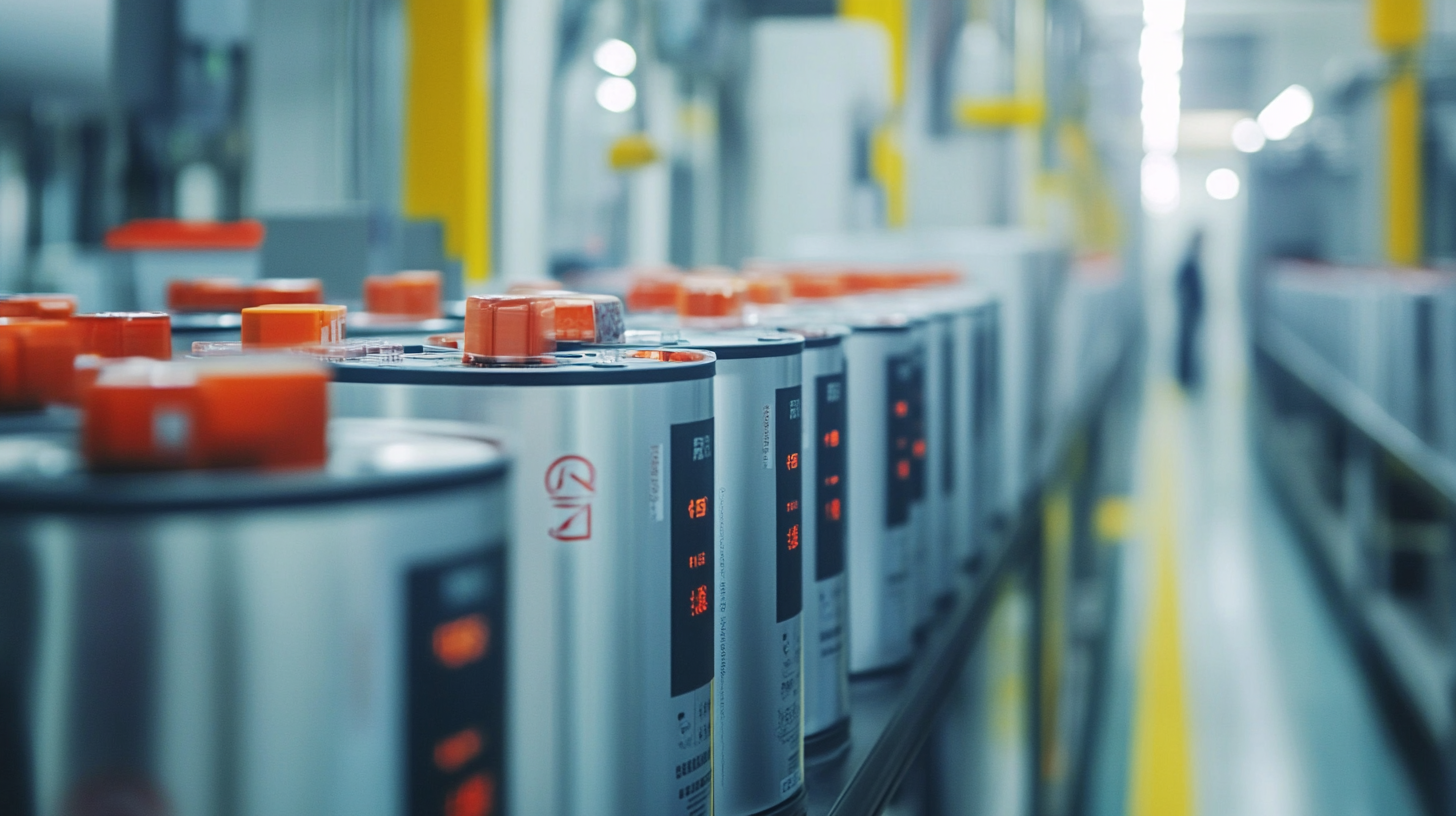
China has emerged as a pivotal player in advancing sodium ion battery technology, a sector poised to revolutionize energy storage. According to a recent report by the International Energy Agency, global demand for Battery Storage is projected to reach 2,000 GWh by 2030, driven by the rapid growth of renewable energy sources. China's robust industrial base and significant investments in research and development have enabled it to lead the charge in this innovative battery technology, promising a more sustainable alternative to conventional lithium-ion batteries.
One of the key advantages of sodium ion batteries is their abundance and lower cost of raw materials; sodium is significantly cheaper than lithium, making the overall production more economically viable. A study by the China Battery Industry Association indicates that sodium ion batteries can reduce costs by up to 30% compared to their lithium counterparts. This shift not only supports domestic energy initiatives but also strengthens China's position in the global battery market, contributing to a greener future. As production ramps up, the hope is to see sodium ion batteries become a mainstream solution for electric vehicles and large-scale energy storage applications, further solidifying China's role as a leader in battery innovation.
Hey there! So, have you heard about sodium ion batteries? They’re becoming a really exciting alternative to the traditional lithium-ion batteries that we've been using for ages. It’s particularly interesting to see a lot of innovation coming out of China in this space. One major perk of sodium ion batteries is that they're way more abundant and cheaper than lithium ones. I mean, sodium comes from regular salt, which is everywhere, right? That means the raw materials don't break the bank. This definitely makes sodium batteries a more sustainable and scalable option, especially for those big projects where energy needs are on another level.
And let’s not overlook the environmental angle. Sodium ion batteries generally have a smaller ecological footprint compared to lithium batteries, which usually involve a whole lot of mining for lithium and cobalt. This switch could really promote cleaner technology and help us align with those global sustainability goals that everyone’s been talking about.
**So, here’s a little tip:** If you're weighing your options for energy storage, definitely check out sodium ion tech, especially if budget and eco-friendliness are on your mind. And keep your eyes peeled for the latest developments from those innovation hubs; staying in the loop can be super handy for finding the most efficient and green energy solutions out there.
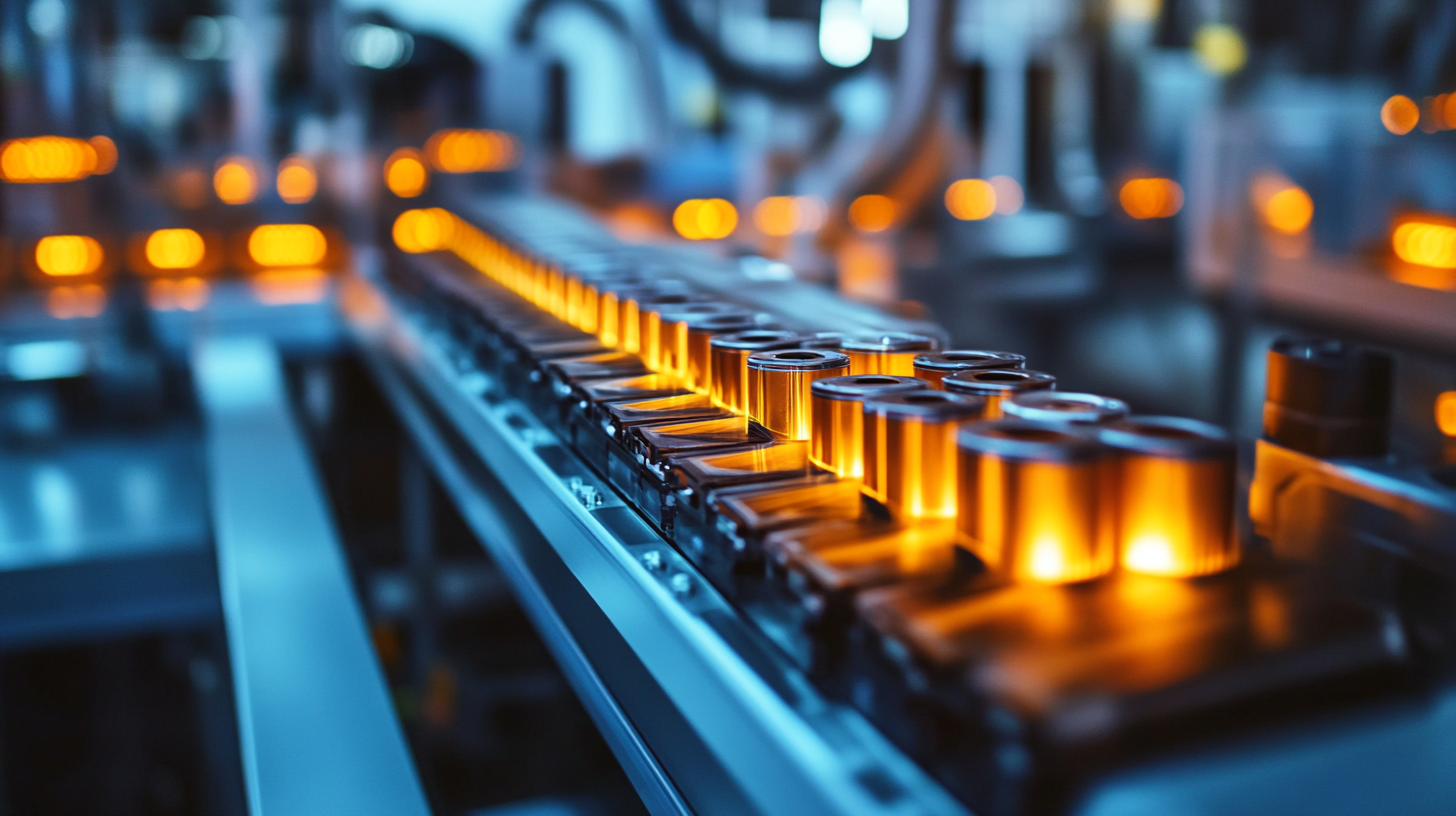
Sodium ion batteries are really shaking things up in the energy storage world, emerging as a solid alternative to the usual lithium-ion batteries we’ve come to know. Over in China, especially in the hubs of innovation, these batteries are being developed and show some exciting potential for real-world use. You know, industries like renewable energy are starting to jump on the sodium ion bandwagon because they’re not just cost-effective, but sodium is way more abundant than lithium. This makes sodium ion batteries a smart, sustainable choice for big energy storage solutions, especially when it comes to harnessing solar and wind power.
But it’s not just about energy storage; sodium ion batteries are popping up in all sorts of electronic gadgets and even electric cars! As manufacturers are hunting for greener options, these batteries offer a compelling solution because they have a smaller environmental footprint. Plus, with all the latest advancements in battery tech, we’re seeing improvements in how efficient and long-lasting these batteries can be, helping to bust through some of the issues we’ve had in the past. As research keeps rolling on, it looks like we’ll see sodium ion batteries making their mark across a bunch of different sectors, signaling a pretty big shift in how we think about batteries and energy management.
| Application Area | Description | Advantages | Challenges |
|---|---|---|---|
| Grid Energy Storage | Utilization of sodium ion batteries to store excess energy from renewable sources. | Cost-effective, abundant materials, and high safety. | Lower energy density compared to lithium-ion batteries. |
| Electric Vehicles | Sodium ion batteries as a potential alternative for powering electric vehicles. | Sustainable sourcing and potential for lower costs. | Performance still under development for mainstream applications. |
| Consumer Electronics | Integration of sodium ion batteries in affordable electronic devices. | Lower environmental impact and potentially lower prices. | Energy density still lower than current lithium technologies. |
| Renewable Energy Microgrids | Use in microgrids to improve energy reliability and storage. | High availability of sodium resources and safety. | Infrastructure and technology still developing. |
You know, as more folks are looking for sustainable energy solutions, sodium-ion batteries are popping up as a pretty exciting alternative to the traditional lithium-ion ones we've been using for ages. China, the place where all the innovation seems to be happening, is really leading the charge on this. They're making some impressive strides in sodium-ion technology. Looking ahead, it seems like if manufacturers keep pouring resources into research and development, we might see breakthroughs in things like electrolyte materials and battery designs. This could really crank up their performance, making sodium-ion batteries even more efficient and easier on the wallet, too.
Plus, when you consider the environmental angle, sodium-ion batteries turn out to be a solid choice for energy storage. Sodium's everywhere and it’s non-toxic, so we wouldn't have to lean so heavily on lithium, which is getting pretty scarce. This totally lines up with the global push for sustainability. As industries start shifting to greener methods, sodium-ion tech could seriously shake things up, especially when it comes to storing energy from renewable sources. If we keep seeing innovation and people teaming up strategically, the future of sodium-ion batteries is looking really bright. We might be on the brink of a new era in energy storage that could light up homes and power entire industries!
: China has become a key player in advancing sodium ion battery technology, leveraging its strong industrial base and substantial investments in research and development to lead innovations in this sector.
Sodium is significantly cheaper than lithium, which allows sodium ion batteries to reduce production costs by up to 30% compared to lithium-ion batteries.
Sodium ion batteries have an abundance of raw materials and are non-toxic, which diminishes reliance on scarce resources like lithium and aligns with global sustainability goals.
Global demand for battery storage is projected to reach 2,000 GWh by 2030, primarily driven by the growth of renewable energy sources.
Future trends suggest significant advancements in electrolyte materials and battery architecture, which may enhance the efficiency and cost-effectiveness of sodium ion batteries.
As production increases and technology improves, sodium ion batteries are expected to become a mainstream solution for electric vehicles and large-scale energy storage applications.
The transition to sodium ion batteries supports domestic energy initiatives by providing a more sustainable and economically viable alternative to conventional battery technologies.
Continued innovation and strategic partnerships are important for the advancement of sodium ion battery technology, fostering advancements that could make these batteries a key component in energy storage systems.