Leave Your Message
0%

These days, with the energy world changing so fast, making sure we’re as efficientas possible is more important than ever. And that’s where hybrid inverters really come into play—they're kinda at the heart of this new energy scene. I read in a report fromAllied Market Research that the global market for hybrid inverters is on track to hit around $10.4 billion by 2025. That’s mainly because more folks are jumping on renewable energy and energy storage solutions.
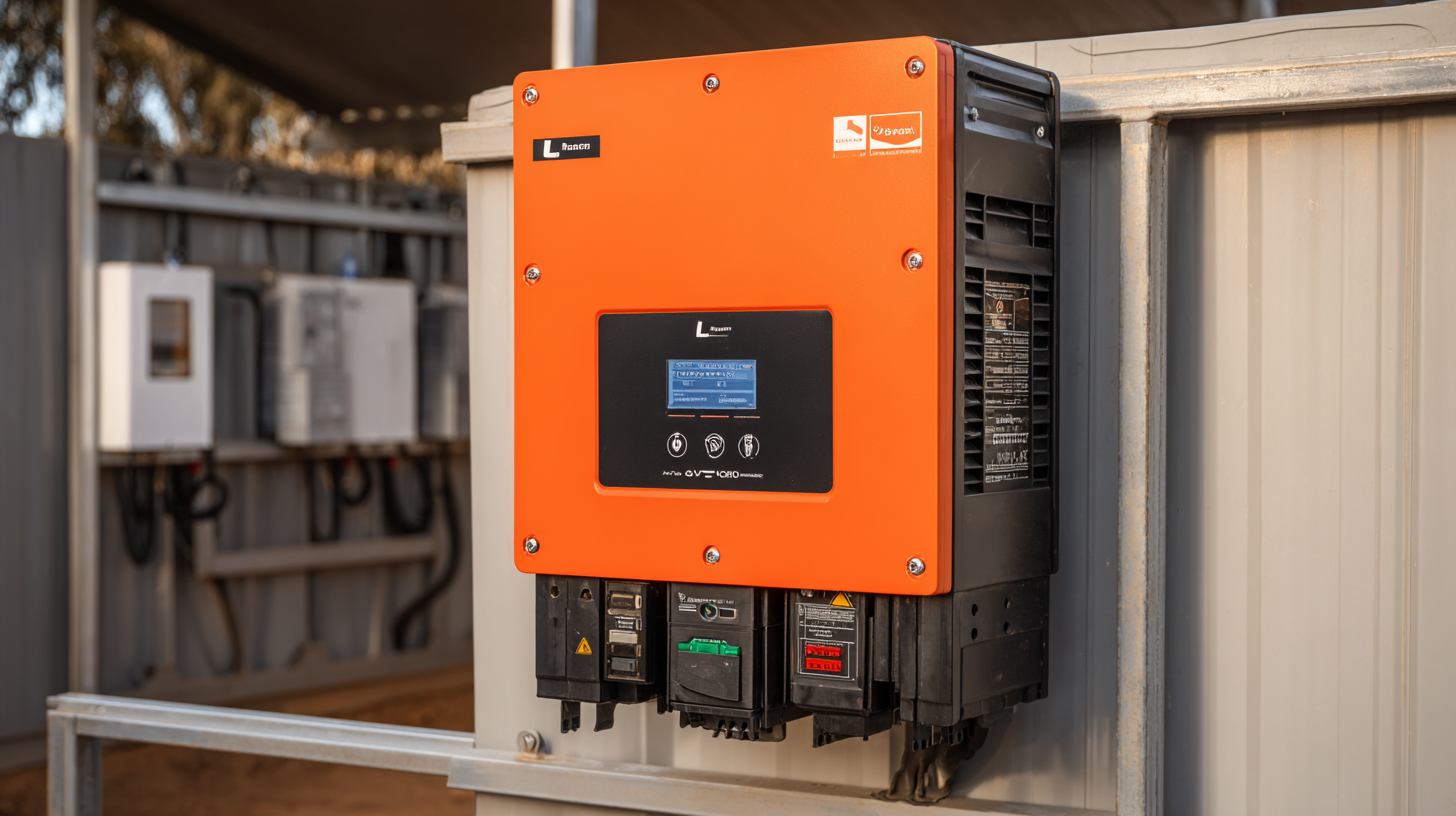
The Ultimate Guide to Mastering Hybrid Inverters for Maximum Energy Efficiency

Shenzhen Ensmar Technology Co., Ltd. is definitely leading the charge here; they’re really focusing on lithium energy storage stuff that works perfectly alongside hybrid inverters. They’ve developed some pretty advanced energy storage systems for all kinds of industries, from renewable energy setups to telecom. Basically, Ensmar helps people get the most out of hybrid tech, which is pretty cool.

Anyway, in this guide, I’ll walk you through the key strategies and tips to get the most from hybrid inverters—helping you boost energy efficiency and stay greener than ever.

Understanding Hybrid Inverters: Key Features and Benefits

Hybrid inverters are really changing the game in renewable energy, blending the best of both grid-tied and off-grid setups. One of the coolest things about them is how they can juggle multiple energy sources at once—think solar panels, batteries, and the electric grid—kind of like a smart energy manager. According to a report from ResearchAndMarkets, the worldwide market for hybrid inverters is expected to grow at an impressive 22.7% annual rate. That’s a pretty clear sign that more folks are jumping on board, thanks to their better energy management and potential cost savings. What’s more, this flexibility means homeowners can tweak their energy use to rely less on the grid and make the most of their stored solar energy.

Plus, most hybrid inverters come with some pretty advanced monitoring tech that shows you real-time data on how much energy you’re producing and using. It’s like having a dashboard at your fingertips, helping you make smarter decisions and cut down on wasted energy. The International Energy Agency (IEA) even mentions that homes with these systems could slash their electricity bills by up to 40% each year—pretty significant, right? All things considered, with their powerful features and the clear benefits they bring, hybrid inverters are really becoming a key part of the shift towards cleaner, more sustainable energy solutions.

The Ultimate Guide to Mastering Hybrid Inverters for Maximum Energy Efficiency

Feature Description Benefits
Grid-Tie Operation Allows for connection to the utility grid to sell excess energy. Reduces electricity bills and provides additional income through net metering.
Battery Storage Stores excess energy generated for use during peak times or outages. Enhances energy independence and ensures power availability during blackouts.
Energy Management System Intelligent monitoring and control of energy usage and production. Optimizes energy consumption and maximizes savings.
Multi-Source Integration Can integrate solar, wind, and grid energy sources. Increases reliability and versatility in energy sourcing.
Scalability Easily adjustable capacity based on energy needs and availability. Allows for future expansion to meet growing energy demands.

Navigating the Types of Hybrid Inverters: Which One is Right for You?

When you're trying to pick the right hybrid inverter for your solar setup, it’s pretty important to get a good handle on the different types out there. Basically, hybrid inverters do a bunch of things—they convert solar energy, manage your battery storage, and connect with the grid all at once. Interestingly, industry data suggests that the global market for these inverters is expected to grow by over 20% annually from 2023 to 2028. That just goes to show how much people are shifting towards smarter, energy-efficient solutions. Choosing the right inverter can really boost your system’s performance and save you a bunch on energy bills.

The Ultimate Guide to Mastering Hybrid Inverters for Maximum Energy Efficiency

Looking ahead to 2025, there will be tons of options depending on what you need. For smaller setups, string inverters are still a favorite—they’re budget-friendly and simple to use. But for bigger systems, people are leaning more towards power optimizers and micro-inverters because they’re better at handling shading issues and reducing energy loss. Actually, some studies show that micro-inverters can boost energy production by up to 20%, which is pretty impressive if you’re trying to squeeze the most out of your solar panels. In the end, understanding these differences helps you make smarter choices—whether it’s for saving money, being more eco-friendly, or just getting the most out of your solar investment.

Installation Essentials: Setting Up Your Hybrid Inverter for Optimal Performance

Installing a hybrid inverter is pretty much a key step if you're looking to get the most out of your home's energy efficiency. But before jumping in, it really pays off to do a thorough site check-up. Take a good look at your property — check out how much sunlight it gets, what your electrical setup looks like, and what your energy needs are. That’ll help you pick the right inverter that actually fits your situation. When it comes to placement, don’t just slap it anywhere! Make sure it’s in a shady, well-ventilated spot so it doesn’t overheat and can work at its best.

Once you've nailed down the perfect spot, the next thing is wiring; gotta make sure everything lines up with your local electrical codes. That means secure connections to the grid, your batteries, and solar panels. Using good quality cables and connectors is a no-brainer — it helps limit resistance and keeps energy losses down. It’s also a smart move to test those connections before going full throttle with the system, just to avoid headaches down the road. If you take your time and follow these simple steps, you'll end up with a hybrid inverter that runs smoothly, saving you money and helping the environment at the same time.

Maximizing Energy Efficiency: Tips and Tricks for Hybrid Inverter Management

The Ultimate Guide to Mastering Hybrid Inverters for Maximum Energy EfficiencyHybrid inverters are really changing the game when it comes to how we handle energy these days. Basically, they can switch smoothly between feeding power from the grid, drawing from your batteries, or tapping into renewable sources like solar panels. This means we can really boost our energy efficiency—sometimes by quite a bit! The folks over at the National Renewable Energy Laboratory (NREL) say that, if managed well, hybrid inverters can bump up energy use efficiency by as much as 30%. That’s because they’re pretty smart about adjusting how energy flows, making sure homeowners get the most out of their solar or other renewable setups.

If you want to squeeze the most out of your hybrid inverter, there are a few tips you might find helpful. For instance, keeping an eye on your energy habits can really make a difference. When you understand your usage patterns, you can decide better when to use stored power and when to pull from the grid. The International Energy Agency (IEA) actually reports that folks who actively manage their energy tend to save around 20% on their bills. Plus, adding some smart home tech can really take things up a notch. Devices that auto-adjust power use based on real-time data can make your inverter run at peak efficiency, which means less wasted electricity and some extra savings, too.

Troubleshooting Common Issues with Hybrid Inverters

Hybrid inverters are pretty essential when it comes to squeezing out the most energy efficiency, especially in setups that rely on renewables. But, like anything, they’re not perfect—and issues can pop up that drag down performance and cut into those savings. One of the common hiccups is with the battery management systems. If these aren’t working just right, it can cause batteries to charge or discharge suboptimally, which isn’t great. A report from the International Renewable Energy Agency (IRENA) suggests that by fine-tuning battery management, you could boost overall energy efficiency by up to 30%. So, tackling these problems quickly is key to keeping your inverter running at its best.

Another thing folks often run into is software compatibility and updates. As tech moves forward, keeping your hybrid inverter’s software up-to-date is crucial—you want it to work smoothly with the latest energy management tools out there. The Global Battery Energy Storage Market Report also highlights that good data monitoring can bump up efficiency by around 20%. That way, users can catch issues early on and fix them before they become major headaches. Here at Shenzhen Ensmar Technology Co., Ltd., we’re all about creating innovative lithium energy storage solutions to meet these challenges head-on. Our goal? Make sure the integration is seamless so your energy systems—from renewables to telecom—perform at their absolute best.

The Ultimate Guide to Mastering Hybrid Inverters for Maximum Energy Efficiency

This bar chart illustrates the typical values associated with hybrid inverters, highlighting their efficiency, cost, maintenance frequency, and lifespan. Understanding these metrics is crucial for optimizing energy efficiency in hybrid inverter systems.

Future Trends in Hybrid Inverter Technology: What to Expect

Looking ahead, the future of hybrid inverter tech is really set to shake things up. It’s all about making energy use more efficient and sustainable, which is pretty exciting. Recent news highlights how important power semiconductor tech is for creating high-efficiency appliances and boosting renewable energy projects. The demand for hybrid inverters—those clever devices that can handle multiple power sources—is expected to grow steadily, with a compound annual growth rate of over 15% up until 2025. This trend makes sense when you think about how more people are adopting renewable energy systems and the ongoing need for smarter energy management.

Plus, big international energy events are all gearing up to showcase some seriously innovative storage solutions. For example, new advanced energy storage matrices are a big step forward in making energy use more efficient and fostering sustainable practices. The global market for energy storage is projected to hit around USD 200 billion by 2026, which shows just how crucial hybrid inverters will be in this space. As this technology keeps evolving, we're going to see better features, higher efficiencies, and more user-friendly options—perfect for meeting the ever-growing energy needs of the future.

The Future of Renewable Energy: Exploring the Benefits of Stackable All-in-One Hybrid Solar Power Systems

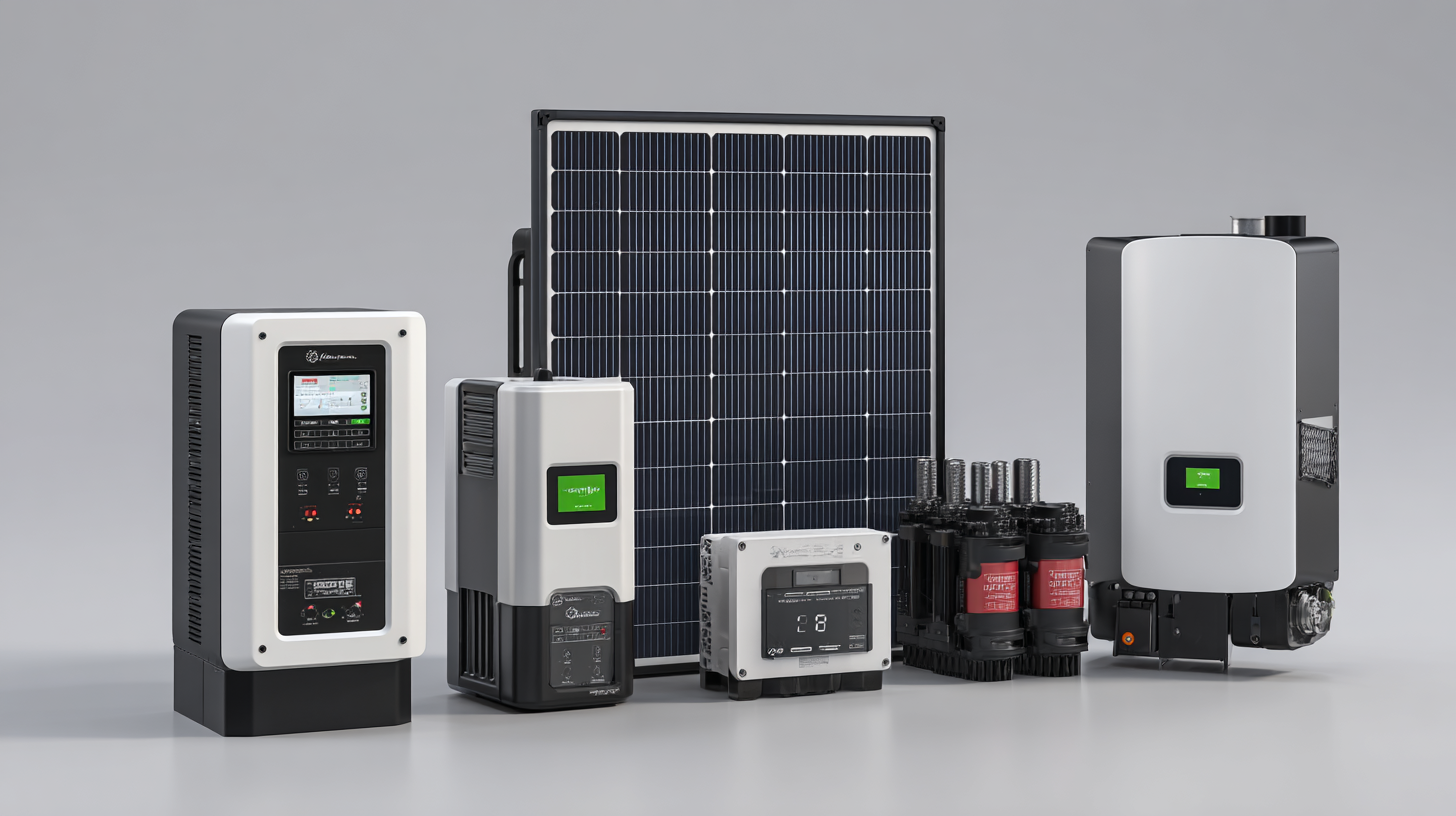
The future of renewable energy is bright, especially with the introduction of stackable all-in-one Hybrid Solar Power systems. These innovative solutions not only optimize electricity generation but also maximize the efficiency of energy storage, making them a game-changer for homeowners looking to reduce their carbon footprint. One standout product in this evolving landscape is the ENSMAR Hestia-series, expertly designed to function as a hybrid solar power system.

At the heart of the Hestia-series is the perfect synergy between the Deye hybrid inverter and ENSMAR LiFePO4 batteries. This combination ensures reliable and efficient energy storage, enabling households to harness solar energy effectively. With its easy installation and space-saving design, the Hestia-series offers flexibility that is ideal for new installations. Homeowners can now enjoy the benefits of renewable energy without the hassle of complex setups, all while contributing to a sustainable future.

As we look towards the implementation of advanced hybrid systems like the ENSMAR Hestia-series, the transition to renewable energy sources becomes not only feasible but also practical. With the growing awareness of climate change and fossil fuel dependency, these stackable systems pave the way for a resilient energy ecosystem in our homes. It's time to embrace the future of energy with solutions that are both efficient and eco-friendly.

FAQS

: What is the importance of a site assessment before installing a hybrid inverter?

: A thorough site assessment is essential to evaluate your property’s energy needs, sunlight exposure, and electrical layout, which helps in selecting the right inverter model for optimal performance.

Where should a hybrid inverter be installed for the best performance?

A hybrid inverter should be installed in a well-ventilated, shaded location to avoid overheating and maintain efficiency.

What should be considered regarding wiring and connections during installation?

It’s crucial to ensure that all wiring and connections adhere to local electrical codes and to use high-quality cables and connectors to minimize resistance and energy losses.

How can testing connections benefit the hybrid inverter system?

Testing connections before full system deployment helps prevent potential issues and acts as a safeguard against future operational problems.

What is driving the demand for hybrid inverters in the market?

The increasing adoption of renewable energy systems and the need for efficient energy management are driving the demand for hybrid inverters, expected to grow over 15% annually through 2025.

What advancements in battery technology are expected for hybrid inverters?

Upcoming international energy exhibitions are likely to showcase innovations in energy storage solutions, such as advanced energy storage matrices that optimize energy usage.

What is the projected market value for global energy storage by 2026?

The global energy storage market is projected to reach USD 200 billion by 2026, highlighting the importance of hybrid inverters in this sector.

How will future hybrid inverter technology benefit users?

As technology evolves, we can expect enhanced functionalities, higher efficiency rates, and more user-friendly solutions to meet the expanding energy demands of tomorrow.

Why is selecting the right inverter model crucial for energy efficiency?

Choosing the appropriate inverter model aligned with your property’s specific energy requirements ensures that the system operates at maximum efficiency, leading to greater energy savings.

What role do power semiconductor technologies play in hybrid inverter development?

Power semiconductor technologies are essential for advancing high-efficiency appliances and renewable energy solutions, contributing to the overall sustainability goals of hybrid inverter systems.

Conclusion

If you’re trying to squeeze out the most energy efficiency from your setup, it’s pretty important to get a good grip on hybrid inverters and what makes them tick. These nifty devices aren’t just about generating solar power; they also store energy, making your energy management way smoother. Once you start looking at the different types of hybrid inverters on the market, you can pick one that actually fits your needs—whether you’re all about home use or running a larger industrial setup. And hey, proper installation really matters—it’s the key to making sure everything runs just right, so don’t skip those crucial setup guidelines.

On top of that, if you want to really get the most out of your hybrid inverter, a bit of proactive management can go a long way. Simple tips and tricks can boost performance and help you avoid problems before they even pop up. When you run into issues, troubleshooting quickly can save you from downtime and keep things running smoothly. Tech keeps changing fast, so it’s exciting to think about what the future holds for hybrid inverter tech—it’s only going to get better! Companies like Shenzhen Ensmar Technology Co., Ltd. are leading the charge here, offering some pretty awesome lithium energy storage solutions that work hand-in-hand with these inverters and push us toward a more sustainable future.


Sophia

Sophia

Sophia is a dedicated marketing professional at Shenzhen ZhiZhi Technology Co., Ltd., where she combines her expertise with a deep passion for technology. With extensive knowledge of the company's innovative products, she plays a crucial role in communicating their value to a broader audience.......
Previous Ultimate Car Jump Starter Features You Did Not Know About 2023