The Pioneer Of Battery Innovations
contact us
Leave Your Message


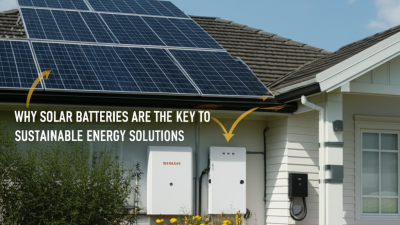
You know, with energy prices climbing higher and higher, more homeowners are on the hunt for smart, sustainable ways to cut down those pesky electricity bills. Recently, I came across a report from the U.S. Energy Information Administration that says our electricity costs have shot up about 6.5% just in the past year alone—that’s kind of shocking, right? Given all that, a lot of folks are turning to Home Solar Batteries as a really effective way to save energy and money. These cool systems do more than just store the electricity your solar panels make—they also act as a backup during power outages, giving your home a bit more independence from the grid.
What’s pretty amazing is that studies show installing a Home Solar Battery can slash your electricity bills by up to 70%. Plus, BloombergNEF reports that the cost of these battery systems has dropped by around 70% since 2010—talk about making this tech more affordable for regular folks! By pairing solar panels with a good battery, you can use renewable energy during those peak times when electricity is most expensive, and rely less on the grid. It’s a win-win—saving money and doing your part for the environment. In this article, I’ll share some practical tips for homeowners interested in jumping into the world of Home Solar Batteries and show you how they could really change the way you consume energy—and maybe even help save the planet a little along the way.
Home solar batteries are becoming increasingly vital as households seek ways to minimize energy costs and enhance sustainability. These batteries store excess energy generated from solar panels during the day, allowing homeowners to use this clean energy during peak hours when electricity prices are higher. According to a recent report by the U.S. Energy Information Administration, homeowners can save up to 70% on their electricity bills by using this stored energy effectively. This shift not only supports grid resilience but also reduces reliance on fossil fuels, making it a pivotal element in energy savings.
Tips for maximizing the benefits of home solar batteries include monitoring your energy consumption and optimizing your solar panel output. Homeowners should consider investing in smart energy management systems that can track usage patterns and predict energy needs. Additionally, integrating time-of-use electricity plans can help homeowners charge their batteries during off-peak hours, further enhancing savings.
Moreover, regular maintenance of solar panels and batteries is crucial. Ensuring that your system is operating at peak efficiency can lead to greater cost reductions. According to the Solar Energy Industries Association (SEIA), well-maintained solar systems can increase energy output and extend the lifespan of both solar panels and batteries. By understanding the functionalities and benefits of these systems, homeowners can significantly lower their energy expenses while contributing to a greener future.
| City | Average Monthly Electricity Bill ($) | Solar Battery Capacity (kWh) | Estimated Savings (%) | Payback Period (Years) |
|---|---|---|---|---|
| San Francisco, CA | 200 | 10 | 65% | 5 |
| Austin, TX | 150 | 8 | 70% | 6 |
| New York, NY | 250 | 12 | 60% | 4 |
| Seattle, WA | 180 | 9 | 50% | 7 |
| Miami, FL | 220 | 10 | 68% | 5 |
: Solar batteries store excess energy generated from solar panels during sunlight hours, allowing homeowners to use that stored energy during peak usage times or on cloudy days.
Solar batteries enhance the effectiveness of solar power systems by minimizing reliance on the grid, which can lead to significant reductions in electricity bills.
Homeowners can potentially save up to 70% on their electricity bills by utilizing home-generated power from solar batteries instead of purchasing energy from utility providers.
Key factors include the size and capacity of the solar battery system, as well as the homeowner's energy usage patterns and local electricity rates.
A larger solar battery system can store more energy, allowing for greater reductions in electricity bills by using stored energy during peak pricing hours.
Understanding your energy usage patterns helps optimize the use of stored energy, aligning it with aspects of your lifestyle to maximize savings.
Pairing solar battery systems with energy-efficient appliances, investing in smart home technology to track energy use, and being mindful of time-of-use pricing can help maximize savings.
Advancements, particularly in lithium-ion batteries, have improved efficiency and storage capacity, allowing households to offset a larger portion of their electricity costs.
Yes, by reducing reliance on the grid and promoting the use of renewable energy, solar batteries contribute to a more sustainable and environmentally friendly energy future.
Home Solar Batteries play a crucial role in maximizing energy savings by storing excess solar energy for later use, which can significantly reduce electricity bills by up to 70%. Understanding how these batteries function, from capturing solar energy to efficiently releasing it when needed, is essential for homeowners looking to lower costs. Several factors, including energy consumption patterns and local utility rates, impact the potential savings on your electricity bill.
Calculating savings involves estimating the costs and benefits of installation, guiding homeowners in making informed decisions. Choosing the right solar battery system tailored to individual needs ensures optimal performance and savings. Companies like Shenzhen Ensmar Technology Co., Ltd. are at the forefront of this technology, providing advanced lithium energy storage solutions that cater to both residential and commercial sectors, encouraging the shift towards renewable energy usage.