Leave Your Message
0%

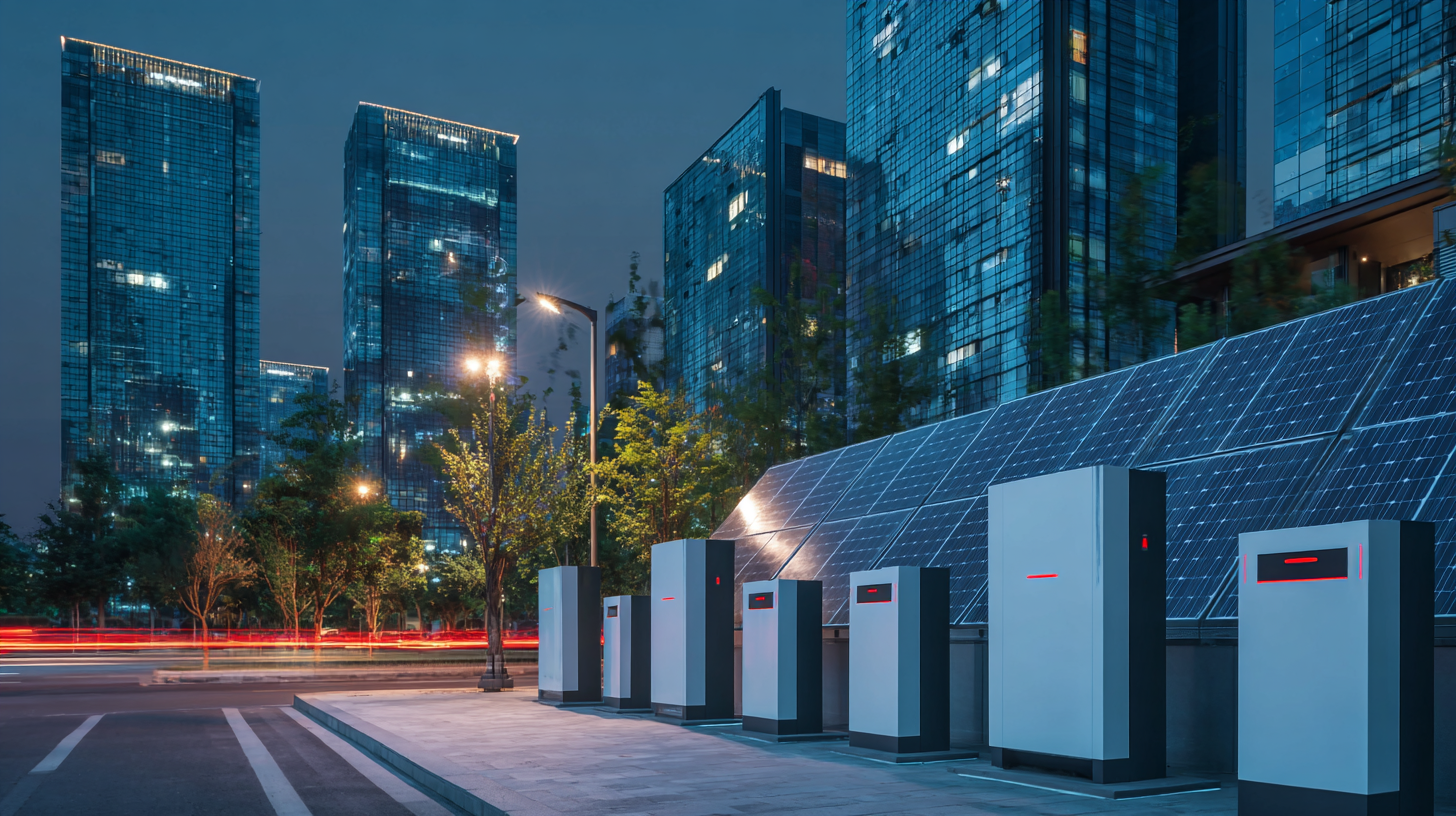
With the world turning more toward clean energy, home battery backups are moving from niche to mainstream. A BloombergNEF report suggests the home Battery Storage market could explode to more than 10 million installations by 2025. The surge mostly comes from people embracing renewables and wanting a reliable way to store energy from solar panels and wind turbines. Companies like Shenzhen Ensmar Technology Co., Ltd. are leading the charge, focusing on lithium energy storage solutions that deliver cutting-edge storage systems. ENSMAR’s customized solutions are built to meet a range of needs—from renewables to telecommunications—while keeping quality assurance and dependable energy management at the core. As we dive deeper into Home Battery Backups, it’s clear that Chinese innovation is shaping this critical field and helping homeowners around the world gain more control over their energy.
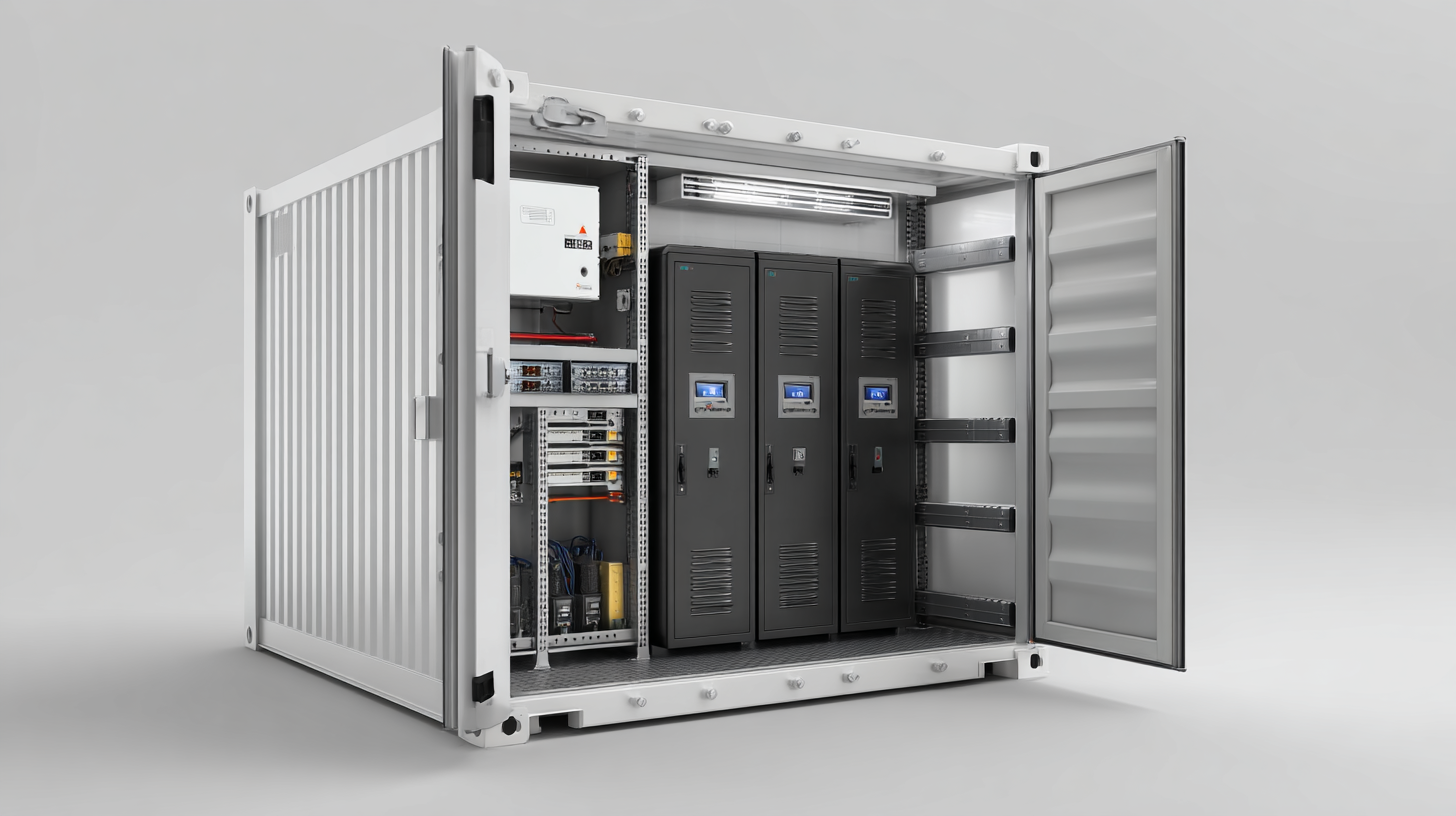
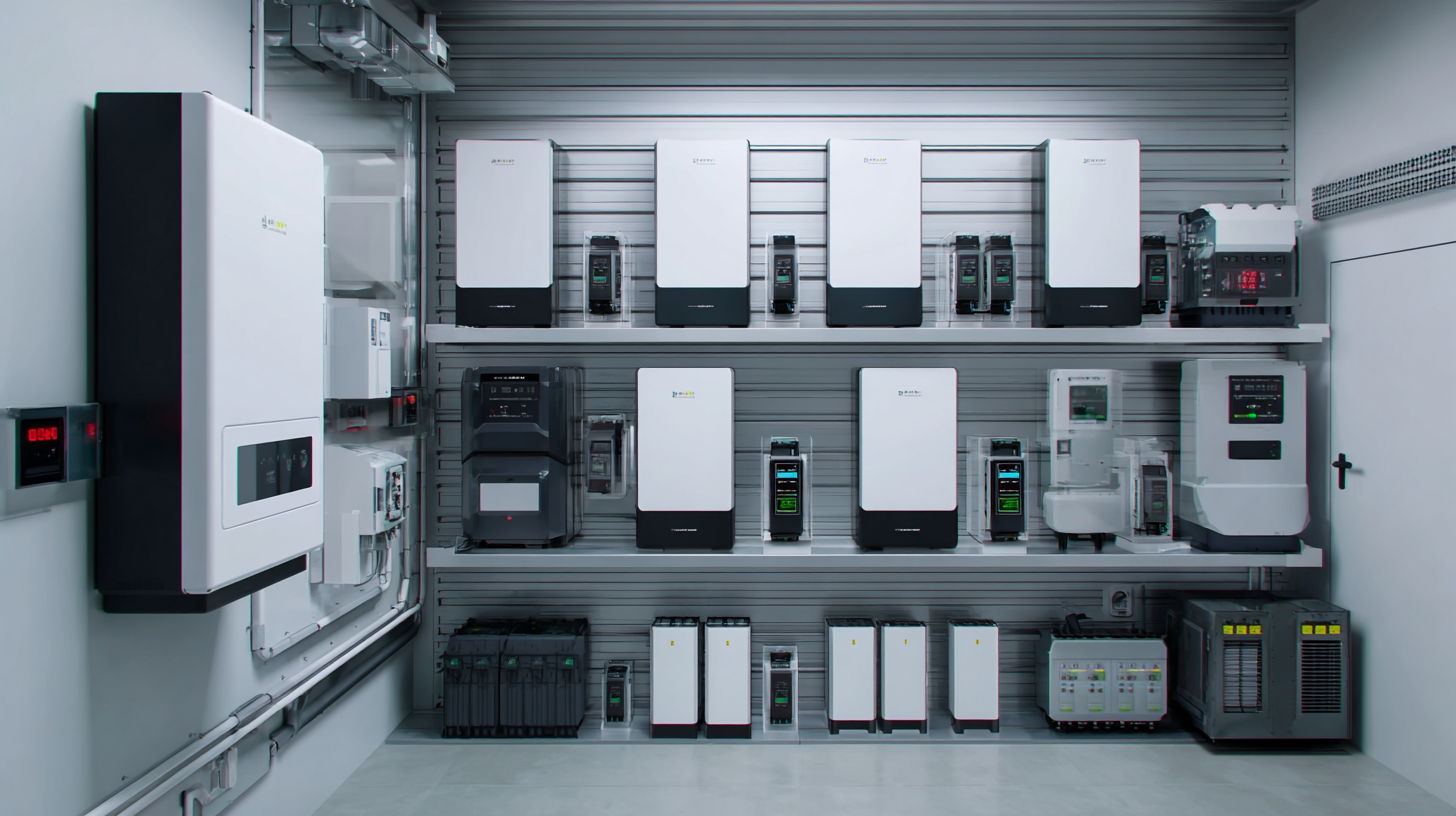
Global Leaders in Home Battery Backups Unleashing Chinese Innovation for Quality Assurance

Exploring the Rise of Home Battery Backups in Global Markets

Global Leaders in Home Battery Backups Unleashing Chinese Innovation for Quality AssuranceHome battery backups are really changing how people power their homes and businesses, nudging us toward greener energy habits. In 2024, the global solar generator market stood at about $591.09 million and is projected to reach roughly $1,018.29 million by 2026. This growth shows how important storage is for smoothing out the daily wiggles of renewable output, especially from solar.

The Battery Backup Market is on an upward path too, with forecasts tilting toward a size of around $46.02 billion by 2034 and a CAGR of 4.43%. China is emerging as a pivotal player in this shift, leaning on its innovation chops to ensure quality in home battery tech. With its firms producing nearly two-thirds of the world’s electric vehicles and commanding a dominant share of EV batteries, the country is at the forefront of the change. As global energy systems lean more toward renewables, the rise of home battery backups is becoming essential—not only to boost energy security but also to support the broader transition to sustainable energy practices.

Chinese Innovation: Driving Quality Assurance in Home Energy Solutions

China is at the forefront of driving quality in home energy solutions, especially when it comes to battery backups. As the world leans more toward reliable, sustainable energy, Chinese companies have been leading the charge—rolling out advanced Home Battery Systems that not only meet strict performance standards but also play nicely with renewables like solar power. This rapid progress puts China in a key spot in the global home-energy market and underlines how ongoing innovation is essential for reliability and customer satisfaction. Tip: When you're looking at home battery systems, check a company’s reputation for quality and the tech they use. Look for systems that have been tested under a range of conditions to prove durability and efficiency. Lately, the spotlight on innovation in chemical and energy sectors shows how tech breakthroughs are all connected. Adopting fresh practices will boost the sustainability and resilience of home-energy setups. By leaning on cutting-edge tech and sustainable materials, Chinese manufacturers are showing how innovation can lift quality assurance, benefiting both consumers and the environment. Tip: Stay informed about emerging trends in energy storage technologies, since continual advances can significantly impact energy efficiency and storage capabilities in home systems.

Key Features to Look for in Home Battery Backup Systems

Choosing a home battery backup system comes down to a few key features to make sure you end up with something you can actually rely on. First off, capacity really matters—it's what determines how long your essentials stay powered when the power goes out. Take a moment to map out your energy needs and pick a system that covers what you require without going overboard.

Then there's the battery itself. Lithium‑ion cells are popular these days because they’re efficient and last longer. Lead‑acid options can be cheaper upfront, but you’ll probably need to replace them more often.

Another big factor is the inverter. Since it converts the stored DC power into the AC you use for your devices, a solid inverter can make power delivery more stable and reliable. A high-quality inverter really makes a difference.

Smart features are also playing a bigger role in modern systems. Look for things like mobile monitoring, automatic load management, and compatibility with your solar setup—those touches can greatly improve how you use and manage the system.

If you focus on these points, you’ll be in a good position to choose a home battery backup that delivers lasting performance and real peace of mind.

Comparative Analysis: Global Leaders vs. Chinese Manufacturers

Lately, the home battery backup scene has been buzzing with innovation, and Chinese manufacturers are really stepping up to meet growing global demand. A Bloomberg New Energy Finance report projects residential energy storage demand to reach 24 GWh by 2025. That surge underscores why it's worth weighing the big global players—Tesla and LG Energy Solution—against rising Chinese contenders like CATL and BYD, who are earning a reputation for cost-effective yet advanced tech.

A key part of this comparison is quality assurance. In an industry where safety and reliability aren't negotiable, the established leaders have long been the gold standard. But Chinese companies are closing the gap quickly; some are even earning certifications that align with international standards. For example, BYD reports an 80% drop in production defects thanks to more automation and tougher testing.

Tips: When choosing a home battery backup system, don't overlook warranty terms and customer service—these can have a big impact on satisfaction over the long haul. Also think about how scalable the system is to meet future energy needs. And if you're aiming for energy independence, pick a battery that plays nicely with solar installations.

Best Practices for Implementing Home Battery Storage Solutions

People everywhere are pushing for sustainable energy, and that momentum is reshaping how we store power at home. As home battery systems become more common, the emphasis is on practical steps that boost efficiency and reliability. A few core moves: choosing high-quality lithium energy storage systems—these matter for top performance and long-lasting durability. By weaving in smart tech, like advanced microinverters, homeowners can squeeze more output from their solar setups and cut down on reliance on conventional power sources.

But tech alone isn't enough. Spreading awareness and educating folks about home battery options is vital for real adoption. Communities should swap stories and tips, building a supportive network that helps people make informed choices. If we embrace these best practices and lean into cutting-edge technologies, households can change how they use energy, do their bit for the environment, and feel more prepared for the future of energy storage.

Global Home Battery Storage Solutions - Capacity and Adoption Rates

This chart illustrates the capacity (in GWh) and adoption rates (%) of home battery storage solutions across different regions, showcasing how Chinese innovation is leading to improved quality assurance in this sector.

Future Trends: The Role of Technology in Sustainable Energy Storage

With the world chasing sustainable energy faster than ever, tech progress is the key to making energy storage more efficient and reliable. A fresh report puts the global energy storage market on a wild trajectory—from about $668.7 billion in 2024 to a jaw-dropping $5.12 trillion by 2034. The main drivers? More renewables feeding the grid and nonstop innovation in battery tech. Electric vehicles are taking off, and grid stability is more important than ever, underscoring just how vital storage solutions have become. China is shaking up battery tech, and global leaders are waking up to the challenges of developing high-quality batteries in Europe and North America. A top battery-maker's CEO recently laid out the gap, pointing to strategic bets and talent pools that keep China ahead. As next-gen batteries—solid-state and beyond—enter the scene, they’re expected to boost performance and safety and push what’s possible in storage. If we keep pouring money into R&D, these breakthroughs will be crucial for hitting the world's 2050 carbon-neutral targets, so bold moves are needed now.

Global Leaders in Home Battery Backups Unleashing Chinese Innovation for Quality Assurance

Maximizing Energy Efficiency: Insights from Recent Market Reports on Deep Cycle LiFePO4 Lithium Batteries for Sustainable Power Solutions

Maximizing energy efficiency is crucial in today's quest for sustainable power solutions. Recent market reports spotlight the performance and reliability of deep cycle LiFePO4 lithium batteries, revealing their capacity to significantly enhance energy efficiency across various applications. Industry analysis indicates that LiFePO4 batteries, particularly in residential and commercial energy systems, have a cycle life that exceeds 2000 cycles, making them an excellent investment for long-term energy solutions. Their ability to maintain a stable discharge voltage throughout the entire cycle ensures that users can maximize their energy output without the complications of voltage regulation circuitry.

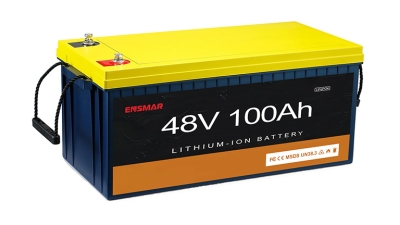
A standout product in this landscape is the ENSMAR Gaea-series 48V edition. This battery has been designed with exceptional features that cater specifically to users' needs for durability and efficiency. Its large capacity per unit weight coupled with high discharge power ensures that energy demands are met efficiently, particularly in high temperature and high heat environments. With rapid charging capabilities and a discharge profile that remains consistent until depletion, the Gaea-series significantly reduces energy waste, optimizing usage in both residential energy storage and commercial applications.

Moreover, the ENSMAR Gaea-series is engineered for safety, being impact-proof and rigorously tested to withstand heavy external shocks without the risk of explosion. This combination of features not only enhances the battery's reliability but also aligns perfectly with the growing demand for sustainable and safe energy solutions in an ever-evolving energy market. The choice of advanced materials and designs in products like the Gaea-series underscores a commitment to maximizing energy efficiency while ensuring safety across varying applications.

FAQS

: What is driving the growth in demand for residential energy storage systems?

: The global demand for residential energy storage is projected to reach 24 GWh by 2025, highlighting a significant surge in innovation and interest in home battery backup systems.

How do Chinese manufacturers compare to established leaders in the home battery sector?

Chinese manufacturers like CATL and BYD are rapidly gaining recognition for their cost-effective and advanced technology, leading to a competitive landscape with established leaders like Tesla and LG Energy Solution.

What is a critical aspect of comparing battery manufacturers?

Quality assurance is crucial, as safety and reliability are paramount in the home battery backup sector. Although global leaders have traditionally set the standard, Chinese firms are closing the gap with international certifications and improved production practices.

How has BYD improved its production quality?

BYD has reported an 80% reduction in production defects through increased automation and rigorous testing protocols.

What tips should consumers consider when selecting a home battery backup system?

Consumers should take into account warranty terms, customer service support, and the scalability of the system to accommodate future energy needs. Compatibility with solar installations can also enhance energy independence.

What are some best practices for implementing home battery storage solutions?

Best practices include selecting high-quality lithium storage systems, utilizing innovative technologies like advanced microinverters, and fostering community awareness and education regarding home battery solutions.

Why is fostering community awareness important for adopting home battery solutions?

Sharing insights and experiences within communities helps create a support network, empowering individuals to make informed decisions about home battery systems.

How do advanced technologies improve home battery storage systems?

Integrating innovative technologies allows homeowners to maximize the output of their solar installations, enabling reduced reliance on conventional power sources and enhancing overall energy efficiency.
Aria

Aria

Aria is a dedicated marketing professional at Shenzhen Zhauzhi Technology Co., Ltd., where she plays a pivotal role in promoting the company's innovative products. With a high level of expertise in the tech industry, she excels in creating engaging and informative blog content that not only......
Previous Ultimate Car Jump Starter Features You Did Not Know About 2023