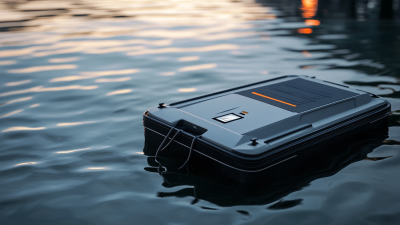
You know, as more and more people are really pushing for sustainable ways to get around, electric boats are starting to look like a pretty big deal in how we reshape the maritime world. I came across this report from Allied Market Research — they’re saying the electric boat market might hit around $6.3 billion by 2027, growing at roughly 10.8% every year. That’s pretty significant, and it just shows how important advanced batteries are becoming — they’re the key to making these vessels more efficient and go farther. Companies like Shenzhen Ensmar Technology Co., Ltd. are really leading the charge here. They’re focused on creating innovative lithium energy storage solutions, specifically for marine use, which fits perfectly with the industry’s move toward greener options. Honestly, the whole evolution of Electric Boat Battery tech isn’t just about cutting emissions — it’s also opening up new possibilities for using sustainable energy in different sectors, which is pretty exciting, don’t you think?
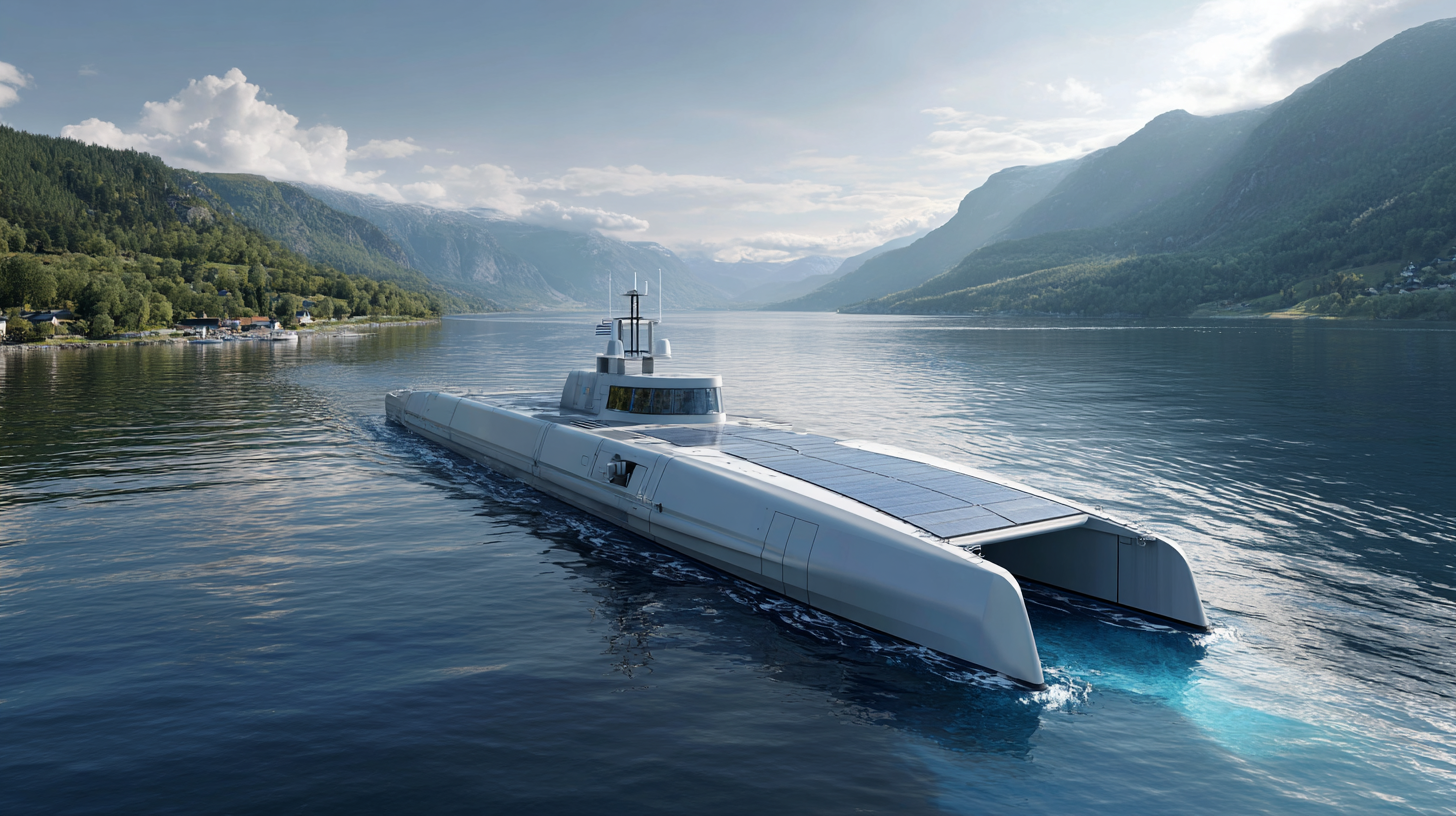
Current Landscape of Electric Boat Battery Technologies
The world of electric boat batteries is changing pretty quickly these days. There’s a real push for more sustainable marine solutions, and new energy storage tech is popping up all the time. Lithium-ion batteries are still the go-to choice for electric boats because they pack a lot of power without being too heavy. They're great for longer trips and help cut down on the environmental mess that traditional fuel engines tend to leave behind. Plus, there’s some exciting stuff on the horizon — like solid-state batteries, which could make boats safer and more efficient. Honestly, these advances might just shake up the boating scene quite a bit down the line.
It’s not just about better batteries, though. The whole charging setup is getting smarter and faster, which is a big deal because it means boaters might finally ditch fuel engines for good. And researchers are looking into other options too — things like sodium-ion or flow batteries — which could be cheaper and more eco-friendly. All these innovations mean we're headed toward a future where electric boats will be more powerful, more reliable, and kinder to the planet. It’s pretty exciting to see how things are unfolding, and I think the choices for electric boat batteries will just keep getting better and more diverse as time goes on.
Comparative Analysis of Lithium-ion vs. Solid-State Batteries
When it comes to electric boats, the evolution of battery tech is actually a pretty big deal, especially for folks around the world trying to keep up with the booming marine electrification trend. If you look at the matchup between Lithium-ion and Solid-State batteries, you can really see some major differences in how they perform, their safety levels, and how long they last. So, according to a report from BloombergNEF, the global market for lithium-ion batteries is expected to grow at a pretty impressive rate—about 30% annually from 2020 to 2025. That growth is mostly thanks to how widely these batteries are used in electric cars and boats. They pack a punch with an energy density somewhere around 150-250 Wh/kg, which is enough juice for a lot of electric boats out there.
Now, on the flip side, Solid-State batteries are kind of the new kids on the block, but they’re definitely worth paying attention to. Instead of using a liquid electrolyte like lithium-ion batteries, they use a solid one. This change could potentially double the energy density, pushing it up to around 500 Wh/kg. Basically, that means longer trips without needing to recharge as often—nice, right? Plus, a recent report from the International Energy Agency points out that Solid-State batteries are safer too, with much lower risks of fires or thermal runaway—that’s a big deal when you think about safety. As everyone fights to be the top dog in battery tech, boat makers really need to consider these differences carefully. They’ve got to choose what best fits the eco-conscious customers who are looking for smarter, safer, and longer-lasting batteries for their boats.
Performance Metrics: Range, Charging Time, and Lifespan
As the electric boat scene keeps evolving, there are a few key things folks are paying attention to: how far they can go (range), how quick they can recharge, and how long the batteries last. A recent report from the International Council on Clean Transportation mentions that now, thanks to some pretty cool upgrades in lithium-ion batteries, electric boats can cruise up to 100 nautical miles on a single charge — which is pretty impressive! Manufacturers are really pushing to pack more energy into the same space, making batteries that hold more power without adding extra weight. That’s a big deal because it means longer trips without sacrificing speed or performance.
Now, charging times are also a big deal when people are thinking about jumping into electric boats. The good news? There are chargers out there that can boost your battery up to 80% in about half an hour if you’re in a rush. And it looks like things are only getting faster. The National Renewable Energy Laboratory is saying that in just a couple of years, we could see batteries that recharge in less than 15 minutes — talk about quick turnaround for boaters looking to get back on the water.
One thing to keep in mind: how long your batteries will last. Usually, high-quality lithium-ion batteries will serve you well between 8 and 15 years, and you’ll find warranties that back up this lifespan. It’s a good idea to look for boats with batteries that have smart thermal management systems — these prevent overheating and help prevent the batteries from degrading too quickly. Not only does this mean better performance over time, but it also makes electric boating a more sustainable and reliable option overall.
Environmental Impact: Sustainability in Battery Manufacturing
As the electric boat industry keeps growing, the whole issue of sustainable battery manufacturing is becoming a pretty big deal. You know, most modern electric boats use lithium-ion batteries, but recent studies show that making these batteries can actually take a toll on the environment. For example, the International Energy Agency has pointed out that extracting and processing lithium can drain water resources and release greenhouse gases. So, it’s really clear that we need to start doing things more sustainably along the supply chain.
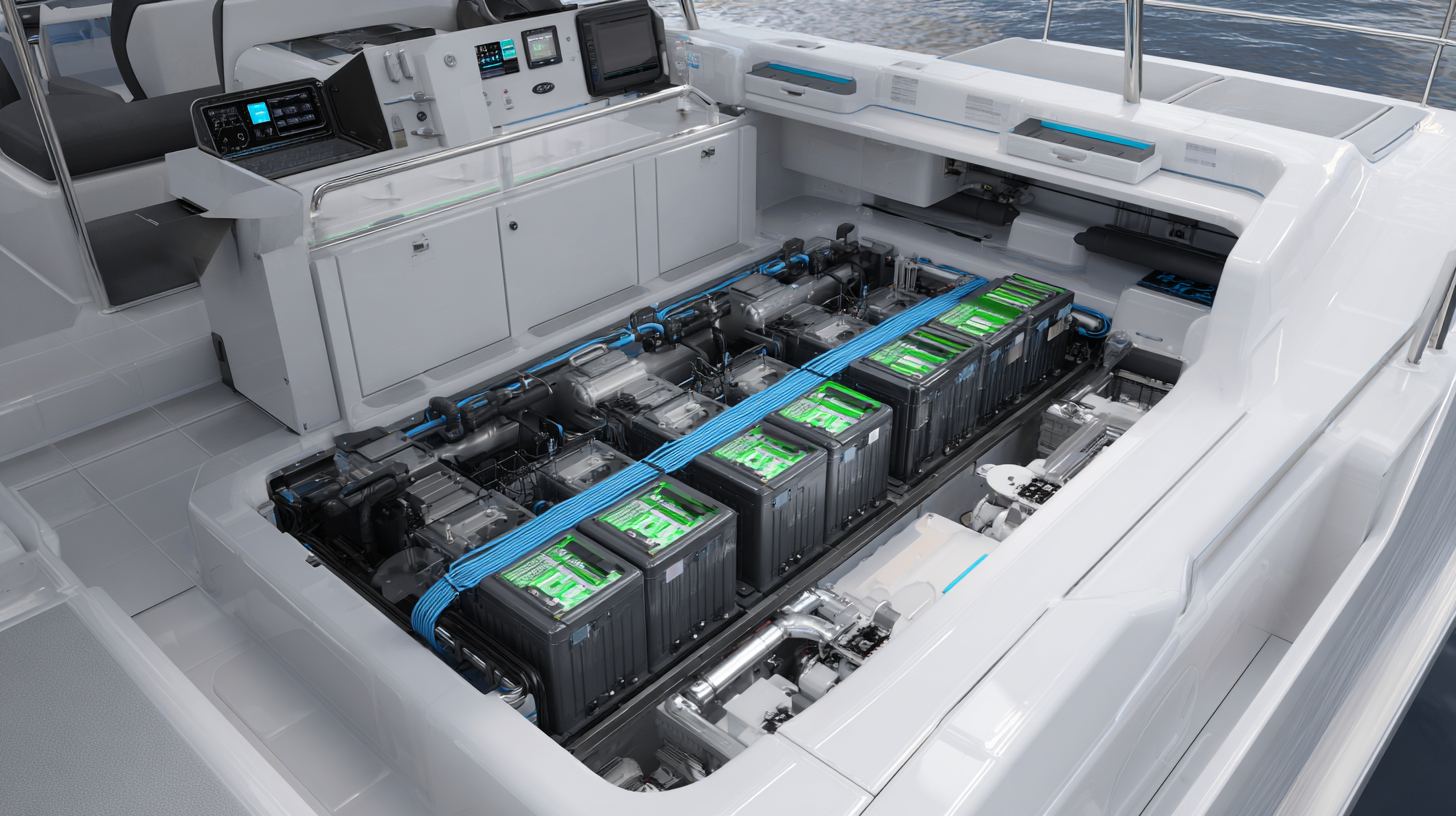
To tackle these challenges, more and more companies are now looking into recycled materials and different types of batteries. A BloombergNEF report even mentions that by 2030, the global market for battery recycling could hit around $18 billion — that’s a sign people are serious about going green. Plus, there are some pretty exciting innovations like sodium-ion batteries, which could help reduce our dependence on rare lithium supplies. As manufacturers get better at making processes more efficient and invest in greener tech, I think we’re heading toward a future where electric boat batteries are not just powerful, but also kind to the environment. It’s an ongoing journey, but at least it’s pointing in the right direction.
Cost Considerations for Electric Boat Battery Systems
Looking ahead, the future of electric boat batteries really depends a lot on costs — that’s a big deal for folks around the world who want to invest in greener marine options. Sure, we’ve seen some pretty impressive strides with high-performance lithium-ion batteries, and that’s definitely pushed electric boating forward. But let’s be real — the price tag still turns some people off. Prices keep shifting because raw material costs go up and down, so manufacturers are in a bit of a race to find ways not just to make batteries better, but also to cut down on production costs. Things like economies of scale and better recycling methods could help bring prices down, making electric boats more within reach and more appealing to buyers.

On top of that, people are starting to look at the total cost of owning an electric boat — not just what you pay upfront. They’re thinking about maintenance, the charging infrastructure, and how long the battery lasts. As renewable energy gets more integrated into the marine world, running these boats should get cheaper over time. Ultimately, understanding the long-term costs will be super important for buyers trying to figure out if switching to electric makes sense for them. It’s exciting, because this market is changing fast, and it’s heading toward a more sustainable and budget-friendly future in marine travel.
Future Trends: Innovations on the Horizon for Global Markets
You know, as more folks are getting interested in electric boats—probably because everyone’s looking for greener ways to enjoy the water—the tech behind batteries is really taking off. I came across a recent report from Allied Market Research, and it’s pretty exciting: the global market for electric boats is expected to hit around $23.5 billion by 2026, growing at about 12.4% each year. That just shows how both consumers and manufacturers are getting more into switching to cleaner, more sustainable options, thanks to quick progress in battery life and efficiency.
One of the coolest trends coming up is solid-state batteries. Experts say these could boost energy density by as much as 50% compared to our usual lithium-ion batteries. That’s huge because it means longer trips and better performance on the water. Companies like QuantumScape are really pushing the envelope here, so we might see these batteries becoming commercially available in just a few years. And with faster-charging tech and smarter battery management systems, boat owners will be able to get back on the water way quicker.
All in all, these innovations could totally change how we think about marine travel—making it not just more eco-friendly, but also more accessible and fun for everyone.
FAQS
: Lithium-ion batteries are the dominant choice due to their high energy density and low weight, essential for longer voyages and minimizing environmental impact.
Solid-state batteries are on the horizon, offering potential improvements in safety and efficiency that could revolutionize electric boating.
Smart charging infrastructure allows for faster and more efficient recharging, making it easier for boaters to transition from traditional fuel sources.
Ongoing research is focused on sodium-ion and flow batteries, which may offer cost-effective and environmentally friendly options.
Cost is a critical barrier for potential users, with fluctuating raw material prices impacting the affordability of high-performance batteries.
Buyers should evaluate not only the initial purchase price but also maintenance, charging infrastructure, and the lifespan of the battery.
Economies of scale and improved recycling processes could help reduce manufacturing costs, making electric boats more accessible to buyers.
As renewable energy sources become more integrated, operational costs associated with electric boats are anticipated to decrease.
Understanding these impacts will help buyers navigate their options, contributing to a more sustainable and cost-effective future in marine transportation.
Conclusion
Looking ahead, the future of electric boat batteries is pretty exciting, with lots of potential for big changes. A lot of this progress is driven by what the market wants—and of course, by concerns about the environment. Right now, lithium-ion batteries are pretty much the main players, but solid-state batteries are starting to gain traction too. Both have their perks—like better range, faster charging, or longer lifespan—but it’s worth thinking about how green these technologies really are. After all, sustainable manufacturing practices are super important, especially as we try to cut down on carbon emissions worldwide.
Of course, price is still a big deal when it comes to getting more folks to adopt these batteries. Luckily, there are some pretty exciting innovations coming up that could make electric boat batteries not just more efficient but also cheaper. Companies like Shenzhen Ensmar Technology are leading the charge, working on advanced lithium energy storage solutions for all sorts of industries, including the booming electric boat scene. As these techs continue to improve, we can expect to see more reliable, eco-friendly battery options hitting the market pretty soon—and that’s pretty good news for everyone who cares about greener boating.