You know, the automotive world is really on the verge of some big changes — we're talking about a total game-changer thanks to new battery tech leading the way. Electric vehicles (EVs) are basically taking over the market, and honestly, the need for smarter energy solutions has never been greater. I mean, according to the International Energy Agency, there were over 10 million electric cars around the globe in 2020, and that number is expected to skyrocket to around 145 million by 2030. That kind of growth pretty much demands advancements in battery performance — and that’s where Battery Boosters come into play. These clever innovations help improve energy storage and boost vehicle performance, so car makers can keep up with folks wanting longer drives and faster charging. And speaking of big players in the field, Shenzhen Ensmar Technology Co., Ltd. is really leading the charge. They’re focusing on lithium energy storage solutions that are literally changing how we think about transportation. By creating top-notch energy systems, ENSMAR is not just helping us move towards a more sustainable future, but also shaping solutions for all kinds of industries and pushing forward renewable energy efforts.
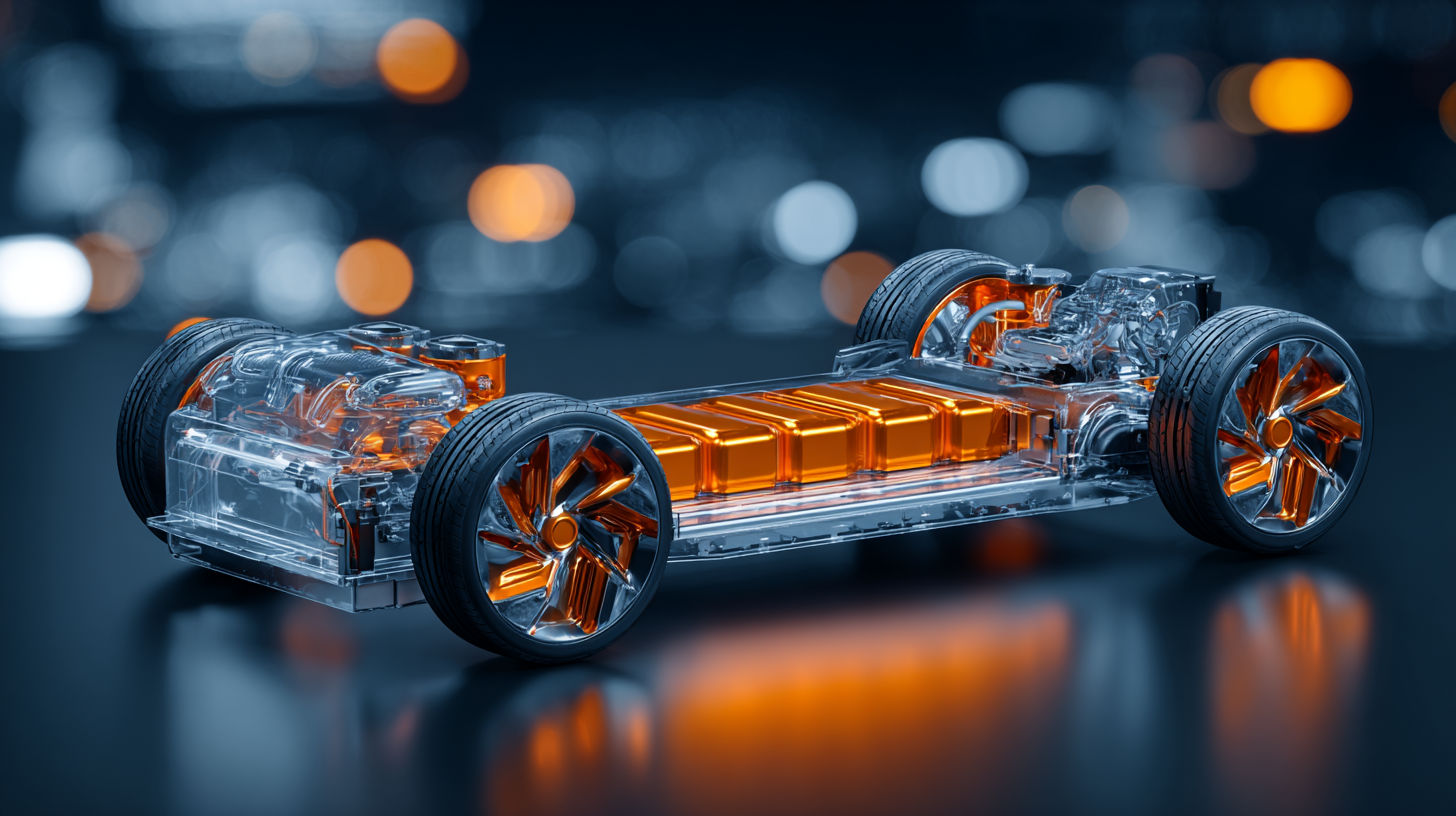
The Impact of Advanced Battery Technologies on Electric Vehicle Range Enhancements
Hey, have you noticed how the auto industry is really shaking things up with all these electric vehicles? It's pretty exciting, mainly because of the awesome breakthroughs we're seeing in battery tech. Industry insiders expect that by 2030, we'll be seeing over 25 million EVs hitting the roads each year. A big part of that push is thanks to newer, better batteries that help cars go farther on a single charge. For companies like Shenzhen Ensmar Technology, which focus on lithium energy storage solutions, this isn’t just a golden opportunity — it’s also about stepping up to meet the changing needs of the market.
You know, as these advanced batteries keep coming out, it’s pretty clear that boosting energy density really can make a huge difference. For example, solid-state batteries are looking like they could give you over 300 miles on one charge — almost twice as far as your typical lithium-ion. That’s a big deal because range anxiety—people’s worry about running out of juice—has been one of the big hurdles in getting more folks to switch over to EVs.
A little tip: If you're into optimizing your energy storage setups, it’s worth looking into cool tech like advanced thermal management. It helps batteries last longer and perform better, especially when the weather isn’t cooperating. Also, keeping an eye on new battery chemistries like lithium-sulfur or lithium-iron-phosphate could be a game-changer—they offer safer options and can last longer, keeping the EV revolution on the fast track.
Comparative Analysis of Solid-State Batteries vs. Traditional Lithium-Ion Solutions
You know, as the car industry is shifting gears towards more sustainable energy options, folks are really debating whether solid-state batteries are the future or if we should stick with the good old lithium-ion tech. So, here’s the scoop: solid-state batteries use a solid electrolyte instead of the liquid one in regular lithium-ion batteries. That might mean they're safer, pack more energy, and could give us cars that go farther and charge up faster—pretty important perks when everyone’s looking for better options in this competitive market, right?
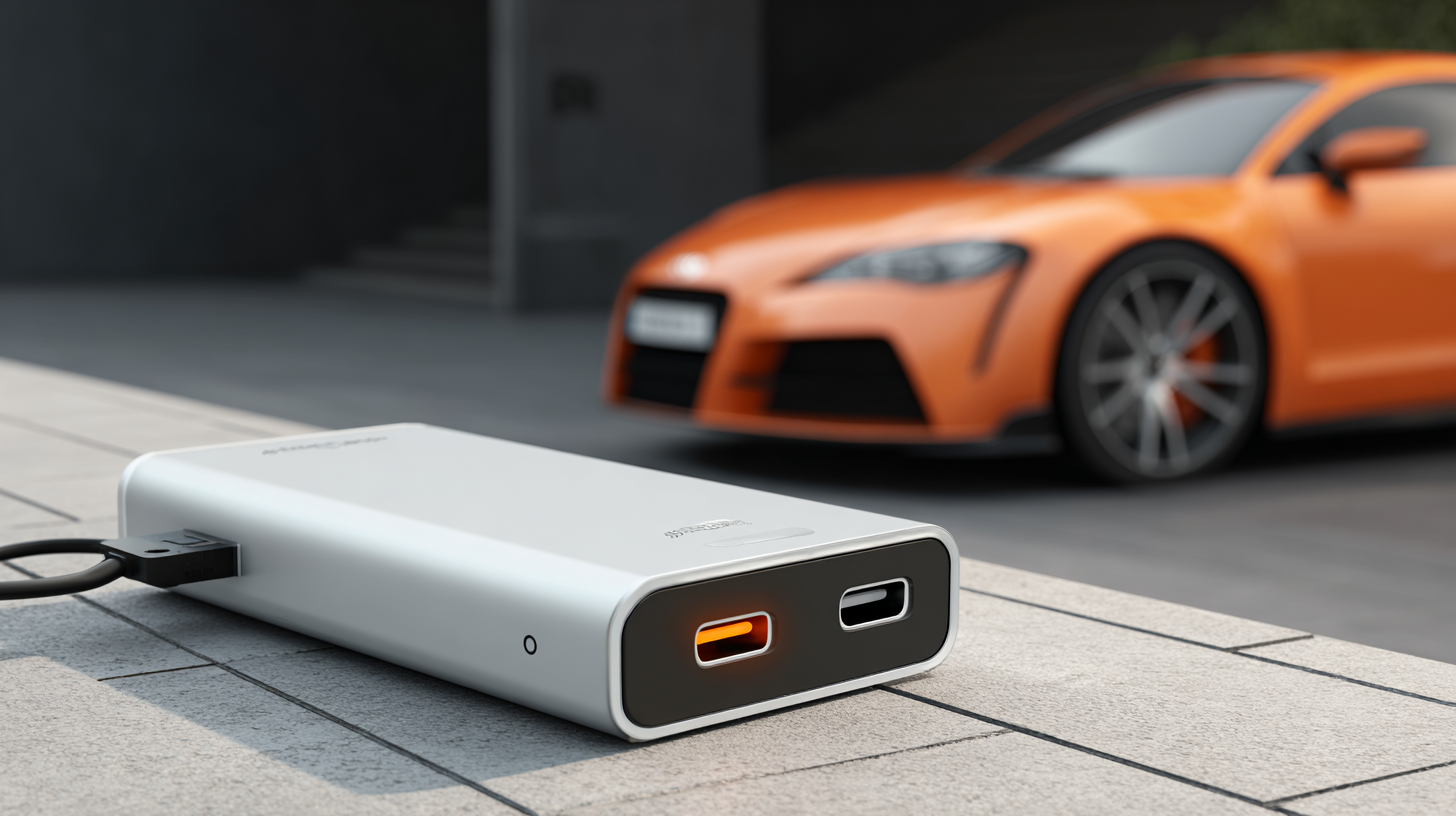
On the flip side, lithium-ion batteries have been around, well, forever. They’re proven, reliable, and the supply chains are well-established—automakers know them inside out. But, of course, they’re not perfect. We’ve run into issues like overheating and gradual wear and tear. That’s pushing folks to get excited about solid-state tech because it might dodge some of these problems. And as manufacturing gets better and new materials are discovered, I honestly think we'll see a big shift. Solid-state batteries are likely to play a huge role down the road, making EVs safer and more efficient—stuff that we consumers are really starting to expect more and more of these days.
The Role of Battery Management Systems in Optimizing Performance and Safety
You know, the automotive world is really changing right now, mainly because of how battery tech is improving. And one of the key players in this shift? Battery management systems, or BMS for short. These systems are pretty much the unsung heroes—they make sure every single cell in your EV’s battery is working within safe limits. That way, you get the best mix of performance and longevity, which, in turn, makes your ride more efficient. They’re constantly keeping an eye on things like voltage, current, and temperature—so when things start to overheat or get overcharged, the BMS kicks in to prevent any accidents or battery damage. Pretty smart, huh?
**Pro tip:** If you want your electric vehicle to keep running smoothly, don’t forget to update the BMS firmware from time to time. Car makers often release updates to fix bugs or improve how the battery is managed—little things that can really boost efficiency and safety.
On top of that, BMS plays a big part in eco-friendly tech by helping integrate renewable energy sources. It manages how power flows between your battery, the electric motor, and those regenerative braking systems—that’s the tech that recovers energy while you brake. All of this means your car can go further on a single charge and helps cut down on emissions.
**Another tip:** Just make sure you follow your vehicle’s maintenance guidelines for the battery. Keeping up with these helps your BMS run at its best, which means better safety and a longer-lasting battery overall.
The Future of Battery Booster Innovations Shaping the Automotive Industry
| Innovation Type | Description | Impact on Performance | Safety Enhancements | Market Adoption Potential |
| Solid-State Batteries | Utilizes solid electrolytes instead of liquid ones. | Higher energy density and faster charging times. | Reduced risk of leaks and fires. | High, expected adoption in the next 5-10 years. |
| Battery Management Systems (BMS) | Monitors and manages battery performance and safety. | Optimizes charging cycles, enhancing lifespan. | Identifies potential issues before they escalate. | Moderate, widely implemented in existing systems. |
| Fast Charging Technologies | High-power charging solutions to reduce downtime. | Significantly decreases charging time. | Maintains battery integrity during quick charges. | High, rapidly gaining traction in urban settings. |
| Recycling and Reuse Innovations | Tech for efficient battery recycling. | Promotes sustainable battery use. | Reduces environmental hazards from disposal. | Growing, with increasing regulations on waste. |
| Wireless Charging | Inductive charging technology to eliminate plug-ins. | Improves user convenience and accessibility. | Enhances safety by reducing physical connections. | Moderate, with potential for smart city integration. |
Innovations in Fast-Charging Solutions: Reducing Downtime for Electric Vehicles
You know, advancements in fast-charging tech are really shaking up the electric vehicle world. As more car makers jump on the EV bandwagon, cutting down the time it takes to recharge is becoming a big deal. These days, we're seeing ultra-fast chargers that can top off your EV in just about 15 minutes — pretty awesome, right? That kind of efficiency isn’t just about convenience; it really makes EVs more appealing, especially as the competition heats up.
Plus, there are some pretty cool innovations popping up, like mobile fast-charging units and smart charging stations, which are helping tackle the whole infrastructure challenge. It’s also exciting to see collaborations between green energy companies that are pushing things forward quickly. As consumer habits shift, it’s clear that industry folks need to jump on these new technologies if they want to stay relevant.
**Pro tip:** When you're thinking about buying an EV, definitely check out the charging stations around your area—see how many are fast chargers, and find out if any plans are in the works for expanding infrastructure. Staying in the loop with the latest in charging tech can really help you make smarter choices that fit your everyday driving needs.
The Evolution of Fast-Charging Solutions for Electric Vehicles
This graph illustrates the advancements in fast-charging technologies over the past few years. The data represents the average charging speed (in kW) for various fast-charging solutions used in electric vehicles (EVs). As innovations in battery boosters emerge, we anticipate significant reductions in downtime for EVs.
Sustainability Metrics: Evaluating the Environmental Impact of New Battery Manufacturing Processes
The auto industry is really going through a major shake-up right now, thanks to some pretty exciting new battery tech. As more electric cars hit the roads, it’s super important to look at how sustainable their manufacturing processes are. These metrics give us a peek into the environmental impact — from pulling out resources all the way to dealing with waste — making sure we’re not messing up the planet just to keep up with the tech advances.
When you're checking out these sustainability scores, things like how much carbon gets emitted, how much energy is used, and how easily batteries can be recycled are all worth paying attention to. Some of the newer innovations, like lithium-sulfur or solid-state batteries, show real promise for cutting down energy costs and keeping things greener. And if factories can rely more on renewable energy during production, that’s a huge plus — it can seriously cut down emissions.
Pro tip: try to support brands that really care about eco-friendly practices and use sustainable materials. Buying from companies that are open about their goals helps push the whole industry to get more responsible. If you stay in the loop with these trends, you can make smarter choices that match your values and help support a cleaner, greener future for cars.
Future Trends: Predictions for Battery Booster Developments in the Next Decade
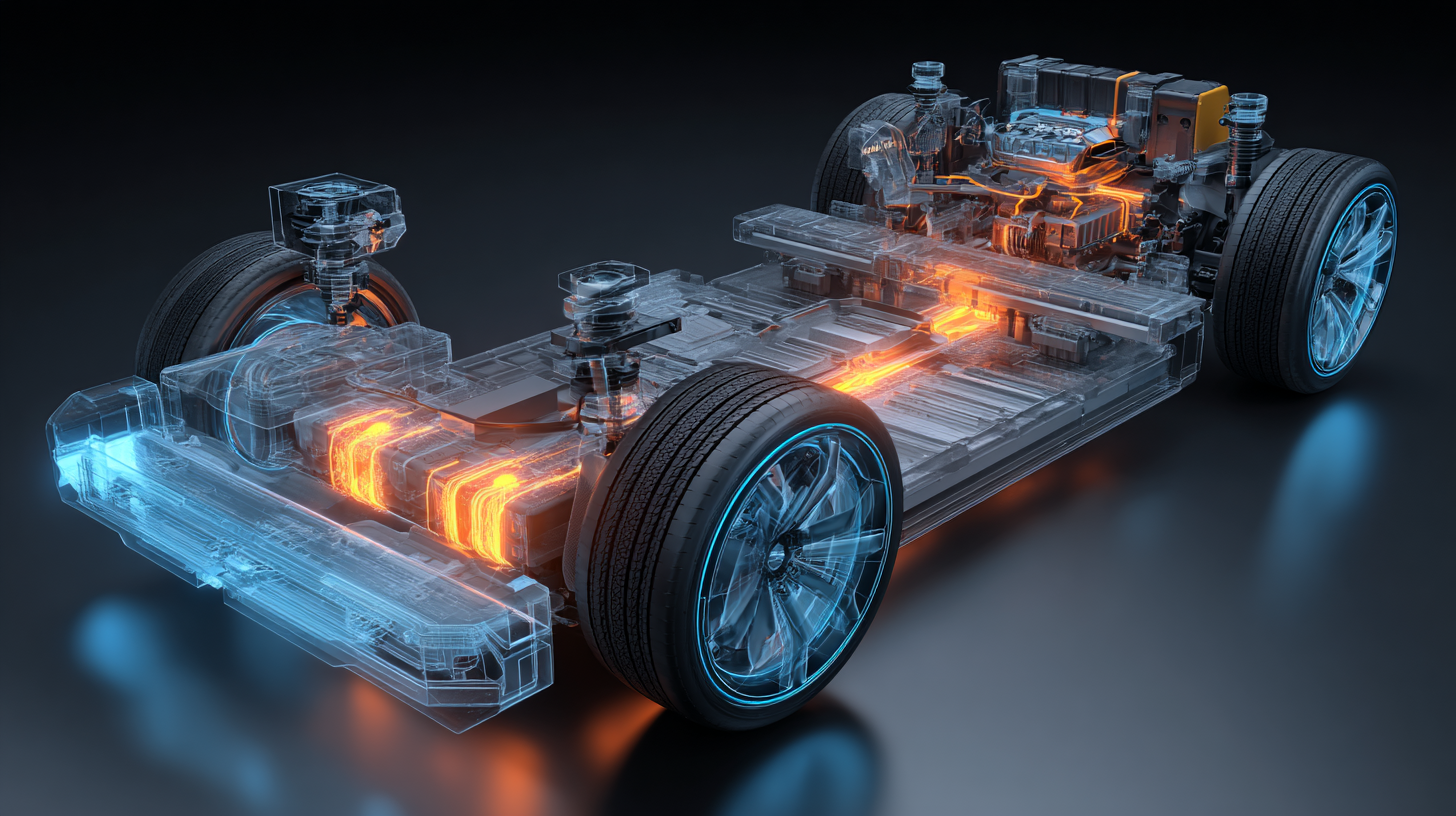
Looking ahead to where battery booster tech is headed, it's pretty clear that the automotive world is on the verge of some serious changes. Experts are saying that the global market for Battery Storage inverters is expected to hit around $7.59 billion in 2024. And from there, things are only getting bigger — estimates suggest it’ll grow from $8.45 billion in 2025 all the way up to a staggering $15.32 billion by 2032. That kind of growth really shows just how vital battery tech is going to be for the future of electric cars and renewable energy integration.
As the auto industry shifts towards electric vehicles, it's more important than ever for manufacturers to stay ahead of the game when it comes to new battery tech. Investing in smarter inverter systems that boost efficiency and storage capacity is definitely a smart move.
**Tip:** Maybe consider teaming up with innovative tech companies that focus on energy storage solutions — it could help you stay competitive and push the boundaries.
Plus, there's this big push for sustainability that’s leading to cool innovations in battery management systems. These systems do a great job of fine-tuning charging cycles and even making batteries last longer, which makes EVs more attractive to buyers.
**Tip:** Put some effort into R&D to develop new materials that ramp up battery performance while also being eco-friendly — that’s gonna be a big plus for future market demands.
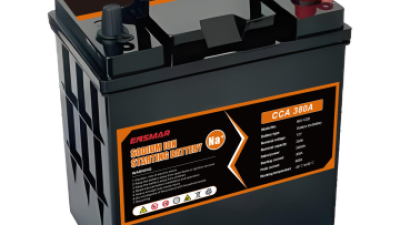
Maximizing Vehicle Performance: Insights from Recent Industry Reports on the JIS 20Ah 380A CCA Sodium 12V Car Starting Battery
In the quest for maximizing vehicle performance, the choice of starting battery plays a critical role. Recent industry reports on the JIS 20Ah 380A CCA Sodium 12V car starting battery indicate significant advancements in battery technology, particularly with the introduction of sodium-ion solutions. These next-generation batteries not only promise improved starting power but also address environmental concerns that traditional lead-acid batteries have long faced.
The ENSMAR BIO-series, a standout in this category, brings forth the benefits of sodium-ion technology. With an impressive 10-year lifespan and up to one year of standby time, these batteries are designed for longevity and reliability. Car owners who prioritize performance without sacrificing sustainability will appreciate the high safety standards maintained by these sodium-ion batteries, comparable to their lead-acid counterparts. Moreover, their capacity to perform effectively in extreme cold conditions ensures that your vehicle is always ready, no matter the weather.
As the automotive industry evolves, embracing innovative technologies like sodium-ion batteries reflects a growing trend towards eco-friendly solutions. The ENSMAR BIO-series is increasingly becoming the preferred choice for those who seek a powerful and environmentally responsible alternative in their vehicles. With such advancements, maximizing vehicle performance is not just about power output, but also about making smarter, sustainable choices for the future.
FAQS
: The global electric vehicle market is expected to exceed 25 million units annually by 2030, mainly driven by advancements in battery technologies.
Advanced battery technologies, particularly solid-state batteries, can significantly increase energy density, allowing for ranges over 300 miles on a single charge, thus addressing range anxiety for consumers.
Solid-state batteries use a solid electrolyte, offering enhanced safety and energy density, leading to greater range and shorter charging times, while traditional lithium-ion batteries are more established but face issues like thermal runaway and degradation.
The global battery storage inverter market is set to be valued at approximately $7.59 billion in 2024, with significant growth expected thereafter.
Battery management systems optimize charging cycles and extend battery lifespan, which enhances the appeal of EVs to consumers and supports sustainable practices.
Manufacturers can stay competitive by investing in advanced inverter systems, exploring partnerships with tech companies specializing in energy storage solutions, and focusing on research and development to enhance battery performance.
Emerging battery chemistries such as lithium-sulfur and lithium-iron-phosphate promise enhanced safety and improved cycle life, contributing to the growth of the EV market.
Advanced thermal management technologies can maximize the efficiency, lifespan, and performance of energy storage systems, particularly in various climatic conditions.
The market for battery storage inverters is projected to grow from $8.45 billion in 2025 to $15.32 billion by 2032, indicating the critical role of battery technology in the evolution of EVs.
Conclusion
The automotive world is changing pretty fast right now, mainly thanks to some really exciting innovations in battery tech that could totally change how electric vehicles perform and how efficient they are. You’ve probably heard about advanced battery options like solid-state batteries — they actually beat traditional lithium-ion batteries in a bunch of ways, like giving you more range and being safer to use. Plus, with smarter battery management systems, everything runs smoother and the batteries last longer. And let’s not forget the quick-charging tech — it’s all about cutting down the waiting time so EV drivers can get back on the road faster.
Looking ahead, it's clear that future improvements in how batteries are made will also focus more on being environmentally friendly. Companies like Shenzhen Ensmar Technology Co., Ltd. are really pushing the envelope here — they’re creating some seriously innovative lithium energy storage solutions that serve all kinds of industries, from renewable energy to telecom. As we head into the next decade, it’s pretty exciting to see how these battery booster tech trends are going to shape the future of the automotive industry — things are definitely heating up!