Leave Your Message
0%

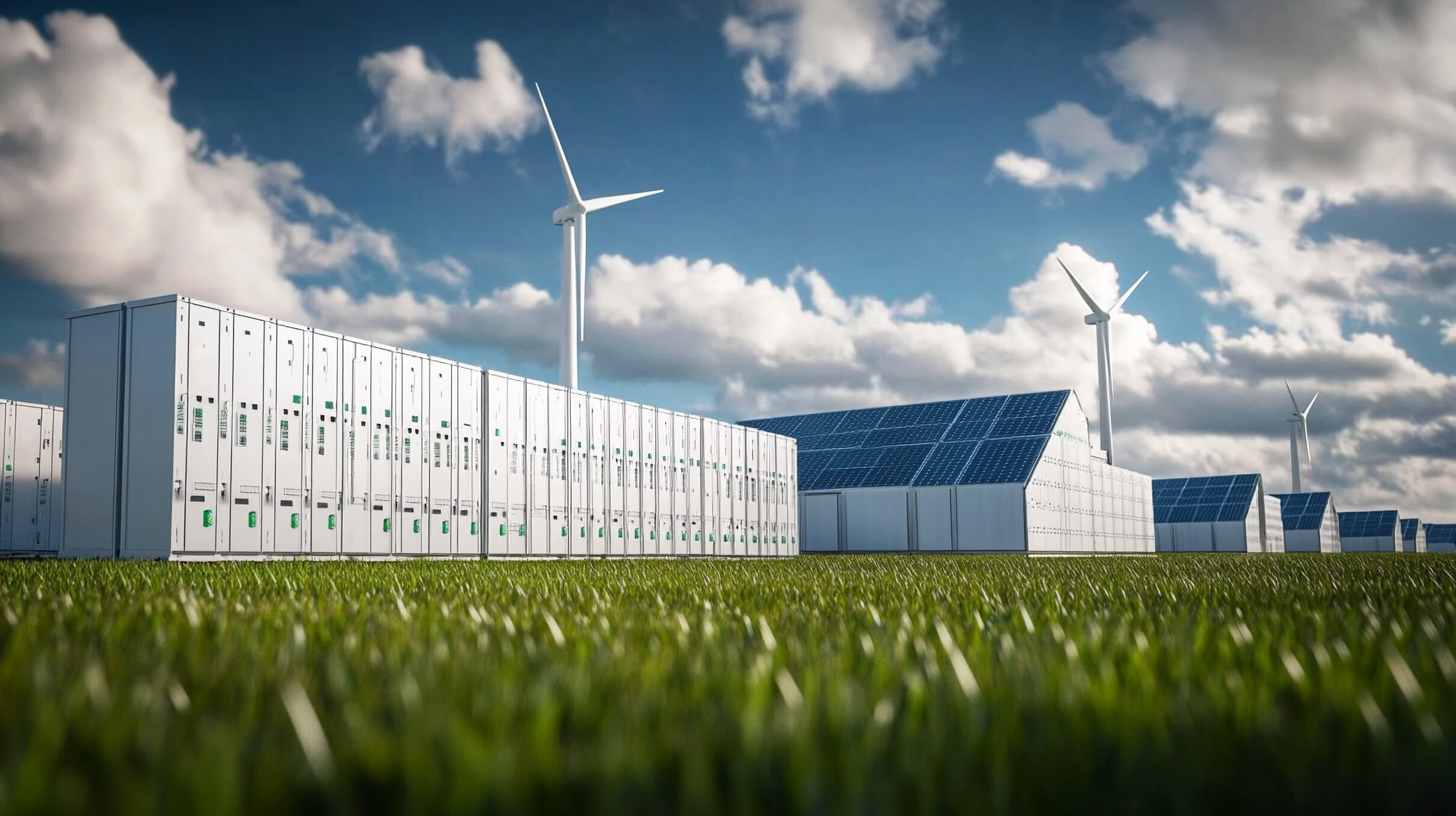
In an era where energy sustainability is becoming increasingly critical, the demand for effective Energy Storage Battery solutions is skyrocketing. According to a report by the International Energy Agency (IEA), global energy storage capacity is projected to reach 1,000 GWh by 2030, driven largely by the rise of renewable energy sources and the need for grid stability. Shenzhen Ensmar Technology Co., Ltd. stands at the forefront of this transformative industry, providing innovative lithium energy storage solutions tailored to diverse applications. As the adoption of renewable energy technologies continues to increase, industries such as telecommunications and power management are increasingly turning to advanced energy storage systems to enhance efficiency and reliability. This definitive guide explores the various alternatives in energy storage battery technologies, enabling businesses and individuals to make informed decisions tailored to their specific needs.
The Definitive Guide to Choosing the Best Energy Storage Battery for Your Needs

Understanding Different Types of Energy Storage Batteries Available Today

When selecting an energy storage battery, it's essential to understand the various types available today. Lithium-ion batteries dominate the market due to their high energy density and efficiency. According to a report by the International Energy Agency (IEA), the capacity of lithium-ion batteries has increased by nearly 35% annually over the past decade, making them the go-to choice for both residential and commercial applications. However, alternatives like lead-acid and flow batteries are also worth considering, particularly for specific use cases such as large-scale energy storage or applications requiring long discharge times.

**Tip:** When evaluating battery types, prioritize your specific needs. If rapid charge and discharge rates are essential, lithium-ion may be your best bet. Conversely, if cost-effectiveness and longevity are more critical, lead-acid batteries could be suitable.

Beyond lithium-ion and lead-acid, emerging technologies like solid-state batteries and sodium-ion batteries are gaining traction. A recent market analysis predicts that the solid-state battery market will reach $7.0 billion by 2027, driven by advancements in technology and a growing demand for safer, more efficient energy storage solutions. As these new technologies develop, they may provide even more options tailored to energy storage needs.

**Tip:** Keep an eye on industry trends and new technologies, as they can significantly affect your options and potential savings in the long run.

Key Factors to Consider When Selecting an Energy Storage Battery

When selecting the best energy storage battery for your needs, several key factors should guide your decision. First and foremost is the battery technology itself. Currently, options such as lithium-ion, sodium-ion, and flow batteries are at the forefront. The global flow battery market is projected to grow significantly, with a value of approximately $323.3 million in 2024, and an estimated compound annual growth rate (CAGR) of 6.99% from 2025 to 2032, potentially reaching $564.91 million by the end of the forecast period.

Another crucial factor is the Battery Management System (BMS). A robust BMS ensures safety, optimization, and longevity of your energy storage solution. This system monitors the health of the battery, balances the charge across cells, and protects against overcharging and deep discharging, which can significantly extend the lifespan of your battery and enhance its performance.

Tips:Consider how you will use the Battery Storage—whether for residential, commercial, or utility-scale applications—as this affects the choice of technology. Additionally, stay informed about innovations in battery chemistry, such as advancements in sodium-ion batteries, which may offer a sustainable alternative and reduce reliance on critical materials sourced predominantly from certain countries. With these factors in mind, you can make a more informed decision that aligns with your energy storage goals.
The Definitive Guide to Choosing the Best Energy Storage Battery for Your Needs

Assessing Your Energy Needs: How to Calculate Storage Requirements

When considering energy storage solutions, it’s essential to first assess your energy needs accurately. Calculating your storage requirements involves understanding your energy consumption patterns, peak usage times, and the specific applications you plan to support. For instance, if you have an array of IoT devices, you’ll want to determine their collective energy demand and how often they will require recharging. This assessment enables you to explore the best battery technologies that align with your unique requirements, ensuring optimal performance and longevity.

As technology advances, new innovations, such as energy harvesting techniques connected to IoT, present exciting possibilities for energy storage. While traditional batteries may seem like an ideal option, their adaptability for tiny, portable devices can be limited. Therefore, as you evaluate your storage needs, consider both the capacity and the physical size of the battery solutions available. Understanding these factors is crucial in making informed decisions about energy storage that accommodate future developments in energy demand and device connectivity.

Comparing Cost, Lifespan, and Efficiency of Popular Battery Options

The Definitive Guide to Choosing the Best Energy Storage Battery for Your Needs When selecting the best energy storage battery, understanding the cost, lifespan, and efficiency of various battery options is crucial. Lithium-ion batteries are at the forefront due to their high energy density and relatively low self-discharge rates, making them the most efficient choice for many residential applications. However, the initial investment can be significant, which makes analyzing the long-term benefits essential. With a lifespan of 10 to 15 years, lithium-ion batteries offer excellent performance, especially in scenarios where frequent charge and discharge cycles are expected.

On the other hand, lead-acid batteries remain popular for their lower upfront costs. They are widely used in situations that don't require the same energy density as lithium-ion batteries. However, they come with shorter lifespans, typically lasting 3 to 5 years, which can ultimately increase the total cost of ownership. Additionally, newer alternatives like flow batteries present a promising balance of cost and lifespan, featuring longer life cycles of up to 20 years but often at a higher price point. Comparing these factors can help you make an informed decision tailored to your energy storage needs.

Understanding the Environmental Impact of Energy Storage Solutions

When selecting an energy storage battery, it’s crucial to consider not only performance and cost but also the environmental impact of the chosen solution. Traditional batteries, such as lead-acid, have significant ecological drawbacks due to their toxic components and the pollution generated during their production and disposal. In contrast, newer technologies, like lithium-ion and solid-state batteries, offer improved efficiency and reduced harmful emissions. However, they still come with their own environmental challenges, such as resource extraction and recycling issues.

Additionally, the lifecycle of energy storage systems must be evaluated. A comprehensive understanding of how batteries are manufactured, used, and ultimately disposed of is essential for making an informed decision. Many manufacturers are now adopting sustainable practices, aiming for recyclable materials and minimizing carbon footprints throughout the production process. Choosing a battery that aligns with eco-friendly initiatives can significantly mitigate environmental harm while also supporting a transition to cleaner energy solutions. By prioritizing sustainability in your energy storage choice, you contribute to a greener future for our planet.

The Environmental Impact of Different Energy Storage Technologies

Tips for Maintaining Your Energy Storage Battery for Optimal Performance

When it comes to energy storage solutions, maintaining your battery is crucial for ensuring optimal performance and longevity. Shenzhen Ensmar Technology Co., Ltd. specializes in cutting-edge lithium energy storage systems, tailor-made for diverse industries such as renewable energy and telecommunications. A well-maintained battery not only enhances efficiency but also extends the life of your investment.

To achieve this, regular monitoring of battery health is essential. Check the voltage levels periodically to ensure they remain within the optimal range. Additionally, keeping the battery clean and free from dust and debris can prevent overheating and enhance performance. It's also advisable to avoid deep discharges which can significantly reduce the battery's lifespan.

Temperature regulation plays a pivotal role in battery maintenance. Always store your energy storage system in a climate-controlled environment, protected from extreme temperatures. Ensuring that your lithium batteries are not exposed to excessive heat or cold can prevent performance degradation and maximize their capabilities.

By following these tips, you can help your Ensmar lithium energy storage solutions achieve their peak performance for years to come.

FAQS

: What are the main types of energy Storage Batteries available?

: The main types of energy storage batteries currently available include lithium-ion, sodium-ion, and flow batteries.

Why is the Battery Management System (BMS) important?

A robust BMS is crucial as it ensures safety, optimizes performance, monitors battery health, balances charge across cells, and protects against overcharging and deep discharging, ultimately extending the battery's lifespan.

How does battery usage (residential, commercial, utility-scale) affect my choice?

The intended use of the battery directly impacts the choice of technology, as different applications may require varying energy densities and performance characteristics.

What are the benefits of lithium-ion batteries?

Lithium-ion batteries feature high energy density, low self-discharge rates, and a lifespan of 10 to 15 years, making them very efficient for residential applications with frequent charge and discharge cycles.

What is the lifespan of lead-acid batteries and how does it affect costs?

Lead-acid batteries typically have a lifespan of 3 to 5 years. Their shorter lifespan can increase the total cost of ownership despite their lower initial costs.

What advantages do flow batteries offer?

Flow batteries provide a promising balance of cost and lifespan, with life cycles of up to 20 years, making them a durable option, although they usually come with a higher price point.

How should I compare different battery options?

When comparing different battery options, focus on factors such as cost, lifespan, efficiency, and how well they meet your specific energy storage needs.

What recent innovations should I be aware of in battery technology?

Innovations in battery chemistry, particularly advancements in sodium-ion batteries, are emerging as sustainable alternatives to traditional battery technologies, potentially easing reliance on critical materials sourced from specific countries.


Sophia

Sophia

Sophia is a dedicated marketing professional at Shenzhen ZhiZhi Technology Co., Ltd., where she combines her expertise with a deep passion for technology. With extensive knowledge of the company's innovative products, she plays a crucial role in communicating their value to a broader audience.......
Previous Ultimate Car Jump Starter Features You Did Not Know About 2023