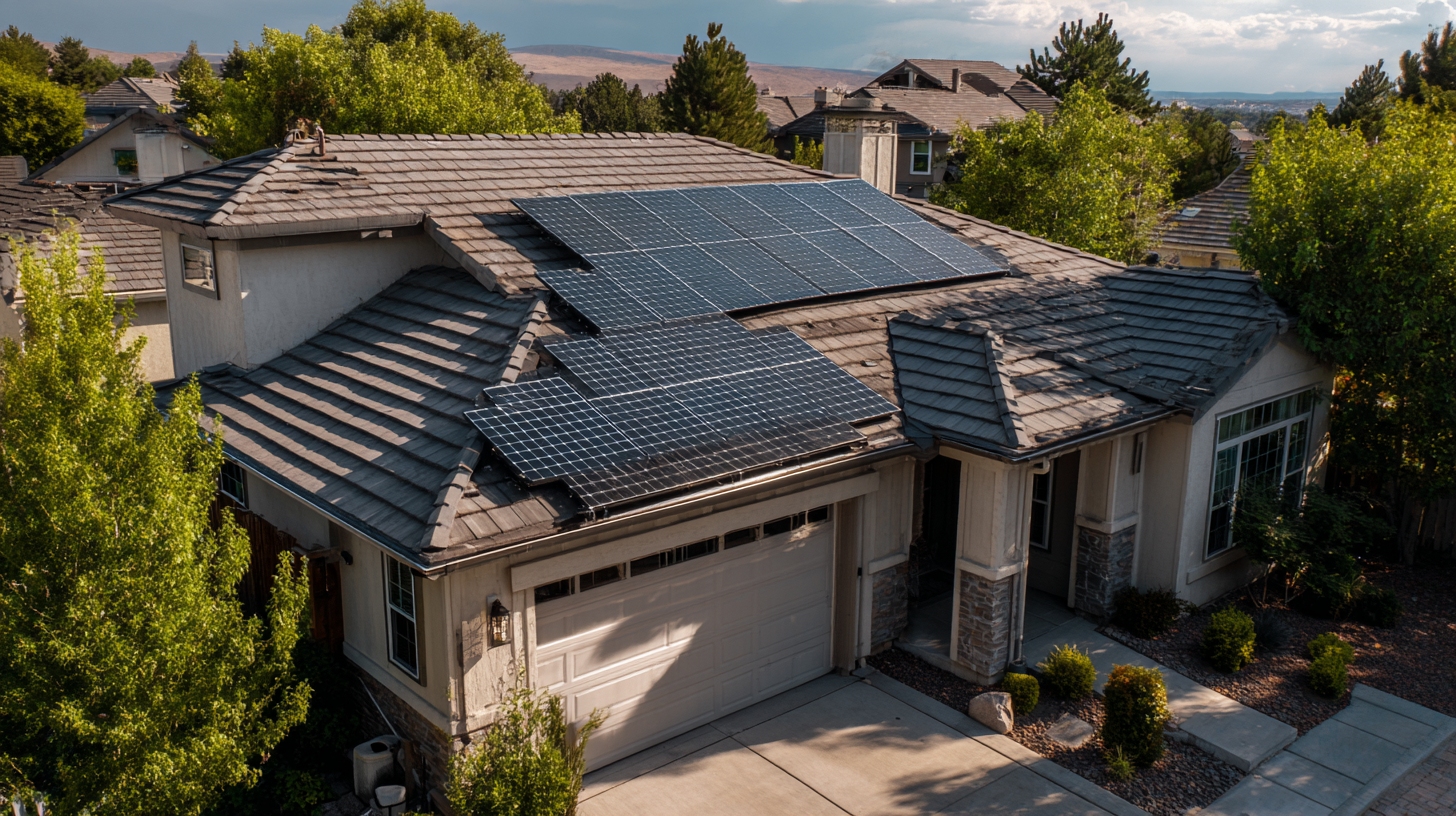
 Picking the right Solar Inverter is actuallysuper important if you want to get the most out of your home's energy and save money in the long run. Basically, the inverter’s job is to turn the direct current (DC) from your solar panels into alternating current (AC) — the kind your house uses. The U.S. Department of Energy mentions that going for a high-efficiency inverter can boost your energy output by up to 20%. That’s a pretty big deal, right? Also, it’s worth considering a good warranty—some inverters come with coverage that lasts anywhere from 5 to 25 years—which really helps give you peace of mind because they tend to last quite a while.
By the way, Shenzhen Ensmar Technology Co., Ltd. is leading the way in this space, offering cutting-edge lithium energy storage solutions that work perfectly with solar setups. This means your system can perform at its best and stay efficient. As renewable energy keeps growing and changing, it’s more important than ever for homeowners to understand how solar inverters work—especially if you're trying to become more energy-independent and eco-friendly.
Understanding Solar Inverters: Types and Key Features to Consider
Understanding solar inverters is pretty important when you're trying to choose the right one for your home. Basically, these inverters take the direct current (DC) produced by your solar panels and turn it into alternating current (AC) — the kind your household appliances actually use. There are mainly three types out there: string inverters, microinverters, and power optimizers. If you're on a budget, string inverters are the go-to because they tend to be cheaper. But if you’ve got shading issues or complex roof layouts, microinverters might be the better choice since they work on each panel individually. In fact, a report from the National Renewable Energy Laboratory mentioned that microinverters can boost energy production by up to 20% under certain conditions, so they’re definitely worth considering in tricky setups.
When you’re checking out different inverters, a few key features really matter. Efficiency ratings are a biggie — they usually fall around 95% to 98%. As Solar Power World points out, the higher the efficiency, the better the inverter will perform over its lifespan. Plus, warranties differ a lot. Most reliable brands offer around 5 to 10 years, but some premium ones give warranties up to 25 years. A recent study by IHS Markit suggests that the reliability of an inverter is often linked to how long its warranty lasts, which kinda makes sense — a longer warranty might actually mean higher quality and longer durability. All this stuff is worth paying attention to if you want to make a solid investment in your solar setup.
Evaluating Efficiency Ratings: What Percentage Should You Look For?
When you're choosing a solar inverter for your home, one of the most important things to look at is its efficiency rating. Basically, this tells you how much of the sunlight hitting your panels actually gets turned into usable electricity. Most good inverters should have at least a 95% efficiency, but anything above that is pretty much a bonus—it usually means better quality and more energy generated. That extra efficiency can really add up over time, helping you save on those utility bills.
A couple of tips: make sure to look for product specs that clearly outline their efficiency ratings. Also, check if they have Maximum Power Point Tracking (MPPT) features—these help boost performance by tweaking things during different sunlight conditions, which is pretty handy. And don’t forget to see if they include real-world performance data or case studies—these can give you a better idea of how they actually perform outside of the specs.
Oh, and performance warranties matter a lot too. While having a good efficiency rating is key, a solid warranty—say, 5 to 10 years—shows that the manufacturer believes in their product’s durability. A longer warranty typically means they’re confident it’ll last and that if something goes wrong, you won’t be left hanging with a faulty inverter in the long run.
Efficiency Ratings of Solar Inverters
The Importance of Warranty Terms: Industry Standards Explained
When you're picking out a solar inverter for your home, it's super important to pay attention to the warranty details. Why? Because these terms really show how confident the manufacturer is about their product lasting and working reliably. A good warranty isn’t just a safety net for your investment — it also helps you spot trustworthy brands from the less reputable ones. You’ll want to look for warranties that cover both any equipment breakdowns and how it performs over time, so you can rest assured your inverter will keep running smoothly for years to come.
Another thing to keep in mind is how long the warranty lasts. Most solid manufacturers offer anywhere from 5 to 15 years, and usually, the fancier, more efficient models come with longer coverage. It’s a smart move to check if these terms match industry standards because that can give you a pretty good idea of how long the inverter will last and what kind of maintenance it might need. Plus, understanding the process for filing claims or getting service helps you make a smarter choice — making sure you pick an inverter that not only gets the job done but also keeps your investment protected over the long haul.
How to Choose the Right Solar Inverter for Your Home Based on Efficiency Ratings and Warranty Terms
| Inverter Type | Efficiency Rating (%) | Warranty Period (Years) | Key Features |
| String Inverter | 95-98% | 5-10 years | Cost-effective, easy installation |
| Microinverter | 95-97% | 10-25 years | Panel-level monitoring, improved shading performance |
| Power Optimizer | 96-99% | 10-25 years | Enhanced efficiency, flexible design |
| hybrid inverter | 93-96% | 5-10 years | Supports Battery Storage, versatile use |
Comparing Top Solar Inverter Brands: Performance and Reliability Metrics
When you're shopping for a solar inverter for your home, it’s really important to compare some of the top brands out there, especially their performance and how reliable they are. I came across the 2022 Solar Energy Industries Association (SEIA) report, which pointed out that efficiency ratings—anywhere from 95% up to over 98%—are a big deal when it comes to how well an inverter can convert and handle energy. Brands like SMA and Enphase have kept showing high efficiency, so they’re great options if you’re looking to save energy and keep your system running smoothly. SMA inverters, in particular, are known for being pretty versatile and durable, which makes them a solid choice whether you have a small setup or something a bit bigger.
Another thing to consider is warranty coverage — it’s actually super important. A study by EnergySage mentioned that leading brands usually offer warranties from about 5 to 12 years, but some, like SolarEdge, will back up their products for up to 25 years. That kind of confidence? It’s a good sign that they really believe in the quality of what they’re selling. Plus, the warranty details can give you a good idea of how long the system will last and how strong their customer support is — so, picking a trusted brand with a solid reputation in the solar game definitely pays off in the long run.
Assessing Installation Requirements: Ensuring Compatibility with Your Home
When you're trying to pick out the perfect solar inverter for your home, it’s really important to consider the installation requirements. You want to make sure it fits well with your current setup without any hassles. Basically, get a good grip on your home’s electrical specs—like voltage and how much energy you usually use—so you can choose an inverter that can handle your energy needs without breaking a sweat. Also, don’t forget to take a close look at your roof’s structure and the space you have for installing the system. This stuff actually makes a big difference in how well your inverter performs and how efficiently it converts sunlight into usable energy.
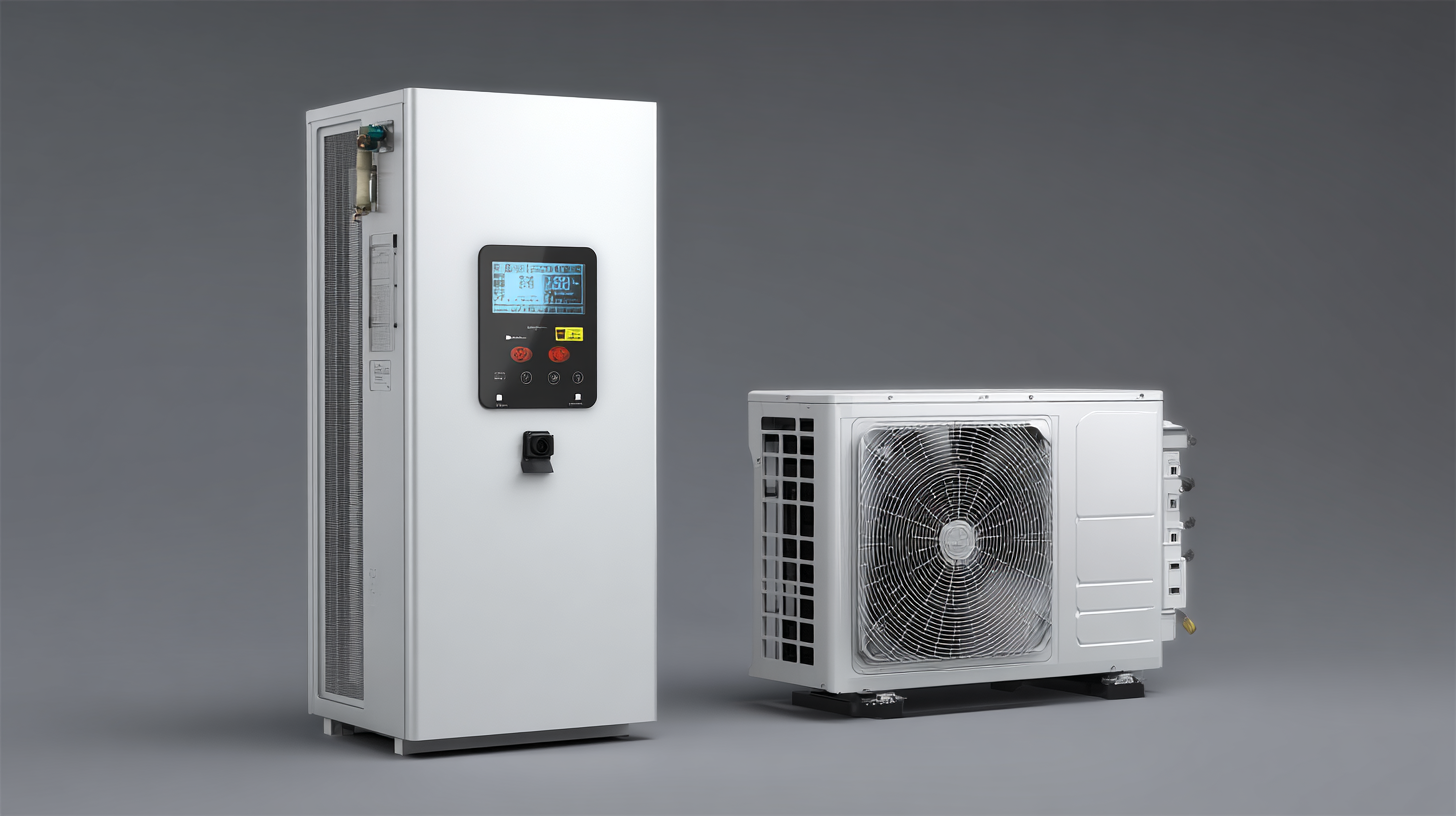
On the topic of energy storage, Shenzhen Ensmar Technology Co., Ltd. is pretty much a name to know. They’re leading the way when it comes to lithium battery systems that are built specifically for solar setups. Their innovative lithium energy storage solutions don’t just boost your inverter’s performance; they also make your whole home solar system way more efficient. By offering custom storage options, ENSMAR makes it easier for homeowners to maximize their use of renewable energy. Plus, with their solid warranties and reliable products, you can rest assured that your investment is in good hands.
Long-Term Savings: How Inverter Efficiency Impacts Your Energy Bills
When you're picking out a solar inverter for your home, it’s super important to get a good handle on how efficient they are. Basically, the efficiency rating tells you how much of the solar energy your system actually turns into usable power. The higher the efficiency, the better — because more of your solar energy gets used instead of wasted. I read recently from the U.S. Department of Energy that modern inverters can hit efficiencies anywhere from 95% up to over 98%. Investing in a really efficient inverter can seriously save you money on your energy bills over time, so it’s definitely a smart move financially.
And let’s not forget about warranties — they’re just as important. A solid warranty isn’t just about peace of mind; it really shows that the manufacturer believes in their product’s quality. Most top brands offer warranties ranging from 5 to 12 years, with some options to extend that even further. For example, Shenzhen Ensmar Technology Co., Ltd. puts a lot of emphasis on quality with their lithium energy storage solutions, offering reliable inverter systems that work seamlessly with their advanced storage tech. So, if you combine a high-efficiency inverter with cutting-edge energy storage, you’re looking at maxing out your savings and making your home energy setup more sustainable and efficient overall.
FAQS
: The three main types of solar inverters are string inverters, microinverters, and power optimizers. String inverters are cost-effective, while microinverters are more efficient for systems with shading issues by working independently on each panel.
Efficiency ratings indicate the percentage of solar energy converted into usable electricity. A good solar inverter should have an efficiency rating of at least 95%, and higher ratings generally lead to better energy production, contributing to cost savings on utility bills.
Microinverters can enhance energy production by up to 20% in certain conditions, especially in complex rooftop layouts or areas with shading issues, because they optimize the performance of individual solar panels.
Most reputable manufacturers offer warranties ranging from 5 to 10 years, while premium brands may extend warranties up to 25 years. Longer warranty periods often indicate higher build quality and reliability.
Assessing installation requirements ensures compatibility with your home’s electrical setup and roofing structure, which affects the inverter’s performance and efficiency in converting solar energy.
MPPT capabilities enhance a solar inverter's performance by optimizing energy harvest during changing sunlight conditions, ensuring better energy conversion and efficiency.
Effective energy storage solutions, like those offered by Shenzhen Ensmar Technology Co., Ltd., support optimal solar inverter performance and enhance overall energy efficiency by allowing homeowners to maximize their renewable energy utilization.
Key factors include efficiency ratings, warranty terms, installation requirements, and the inverter's performance in real-world conditions. Look for detailed specifications and performance data to support effectiveness claims.
By examining efficiency ratings, warranty length, and manufacturer reliability, you can ensure a solid investment in your solar energy system that will operate effectively over its lifespan.
Conclusion
When you're choosing a solar inverter for your home, it’s really helpful to know the different types out there and what makes each one tick. Those efficiency ratings? Super important. You wanna aim for inverters that pack a high percentage of efficiency — that way, you get the most energy out of your system. Oh, and don’t forget about the warranties! Reputable brands usually back their stuff with warranties that meet industry standards, so you're covered in the long run.
It’s also smart to compare how different top brands perform—it can really help you make a more informed decision. And, of course, check the installation requirements to make sure everything fits nicely with your home setup. Picking a good quality inverter isn’t just about squeezing out maximum energy; it also means saving more money on power bills over time. By the way, Shenzhen Ensmar Technology Co., Ltd., knows a thing or two about this — they’re a leading name when it comes to lithium energy storage and solar tech. They really get how important it is to combine efficient solar solutions with reliable energy storage for a future that’s both sustainable and smart.