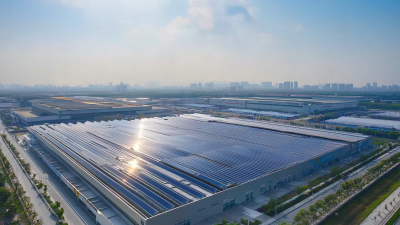
These days, more and more folks are turning to renewable energy, especially solar power. That’s led to a big uptick in using Solar Batteries to store energy. But, you know, as demand for these systems does grow, so do the headaches that come with implementing them in real-world situations. Things like how efficient the batteries are, how long they last, and whether they play nicely with existing setups — all these issues can really hold back how well solar batteries work. I think companies like Shenzhen Ensmar Technology Co., Ltd. get that. They’re focused on creating cutting-edge lithium energy storage solutions for different industries, from renewable energy projects to telecom. As a top player in lithium battery storage, Ensmar’s goal is to tackle those common problems head-on, making sure customers get reliable, efficient energy storage options that actually fit their specific needs. It's all about making solar energy more practical and dependable for everyone.
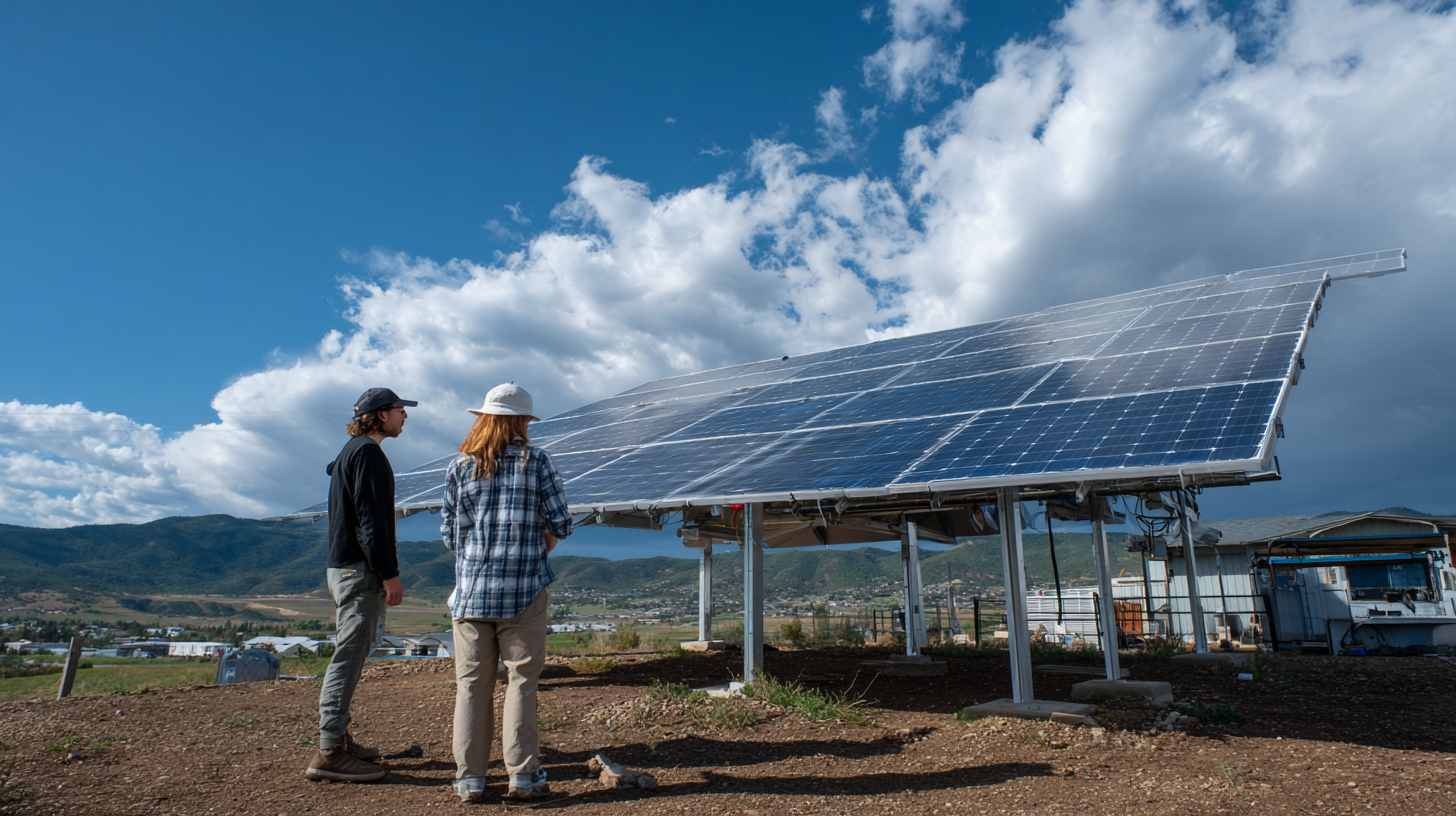
Challenges in Solar Battery Efficiency and Longevity
You know, when it comes to solar battery systems, their efficiency and how long they last are pretty big dealbreakers right now. As more folks and businesses jump on the renewable energy bandwagon, it’s really important to get a handle on what these batteries can and can't do.
One of the main issues is that batteries tend to degrade over time. Most of the lithium-ion types—those are the usual ones in solar setups—gradually lose their ability to hold a charge after a certain number of cycles. That means they just don’t perform as well as they used to, which can mess with how much energy you can store and how efficiently you’re using that solar power.
And then there's the whole thing about charging them just right. Since solar energy depends a lot on the weather, it’s not always predictable. Sometimes batteries get overcharged on a sunny day or not charged enough when it's cloudy, which isn’t great. Over time, these ups and downs can shorten their lifespan and drop their efficiency.
Engineers are working on smarter battery management systems to keep things in check, but a lot of people still run into issues like overheating or just not getting the most out of their batteries. Clearly, there’s still a lot of research happening to make solar batteries better and more reliable — we really need those innovations if we wanna depend on solar energy as a solid, sustainable power source.
Integration Issues with Existing Power Grids
You know, connecting solar battery systems to the existing power grids isn't exactly a walk in the park. A lot of folks in the industry are facing some serious hurdles here. According to the folks over at the National Renewable Energy Laboratory (NREL), while putting in more distributed energy resources—like those solar batteries—can really boost how resilient our energy system is and help us cut down on fossil fuel use, it also means we need some big upgrades to our current grid infrastructure. In fact, NREL suggests that by around 2030, we might need up to a 60% expansion in transmission capacity just to handle all that new solar energy in certain areas—that's quite a leap!
One of the biggest headaches? The lack of standardization. Battery tech varies a lot—different chemistries, charging patterns, discharging protocols—and that can cause all sorts of problems. According to the International Energy Agency (IEA), this means some new solar batteries just don’t play nicely with the existing grid systems. It can lead to inefficiencies and even make the whole grid less stable. Plus, the data we get in real-time to balance supply and demand isn’t quite enough right now, which can cause congestion and bump up operational risks. So yeah, tackling these challenges is pretty crucial if we really want to unlock the full potential of solar batteries and make our power systems smarter and more reliable.

Cost Considerations and Economic Viability of Solar Batteries
When you’re thinking about getting solar battery systems, one of the biggest things to consider is whether it’s financially worth it—both for homeowners and businesses alike. As more people jump on the renewable energy bandwagon, the need for good energy storage options becomes pretty clear. That’s where solar batteries come in—they can really boost how efficient your solar setup is by saving up the extra power generated during the brightest parts of the day. Later on, you can use this stored energy in the evening or on cloudy days, which is pretty handy. But here’s the thing—those batteries aren’t exactly cheap upfront. The price can vary a lot depending on the type, size, and tech behind the battery, so folks often find themselves debating whether the long-term savings are really worth the initial investment.

And it’s not just about buying the thing. You’ve also got to think about maintenance and when it might be time to replace the batteries, which adds to the overall cost. Batteries don’t last forever, and whether you have lithium-ion or lead-acid, the upkeep can differ quite a bit. Many people overlook this part when they’re crunching the numbers. Plus, if you live somewhere with fluctuating electricity rates or some sweet incentives, figuring out how long it’ll take to recoup your costs and see a real return on investment becomes even more important. So, while solar batteries definitely show a lot of promise for tackling energy issues, whether they make sense financially really depends on your personal situation and what kind of local policies are in play.
Technological Innovations Shaping Solar Battery Systems
The world of solar battery systems has really gone through some big changes lately, thanks to tech breakthroughs that make them more efficient and easier to use. You’ve seen new battery tech like lithium-ion and solid-state batteries come onto the scene—these are total game-changers when it comes to storing energy. Not only do they pack more power into less space, but they also last longer and charge faster. That’s a huge deal if you want to make the most out of your solar setup. As more folks look for eco-friendly energy options, these advanced batteries are becoming super important, whether it’s for homes or businesses.
And hey, things got even cooler with the rise of smart tech. Modern solar batteries now come equipped with smart controllers and energy management systems that help you keep an eye on things in real-time. They can optimize how you use your energy, making sure you're making the most of those sunny days. When there's extra sunshine, these systems can store the surplus or reroute it, which means less waste and lower energy bills. As the tech keeps getting better, I think we’re going to see even more improvements and wider adoption of these systems across different sectors—I mean, it’s pretty exciting stuff!
Issues Encountered with Solar Battery Systems in Modern Applications
| Issue | Description | Impact | Technological Innovations |
| Limited Battery Life | Many solar batteries have a limited lifespan, requiring frequent replacements. | Increased costs and environmental concerns due to battery disposal. | Development of longer-lasting lithium-ion and solid-state batteries. |
| High Initial Costs | The upfront investment for solar battery systems can be substantial. | Deterrent for potential adopters and impacts on return on investment. | Innovations in manufacturing processes to reduce costs. |
| Efficiency Loss | Energy loss occurs during the storage and conversion processes. | Lower overall power generation and increased operational costs. | Advancements in battery chemistry to enhance energy conversion rates. |
| Temperature Sensitivity | Performance can degrade in extreme temperature conditions. | Limits the effectiveness of batteries in various climates. | Improved thermal management technologies in battery design. |
| Recycling Challenges | Many batteries are not easily recyclable, leading to waste management issues. | Environmental impact and increased landfill concerns. | Innovative recycling processes to recover materials efficiently. |
Environmental Impact of Solar Battery Manufacturing and Disposal
When we talk about switching to greener energy, one thing that's often overlooked is the environmental toll of making and disposing of solar batteries. You know, those lithium-ion batteries we find in solar setups? Well, their production isn’t exactly eco-friendly. It requires a ton of resources — for example, creating just one battery can gobble up around 500,000 gallons of water, plus a lot of mining of materials that aren’t great for the planet. All that adds up to habitat destruction and more greenhouse gases in the air. Crazy, right?
And it doesn’t stop there. Figuring out what to do with these batteries when they’re done is another big challenge. As more people jump on the electric vehicle train, recycling becomes super important. Luckily, some new techniques like hydrometallurgical recycling are showing real promise. They can recover critical materials from used batteries much more sustainably than digging up new minerals. Life cycle assessments — kinda fancy way of saying ‘from start to finish’ — show that recycling can really cut down on the negative impact. So, if we focus on making recycling better and cutting emissions during production, the solar battery world can definitely become greener. It’s all about taking smarter steps to lessen our environmental footprint and keep pushing toward a more sustainable future.
Environmental Impact of Solar Battery Manufacturing and Disposal
User Awareness and Education on Solar Battery Maintenance
When it comes to keeping solar battery systems running smoothly, user awareness and education really make a huge difference. As more homes and businesses jump on the solar bandwagon, it's super important that people understand how to take care of their batteries. Honestly, a lot of folks aren’t really aware of what’s needed to keep these systems in top shape, which can lead to batteries not working as well or even wearing out faster than they should. Simple things like checking the charge levels, monitoring the temperature, and doing regular health checks can do wonders — they help boost performance and save on costly replacements down the line.
Plus, it’s not just about maintenance tips. Knowing a bit about how these batteries actually work can make a big difference. Sometimes, people run into issues because they believe a myth or just don’t really understand what their system can or can’t do. Sharing easy-to-understand resources, whether it’s videos, workshops, or community talks, can really empower users to make smarter choices. This helps us all get the most out of solar technology, using energy more responsibly and sustainably — which is a win for everyone, including the environment.
Harnessing Renewable Energy: A Comprehensive Guide to the Monobloc All-in-One Off-Grid Solar Power System
Harnessing Renewable Energy: A Comprehensive Guide to the Monobloc All-in-One Off-Grid Solar Power System
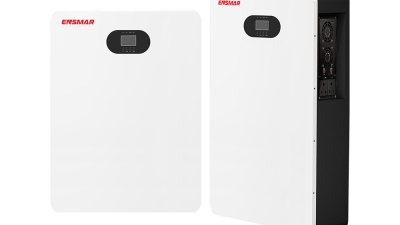
In the quest for sustainable energy solutions, the ENSMAR Ares-series off-grid solar power system stands out as a pioneering choice for homeowners seeking energy independence. This monobloc system, which integrates both the inverter and batteries in a single, undetachable unit, offers a convenient solution that alleviates the complexities associated with traditional solar setups. With all components pre-fabricated, pre-tested, and pre-installed, users can expect a seamless installation process, minimizing both time and effort while ensuring reliability and durability.
The robust construction of the ENSMAR Ares-series makes it especially suitable for regions with unreliable grid connections or complete grid absence. Its flexible installation capabilities mean that it can be adapted to a variety of environments, ensuring that households can harness the power of the sun even in challenging conditions. By providing a reliable source of clean energy, this innovative system supports a sustainable lifestyle while reducing dependency on fossil fuels. Embracing such all-in-one solutions is a significant step towards a greener future, where energy needs are met responsibly and efficiently.
FAQS
: The main challenges include the lack of standardization in battery technology and grid management systems, limited real-time data for balancing supply and demand, and the need for significant upgrades to the current grid infrastructure.
NREL estimates that integrating high levels of solar generation could require up to a 60% expansion of utility-scale transmission capacity in certain regions by 2030.
Standardization is important because varying battery chemistries and protocols can lead to incompatibility with existing grid systems, resulting in inefficiencies and issues related to grid stability.
The production process involves extensive resource extraction, such as the need for approximately 500,000 gallons of water per battery, and it can cause ecological damage, including habitat destruction and increased carbon emissions.
The disposal and recycling of solar batteries pose environmental challenges, particularly as the demand for electric vehicles increases, necessitating efficient recycling methods to recover critical materials.
Hydrometallurgical recycling technologies show promise for recovering materials from used batteries while demonstrating significantly lower environmental impacts compared to traditional mining methods.
Life cycle assessments highlight the potential of recycling to mitigate the negative environmental effects associated with battery production, promoting a more sustainable approach within the solar battery industry.
Addressing these challenges is essential to maximize the benefits of solar battery systems within modern power frameworks and to ensure reliable and efficient operation of the power grid.
Limited real-time data for balancing supply and demand can hinder the effective integration of renewable energy sources, potentially causing grid congestion and increasing operational risks.
The industry can focus on improving recycling efficiency and reducing harmful emissions during manufacturing to build a more sustainable future and lessen overall environmental impacts.