The Pioneer Of Battery Innovations
contact us
Leave Your Message


When it comes to outdoor adventures, you really can't skip on a reliable camper battery. If you're heading out for a quick weekend escape or planning a full-on expedition, a solid energy source is crucial for keeping your gadgets powered up and your fun meter at the max. At Shenzhen Ensmar Technology Co., Ltd., we’re all about lithium energy solutions that meet the diverse needs of campers and outdoor lovers alike. With our cutting-edge Lithium Battery systems, you can dive into your adventures without that nagging worry of running out of juice. Plus, our tech not only delivers top-notch performance but also takes sustainability seriously, making it a great fit for anyone who loves adventure and cares about the planet. So, let’s dive into the essential tips for mastering your camper battery and making sure every trip is not just powered but also super enjoyable!

Hey there! If you’re all set for some outdoor fun with your camper, there’s something really important you’ve got to get a handle on – and that's the different kinds of camper batteries out there. You mainly have three options to choose from: lead-acid, lithium-ion, and AGM (that’s Absorbent Glass Mat for those not in the know). Now, lead-acid batteries are the old-school choice, but trust me, they come with their fair share of headaches. You’ll need to keep an eye on them regularly, and let’s be honest, they don’t last as long as we’d like. Plus, they’re pretty heavy and not the best when it comes to deep cycling, which can be a bummer if you’re planning on some serious off-grid adventures.
On the flip side, we’ve got lithium-ion batteries, and they’re kind of the rockstars in the battery world these days! They’re super lightweight and last a whole lot longer. The cool thing is they can discharge deeper without frying themselves, which can really save your bacon during those extended trips. Yeah, the price tag can be a bit shocking at first, but think of it as an investment. Then there are AGM batteries, which can be a nice middle ground. They’re maintenance-free and handle vibrations like champs, but do keep in mind they’re still heftier than lithium options.
When you’re diving into the details, every type of battery has its own voltage and amp-hour ratings. You’ll want to match those up with your camper’s power needs, so you don’t find yourself left in the dark when you’re out enjoying nature. Trust me, figuring this stuff out not only helps you make a savvy choice but also means your trips can go off without a hitch!
Taking care of your camper battery is super important if you want it to perform at its best during all those exciting adventures. A battery that gets the TLC it needs doesn’t just last longer; it can also make your camping trips a lot more enjoyable. I read this report from Battery Council International that says a Deep Cycle Battery usually lasts around 4 to 6 years, but with the right care, you can really stretch that time. Just keep an eye on the water levels and make sure those terminals are nice and clean—doing these simple things can add years to your battery's life.
You know, it's really important to pay attention to how charged your battery is. Research has shown that keeping it above 50% is key to avoiding sulfation, which can totally mess things up. Also, if it’s super hot outside, try to keep your battery cooler—that helps slow down evaporation and keeps the electrolytes in good shape. Investing in a good battery monitor is a smart move; it’ll give you live updates on your battery health, which can save you from unexpected hiccups while you’re on the road.
And one last thing—the right maintenance practices can really boost performance! Like, doing periodic equalization charging and storing it properly are game-changers. According to the folks over at the National Renewable Energy Laboratory, equalization charging can help fend off sulfation and stratification, which are common problems for both lead-acid and lithium batteries. So if you stick to these essential tips, your camper's battery will keep running smoothly and keep you energized for all those epic adventures ahead!
This pie chart illustrates the key aspects of camper battery maintenance that contribute to longevity and performance. Each segment represents a different maintenance task, indicating its importance in ensuring optimal functioning during your adventures.
Maximizing battery life in your camper is crucial for ensuring that your adventures go off without a hitch. To start, proper charging practices can significantly extend the lifespan of your batteries. Using the right charger is essential—ensure it matches the battery type and size to prevent overcharging, which can lead to damage. Consider investing in a smart charger that automatically adjusts the charge rate and stops charging when the battery is full. Additionally, maintaining a charge level of between 20% and 80% will help in prolonging the battery’s life.
Discharging your battery correctly is equally important. Avoid deep discharges whenever possible; keeping your battery within safe discharge limits is key to maintaining its health. Monitoring your camper's energy consumption will help you understand how much power you can use without compromising battery life. Regularly checking the battery's voltage can also provide valuable insights into its condition. Lastly, consider integrating renewable energy sources, such as solar panels, to help keep your batteries charged efficiently during trips, ensuring you're always ready for the next adventure.
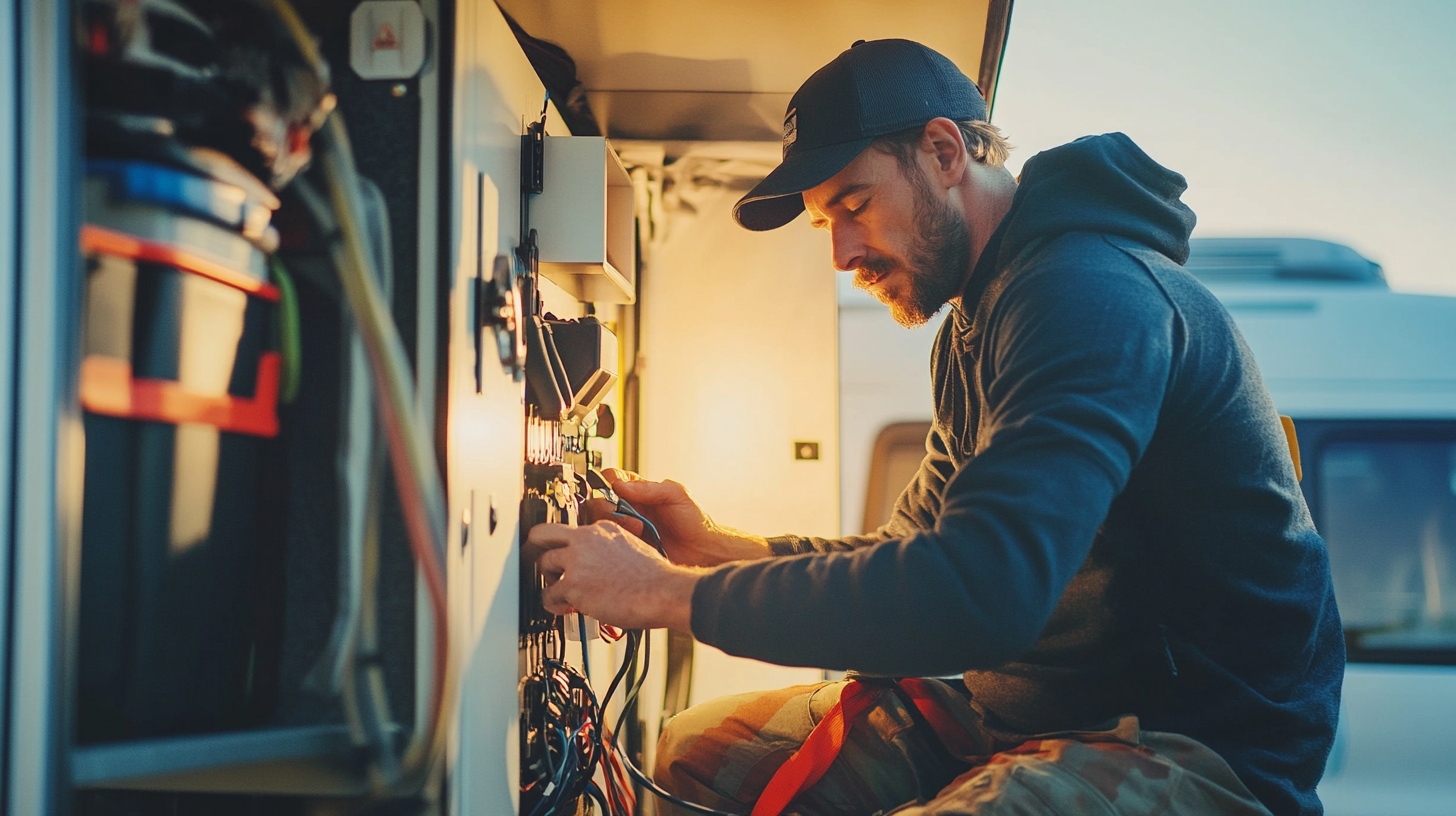
Let's chat about camper batteries! You know, figuring out common issues can really amp up your camping experience. One of the easiest ways to troubleshoot any electrical hiccups is to just hook up your device—like that trusty fridge or a light fixture—right to the battery. If it fires up, yay! The battery’s good to go. But if it doesn’t, well, looks like there’s something funky going on with the device instead. This simple trick cuts through all the guesswork and helps you zero in on what really needs some TLC.
Now, don’t forget about those chilly temps! They can throw a wrench in your camper battery’s performance, making it a bit sluggish. Seriously, frozen bits can really mess with how effectively the power flows. That’s why it’s super smart to take some preventative steps. Keep that battery wrapped up cozy and maybe even store it in a warmer spot to avoid those frosty surprises. Also, make it a habit to check things out regularly—like making sure all the connections are snug and there’s no corrosion lurking around. By staying on top of this stuff, you can make your camping jaunts smoother and just enjoy the great outdoors without stressing about battery woes.
Let's talk about how to level up your camping experience, shall we? You know, when it comes to hitting the road with your camper, having a solid battery is super important. If you're planning to go on longer trips or if you love using gear that guzzles power, updating your camper battery might just be the best move you can make. I mean, if you’re constantly juggling things like fridges, heaters, or lights and running low on juice, it’s definitely time to think about an upgrade. A battery with a little more oomph can keep everything buzzing along nicely, plus it gives you that sweet peace of mind knowing you won’t lose power in the middle of your escapades.
And speaking of upgrades, let’s not forget about the cool advancements in battery tech these days. Things like lithium-ion batteries are game-changers compared to the old school lead-acid ones. They’re lighter, last way longer, and charge up quicker — so you can spend more time out there and less time waiting around. Swapping to a lithium battery can shave off some serious weight, which means your camper runs even better and more efficiently. Plus, the longer lifespan can help save some bucks in the long run, making it a pretty smart choice if you're really into your outdoor adventures. Embracing these newer options means you can really make the most of what your camper has to offer, turning each trip into an incredible adventure!
| Battery Type | Capacity (Ah) | Weight (lbs) | Lifespan (Years) | Ideal Usage |
|---|---|---|---|---|
| Lead Acid | 100 | 60 | 3-5 | Basic camping |
| AGM | 100 | 70 | 4-7 | Moderate adventure |
| Lithium Ion | 100 | 35 | 10+ | Extensive travel |
| Lithium Iron Phosphate | 100 | 45 | 10+ | Heavy-duty use |
When it comes to getting the most out of your camper's battery, having the right gadgets and tools is super important for making sure everything runs smoothly during your trips. You know, a recent study by the Recreational Vehicle Industry Association (RVIA) found that almost 70% of RV owners really depend on solid battery systems to keep their appliances and gadgets powered while they're on the road. So, that just shows how crucial it is to invest in some quality battery management tools.
One must-have accessory? A smart battery monitor. These nifty devices give you real-time info on battery voltage, how much is being drained, and the overall charge status. According to the Consumer Electronics Association (CEA), folks who started using smart monitoring saw a 25% boost in their battery lifespan just by keeping better track of their maintenance. Plus, if you throw in a solar panel charging setup, you could really cut back on the need for traditional power sources. Some studies even say that going solar can double the life of your battery—how cool is that?
On top of that, having a solid temperature management system can really help your battery perform at its best. Extreme temperatures can add some serious strain, you know? The National Renewable Energy Laboratory (NREL) even mentioned that lithium-ion batteries could lose up to 20% of their capacity in freezing weather—brr! Using thermal insulation mats or heated battery boxes can help you handle those temperature swings, making sure you’ve got power no matter what nature throws at you. All in all, investing in these accessories not only boosts performance but also makes your camping adventures way more enjoyable.

: Use a charger that matches the battery type and size, consider a smart charger that adjusts the charge rate, and maintain a charge level between 20% and 80%.
Deep discharges can damage the battery, so it's crucial to keep the battery within safe discharge limits to prolong its lifespan.
Regularly check the battery's voltage and monitor the power usage to understand how much energy you can safely consume without compromising battery life.
Smart battery monitors provide real-time data on battery status, which can lead to improved maintenance and a reported 25% increase in battery lifespan.
Solar panels can significantly reduce reliance on traditional power sources and studies suggest they can extend battery life by up to 50%.
Lithium-ion batteries can lose up to 20% of their capacity in temperatures below 32°F, making temperature management essential.
Essential accessories include smart battery monitors, solar panel charging systems, and temperature management solutions like thermal insulation mats or heated battery boxes.
Overcharging can damage the battery, which is why using a compatible charger and smart technology to prevent overcharging is essential.
Maintaining a charge level between 20% and 80% is recommended for optimizing battery lifespan.
Extreme temperatures can reduce battery capacity, so managing temperature with appropriate accessories can help maintain consistent power availability.