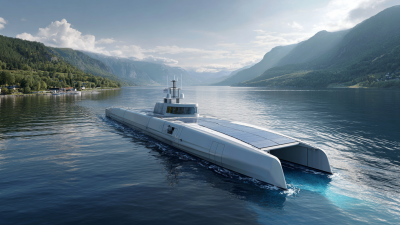
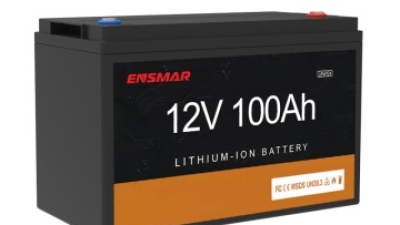
You know, the arrival of Lithium Ion Marine Batteries has really shaken up the boating world. These batteries are a game-changer when it comes to providing a sustainable, efficient energy source for all our maritime adventures. It’s pretty crazy to think that the global market for marine batteries is expected to hit around $1.62 billion by 2027—that’s how important lithium tech has become. Companies like Shenzhen Ensmar Technology Co., Ltd. are really leading the charge here. They focus on creating state-of-the-art lithium energy storage systems, not just for boating, but also for things like renewable energy projects.  The cool thing about Lithium Ion Marine Batteries? Well, they last longer, charge up faster, and pack more power than the traditional lead-acid ones we’ve been using for ages. With all the buzz about protecting the environment and the push for cleaner energy, getting a handle on these advanced battery techs can not only make your boating trips better but also help you do your part for the planet. It’s an exciting time for boaters and eco-conscious folks alike!
Understanding Lithium-Ion Battery Technology for Marine Use
Lithium-ion batteries have really changed the game for the marine world, giving boaters a lot of great options. Compared to the old-school lead-acid batteries, these newer batteries pack more power into a smaller, lighter package. That’s a huge win when you’re talking about boats, where space and weight matter big time. Plus, they last way longer and can handle more charge and discharge cycles — which means fewer replacements and saving some cash over time.
If you’re figuring out which lithium-ion battery to pick for your boat, start by carefully figuring out exactly how much power you need. Add up the wattage for all your gear, and maybe think about any upgrades down the road. It’s also a smart idea to go for a good quality battery management system (BMS) — it keeps tabs on the battery’s health and helps it perform at its best. And don’t forget to consider the environmental side of things; lithium-ion batteries are often recyclable, making them a greener choice compared to the traditional ones.
All in all, getting to know how lithium-ion batteries work is pretty important if you wanna get the most out of your boating adventures. With a bit of knowledge and some careful planning, you can totally amp up your experience and enjoy the benefits of all these modern battery tech improvements.
Key Advantages of Lithium-Ion Batteries Over Traditional Marine Batteries
Let’s talk about lithium-ion batteries — they’re really changing the game for boaters. One of the biggest perks? They’re super lightweight, which means your boat can perform better and be more efficient out on the water. Unlike those bulky lead-acid batteries, lithium-ion options can cut down the total weight of your boat, giving you better speed and easier maneuvering — pretty nice, right? Plus, they pack a punch with their higher energy density, so you get more power in a smaller size — ideal for those long, adventurous days at sea.
Another thing I love about lithium-ion batteries is how long they last. If you take good care of them, they can go over a decade — yeah, 10 years or more — unlike traditional batteries that usually only stick around for 3 to 5 years. That’s a huge saving in the long run and helps cut down on waste since you’re not replacing batteries all the time. They also charge faster, so you’re not stuck waiting around; you can spend more time out having fun instead of sitting on the dock. Here at Shenzhen Ensmar Technology Co., Ltd., we focus on making top-notch lithium energy storage solutions. Our goal is to meet the diverse needs of different industries, especially marine, so boaters can keep relying on our advanced battery systems for all their adventures.
Exploring the Benefits of Lithium Ion Marine Batteries for Your Boating Adventures
| Feature | Lithium-Ion Batteries | Traditional Lead-Acid Batteries |
| Weight | Lightweight | Heavy |
| Lifetime | Up to 10 years | 3 to 5 years |
| Charge Time | 1 to 3 hours | 5 to 8 hours |
| Depth of Discharge | Up to 100% | 50% recommended |
| Efficiency | 95%+ | 80% - 85% |
| Self-Discharge Rate | Very low | High |
| Environmental Impact | Lower toxicity | Lead contamination |
Choosing the Right Lithium-Ion Battery for Your Boat
When you're picking out lithium-ion batteries for your boat trips, it’s pretty important to get a good grasp of what makes them tick and why they’re a pretty smart choice. Recent industry reports mention that these batteries can last up to ten times longer than your typical lead-acid ones — which makes them way more cost-effective in the long run. Plus, their high energy density means they pack more power into a smaller and lighter package. That’s a big win for freeing up deck space and boosting your boat’s performance. Honestly, lithium-ion batteries can deliver over 80% of their rated capacity, while lead-acid ones usually only push about 50%. So, with these, you get to cruise longer without having to recharge as often.
Picking the right lithium-ion battery isn’t just about the specs, though. You wanna think about what your boat really needs. Data from Battery University shows that many of these batteries can handle over 5,000 charge cycles — that’s a huge deal because it means less frequent replacements. And features like built-in management systems help keep everything running smoothly by balancing the cells and preventing overloads. When you weigh these factors against how you typically use your boat, it’s easier to make a smart choice that’ll make your time on the water better and your energy consumption more eco-friendly.
Installation Tips for Maximizing Lithium-Ion Battery Performance
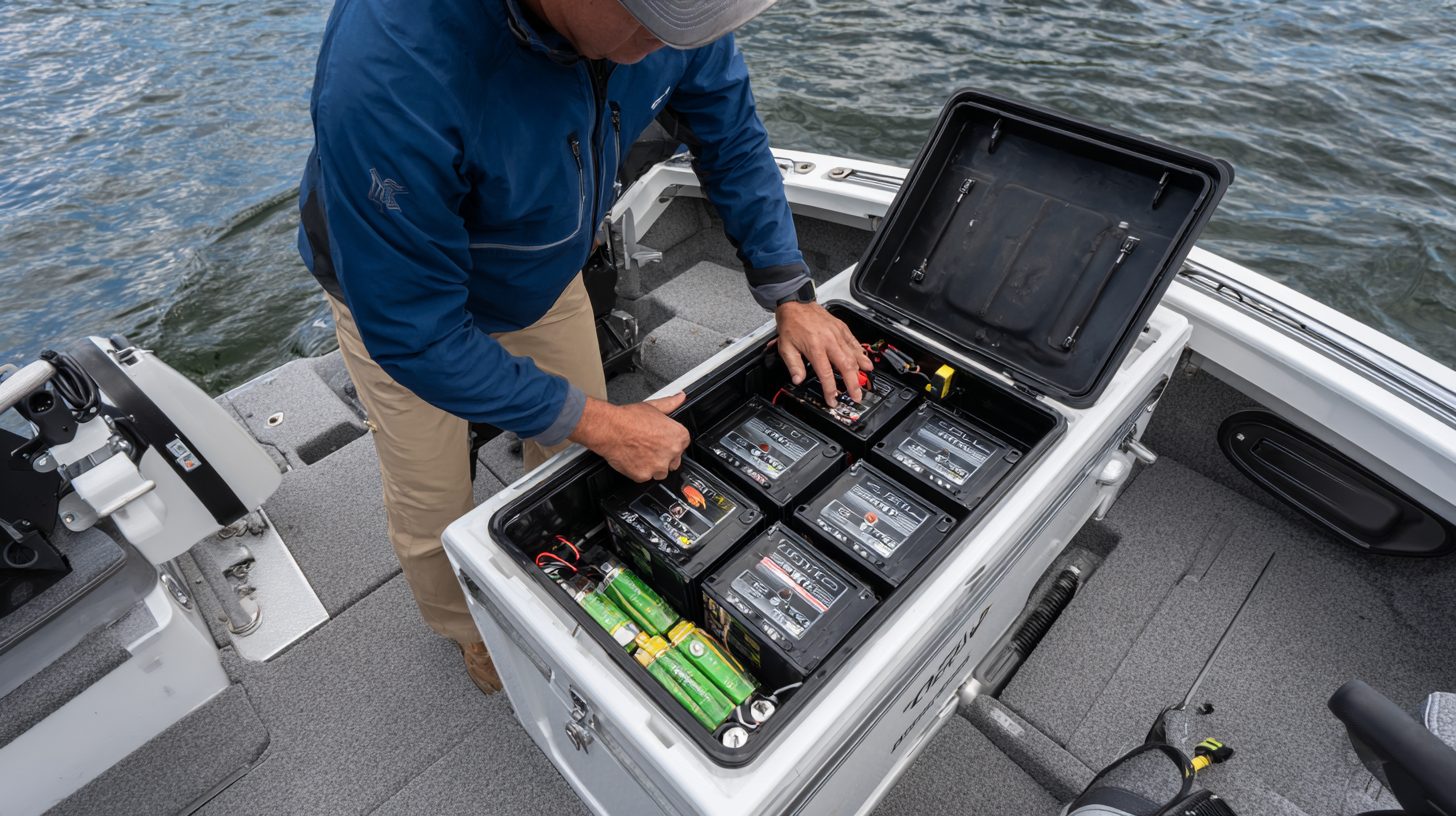
If you’re looking to get the most out of your lithium-ion marine batteries, correct installation is pretty much key. Getting the setup right can really make a difference—your battery will last longer and perform better out on the water. First off, pick a spot for the battery that's sheltered from extreme temps and moisture; these things can really mess with the battery’s health. Also, make sure you secure it well so it doesn’t move around or vibrate too much—those shakes over time can cause some wear and tear.
And hey, if you wanna squeeze even more performance out of your batteries, consider adding some smart tech. For example, a battery management system (BMS) is a lifesaver—it keeps an eye on the charge levels and makes sure all the cells are charging evenly. That helps prevent overcharging or deep discharges, which are bad news for lithium batteries. Lastly, using a smart charger made specifically for lithium-ion batteries can really help extend their lifespan. These chargers adapt to your battery’s needs, making sure it charges efficiently. All of this means you can enjoy your boating adventures without worries, with a battery that’s reliable and lasts longer than you’d expect.

Maintenance Best Practices for Longevity of Marine Lithium-Ion Batteries
When it comes to keeping your marine lithium-ion batteries in good shape for those awesome boating trips, there are some simple tips that can really make a difference. First off, make sure you’re checking the battery’s charge level regularly. Honestly, staying within that sweet spot—around 20% to 80%—can help you avoid the risks of deep discharges or overcharging, which can seriously cut down the battery’s lifespan. Also, using a charger that's specifically made for lithium-ion batteries is a smart move—this helps keep the voltage just right and prevents potential damage.
Another thing to watch out for is temperature. These batteries work best in moderate conditions, so try not to leave them out in extreme heat or cold. If you can, store them somewhere climate-controlled when you're not using them. And don’t forget to peek at those terminals every now and then—look for signs of corrosion or any physical damage. Catching issues early on can save a lot of hassle later. By sticking to these simple maintenance tips, you’ll get the most out of your lithium-ion batteries and keep them reliable for all your marine adventures. Trust me, a little care goes a long way!
Benefits of Lithium Ion Marine Batteries for Boating Adventures
This bar chart illustrates the key benefits of using lithium-ion marine batteries compared to traditional lead-acid batteries based on various performance metrics.
Safety Considerations When Using Lithium-Ion Batteries on Boats
When you're thinking about using lithium-ion batteries on your boat, safety really should be your top priority. I mean, these batteries are great—they're lightweight and super efficient—but they do come with their own set of risks. One of the key things is making sure you install them properly and that there's enough ventilation. Lithium-ion batteries tend to heat up when they're running or charging, so picking a spot on your boat with good airflow is pretty important.
Tip: Always double-check what the manufacturer says about the right temperature range for your batteries. And definitely keep an eye on your battery management system to make sure it's working right. That way, you can keep track of how everything's performing and avoid any nasty surprises.
Another huge safety thing to remember is not mixing different types of batteries. Lithium-ion batteries have their own charging needs, which are pretty different from old-school lead-acid ones. Mixing them up can cause problems—like malfunctioning or even a fire or explosion, which would be disastrous. Plus, make sure all your wires and electrical components are rated for the power your battery puts out. That helps prevent short circuits.
Tip: Take a few minutes regularly to check on your battery and all the connections. Look for corrosion, wear, or any signs something might be off. The earlier you spot an issue, the easier it is to fix, and it’ll help keep your boating trips safe and stress-free.
Exploring the Benefits of LiFePO4 Lithium Battery: The Ultimate 12V Solution for Power Needs
The Gaea-series LiFePO4 lithium batteries stand out as an ultimate 12V solution, tailored to meet various power needs. These batteries are especially beneficial for those looking to upgrade their marine, leisure, camper, RV, motorhome, or boat batteries. With their high energy density and longer life cycles, LiFePO4 batteries present a more efficient and reliable power source compared to traditional lead-acid batteries.
One of the most innovative features of the Gaea-series is the integrated monitor software, which allows users to keep an eye on battery status through the ENSMAR app. This remote monitoring capability includes essential information such as temperature, current, remaining capacity, internal resistance, and voltage. This level of insight ensures optimal performance and enhances the longevity of the battery, making it an excellent choice for both casual and frequent users. Whether you’re powering a solar energy system or embarking on a road trip, the Gaea-series batteries provide the assurance you need for consistent and reliable energy.
FAQS
: Lithium-ion batteries are lighter, offering increased efficiency and better performance, have a higher energy density for more power in a smaller size, last longer (over 10 years), charge faster, and reduce environmental impact due to less frequent replacements.
The lightweight design of lithium-ion batteries reduces the overall weight of a boat, leading to improved speed and maneuverability on the water.
Regularly check the state of charge (ideally between 20% and 80%), use appropriate chargers designed for lithium-ion technology, manage temperatures to avoid extreme conditions, and perform routine inspections for wear and damage.
A BMS helps monitor the state of charge and ensures balanced charging across cells, preventing overcharging and deep discharging, which are crucial for maintaining battery integrity.
Batteries should be installed in a location protected from extreme temperatures and moisture, secured to minimize movement and vibrations, and ideally paired with smart chargers for efficient charging cycles.
Traditional marine batteries typically last around 3-5 years, while lithium-ion batteries can exceed 10 years with proper maintenance.
Lithium-ion batteries perform best in moderate conditions; exposure to extreme heat or cold can negatively impact their performance and longevity.
Using smart chargers specifically designed for lithium-ion batteries can adapt charging processes to the battery’s requirements, promoting efficient charging and enhancing lifespan.
Lithium-ion batteries have a reduced environmental impact due to their longer lifespan and less frequent disposal compared to traditional batteries.
Regular inspections should look for signs of corrosion on terminals and any physical damage to the batteries.
Conclusion
Lithium-ion marine batteries are really changing the game when it comes to boating. They come with some pretty awesome advantages over the traditional batteries we've been using for ages. If you're into boating and want to get the most out of your time on the water, understanding how these batteries work is definitely worth your attention. The biggest perks? Well, they last way longer, charge faster, pack more energy into a smaller space, and are lighter overall. That makes them a no-brainer for marine use, in my opinion.
When you're picking out a Lithium-Ion marine battery, it’s a good idea to think about things like how much capacity you need, how quickly it discharges, and whether it’s compatible with your current setup. Also, getting the installation right and keeping up with regular maintenance can really help those batteries perform at their best and last longer. And don’t forget — safety should always be a top priority when you're working with these batteries on your boat.
By the way, Shenzhen Ensmar Technology Co., Ltd. is a real leader in this space. They offer cutting-edge Lithium Battery systems specifically designed for marine applications. So, if you’re serious about safe, efficient energy for your boating adventures, their solutions are definitely worth checking out.