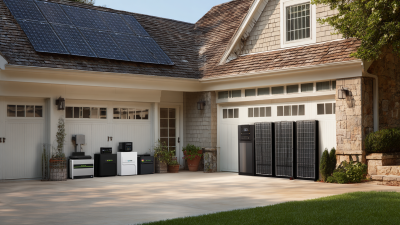
In today’s fast-changing world of energy storage, Home Battery Backups are really becoming a key part of everyday life. They give homeowners more control over their energy use and add a sense of reliability that folks really appreciate. As Dr. Emily Carter, a well-known expert in renewable energy systems, often says, 'Home battery backups aren’t just a fancy gadget anymore; they’re pretty much a must-have for anyone looking to live sustainably these days.' That just goes to show how crucial it is to pick the right system that fits your personal needs and situation.
 At Shenzhen Ensmar Technology Co., Ltd., they’re leading the charge in this important field. They focus on lithium energy storage solutions designed for a bunch of different industries, especially with the growing demand for home energy management. With a real passion for innovation and quality, ENSMAR creates highly efficient storage systems that help people make the most of renewable energy — and keep the lights on during power outages.
Looking ahead to 2025, picking the Best Home Battery backup might feel a bit overwhelming — there are so many options out there! But understanding what features matter most to you and what you really need from these systems is super important. Whether it’s about boosting energy resilience or helping the environment, homeowners should consider a few key factors to make smart choices. After all, you want a system that not only works now but can also handle whatever energy challenges the future throws at you.
Understanding Home Battery Backup Systems: Key Features to Consider
When choosing a home battery backup system, it is essential to understand the key features that will best suit your needs. One of the primary considerations is capacity, which indicates how much energy the battery can store. A higher capacity is beneficial for households with high energy consumption, ensuring that essential appliances remain powered during outages. Additionally, examining the battery's output power is crucial, as it determines how many devices can be connected simultaneously.
Another critical feature to consider is the charging speed of the battery backup. A system that can recharge quickly will minimize downtime during power outages, allowing for a seamless transition when the grid goes down. Moreover, it’s important to look at the lifespan and warranty of the battery, as these factors will impact the long-term value of your investment. Finally, compatibility with renewable energy sources, such as solar panels, can enhance the overall effectiveness of the battery backup system, making it a sustainable choice for many homeowners.
Assessing Your Energy Needs: Calculating Capacity and Output
When considering the best home battery backups for your needs in 2025, the first step is to assess your energy requirements accurately. This involves calculating the total capacity and output needed to sustain your household during outages or periods of peak demand. Begin by evaluating your home’s energy consumption—identify key appliances and their running times to determine the total watt-hours required. For example, if you need to power a refrigerator (approximately 150-800 watts) and essential lighting (around 60 watts) for several hours, you'll need a battery system that can handle such loads effectively.
Shenzhen Ensmar Technology Co., Ltd. offers advanced lithium energy storage solutions tailored to diverse energy needs. Specializing in high-capacity lithium battery systems, ENSMAR ensures that homes can harness renewable energy with efficiency and reliability. By choosing a system that integrates seamlessly with renewable sources, such as solar panels, homeowners can not only secure their energy supply but also contribute to sustainability efforts. With the evolving landscape of energy needs, selecting the right battery backup becomes essential for enhanced resilience and energy independence.
Exploring Different Types of Home Battery Technologies
When considering home battery backups, it's essential to explore the various types of battery technologies available on the market. Lithium-ion batteries remain the most popular choice for residential applications, accounting for over 60% of the home energy storage market as of 2023. They are favored for their high energy density, longer lifespan, and efficient charging capabilities. According to a recent report by the International Energy Agency (IEA), the adoption of lithium-ion technology in home energy storage systems is poised to grow at an annual rate of 25% through 2025.
Another technology gaining traction is lead-acid batteries, which have been in use for decades. Although they tend to be less efficient and have shorter lifespans compared to lithium-ion batteries, they are more cost-effective, making them suitable for budget-conscious consumers. The market report indicates that while lithium-ion systems dominate in capacity, lead-acid remains relevant due to its lower upfront costs, especially for off-grid setups.
Tips: When selecting a battery type, consider your specific energy needs, budget constraints, and installation space. Additionally, think about whether you want a system that integrates with renewable energy sources, such as solar panels, as this can enhance your energy independence. Lastly, always check for warranties and performance guarantees, as these can significantly impact the long-term value of your investment.
Evaluating Cost-Effectiveness: Budgeting for Your Battery Backup
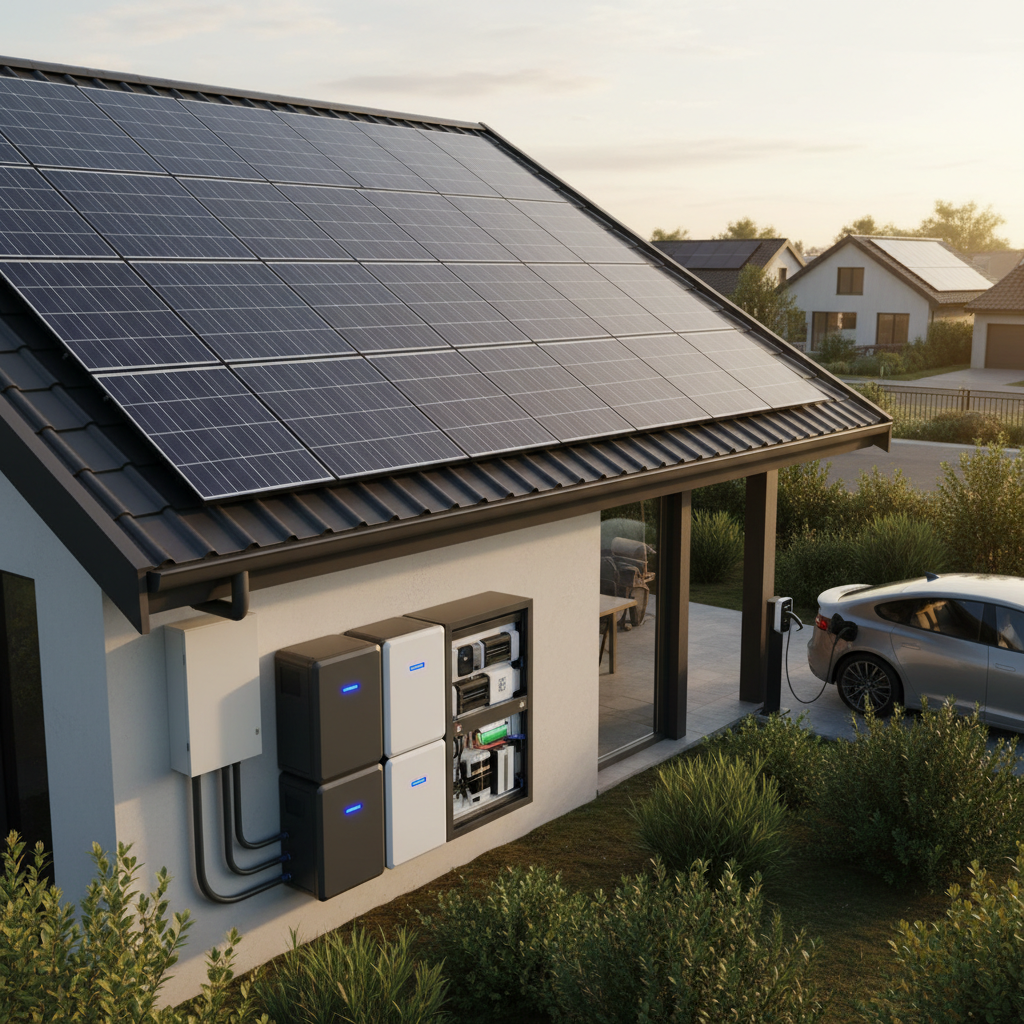
When considering a battery backup for your home in 2025, evaluating cost-effectiveness is paramount. A well-planned budget can help identify the most suitable options that not only fit your financial constraints but also meet your energy needs efficiently. It's essential to factor in the initial purchase cost alongside potential long-term savings from reduced electricity bills and the benefits of renewable energy integration. Assessing your home’s energy consumption patterns can guide you in selecting a system that optimizes both performance and savings.
Shenzhen Ensmar Technology Co., Ltd. stands out in this field with its innovative lithium energy storage solutions. As a leading manufacturer, Ensmar focuses on developing state-of-the-art energy storage systems designed to cater to various industries, including renewable energy. Their products offer an excellent balance between capacity, longevity, and efficiency, making them an ideal choice for homeowners seeking reliable battery backups. By investing in quality technology like that from Ensmar, consumers can achieve significant cost-effectiveness over time, ensuring that their backup power solutions remain both functional and financially prudent.
2025 Home Battery Backup Evaluation
| Battery Type | Capacity (kWh) | Cost ($) | Cycle Life | Warranty (Years) | Efficiency (%) |
| Lithium-ion | 10 | 800 | 4000 | 10 | 95 |
| Lead Acid | 12 | 500 | 500 | 5 | 80 |
| Saltwater | 9 | 700 | 2000 | 10 | 90 |
| Nickel-based | 8 | 900 | 3000 | 7 | 85 |
Installation and Maintenance: Ensuring Optimal Performance
When selecting a home battery backup system, installation and maintenance are crucial for ensuring optimal performance. Proper installation can significantly extend the lifespan of the battery and enhance its efficiency. It's essential to hire a certified technician who understands local codes and regulations. Moreover, ensure that the installation site is cool, dry, and free from direct sunlight, as excessive heat can damage the battery.
To keep your battery backup functioning at its best, regular maintenance checks are vital. A few simple tips can help: first, periodically inspect the battery connections for corrosion and make sure they are tight. Second, test the system under load to verify that it's performing effectively, especially before peak usage times like storms or winter months. Lastly, maintain a clean environment around the battery, as dust and debris can affect airflow and cooling.
Additionally, consider using a monitoring system to keep track of your battery's health and performance. This will alert you to any issues before they become significant problems, ensuring that your backup system remains reliable when you need it most.
Home Battery Backup Capacity Comparisons (2025)
Comparing Top Brands for Reliability and Warranty Options
When selecting the best home battery backups for your needs, reliability and warranty options play crucial roles in the decision-making process. Leading brands in the industry often provide varying levels of durability, performance, and power storage capabilities. It's essential to assess how long each battery can last during outages and what kind of load it can handle. Factors like the quality of the battery cells, the efficiency of the inverter, and the overall design will significantly impact reliability over time. Brands such as Tesla, LG Chem, and Generac have established reputations for delivering dependable products that continue to perform under demanding circumstances.
Equally important is the warranty offered by these manufacturers. A strong warranty can indicate the company's confidence in their product and provide peace of mind for consumers. Typically, battery warranties range from 5 to 10 years, covering issues such as capacity degradation and manufacturing defects. It's advisable to look for warranties that not only offer a significant duration but also detail the specific terms and conditions, including what types of failures are covered. Evaluating these aspects will ensure you choose a home battery backup that is both reliable and backed by a solid warranty, ultimately providing secure energy solutions for your household.
FAQS
: The primary consideration is the capacity of the battery, which indicates how much energy it can store. Higher capacity is beneficial for households with high energy consumption to keep essential appliances powered during outages.
Output power is crucial because it determines how many devices can be connected to the battery simultaneously during a power outage.
Charging speed minimizes downtime during power outages. A system that recharges quickly allows for a seamless transition when the grid goes down.
The lifespan and warranty of a battery directly impact the long-term value of your investment, as they determine how long the battery will function effectively and if it is protected against defects.
Yes, compatibility with renewable energy sources such as solar panels can enhance the effectiveness of the battery backup system, making it a more sustainable choice for homeowners.
Evaluate the initial purchase cost alongside potential long-term savings from reduced electricity bills and the integration of renewable energy. Consider your home’s energy consumption patterns to select a suitable system.
Shenzhen Ensmar Technology Co., Ltd. is highlighted as a leading manufacturer known for innovative lithium energy storage solutions.
Ensmar's products are designed to offer an excellent balance between capacity, longevity, and efficiency, making them a reliable choice for homeowners seeking effective battery backups.
This approach helps identify options that fit financial constraints while meeting energy needs efficiently, ensuring an optimal investment in both performance and savings.
Conclusion
In the 2025 guide on choosing the best Home Battery Backups, it is essential to understand the key features that differentiate various systems, such as capacity, output, and technology types. Homeowners should assess their specific energy needs to calculate the required capacity and output effectively. Exploring the different types of home battery technologies, including those developed by leading manufacturers like Shenzhen Ensmar Technology Co., Ltd., which specializes in advanced lithium energy storage solutions, can greatly influence the decision-making process.
Cost-effectiveness should also be a priority; budgeting for a battery backup involves evaluating not just the initial investment but also long-term savings. Installation and regular maintenance are critical to ensuring optimal performance over time. Finally, comparing top brands for reliability and warranty options can provide peace of mind, ensuring that your Home Battery Backups system will be a reliable source of energy when needed the most.