

Hot Products
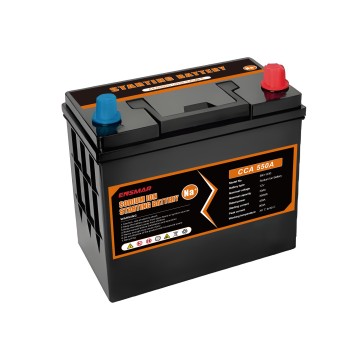
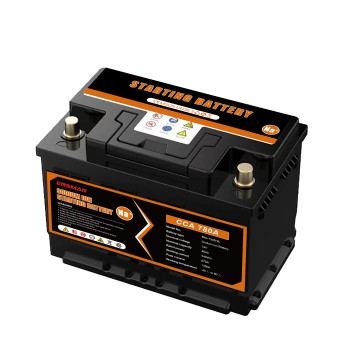
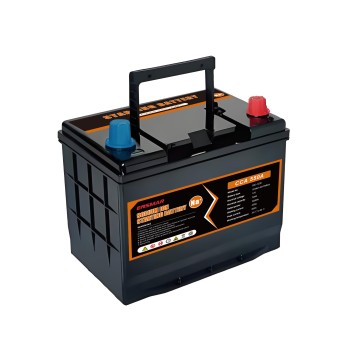
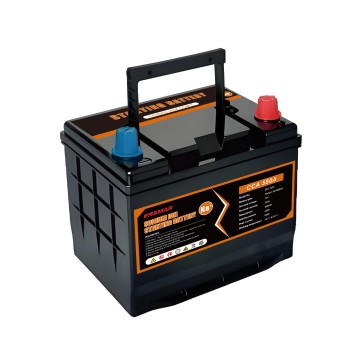
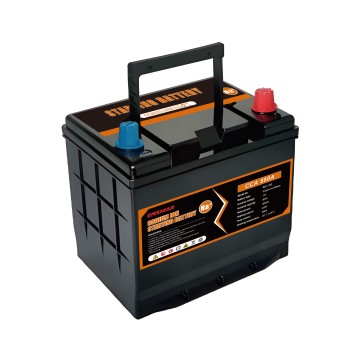
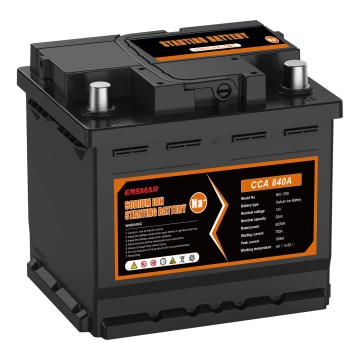
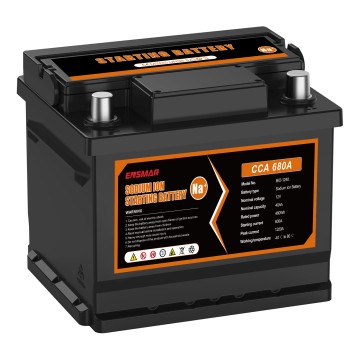
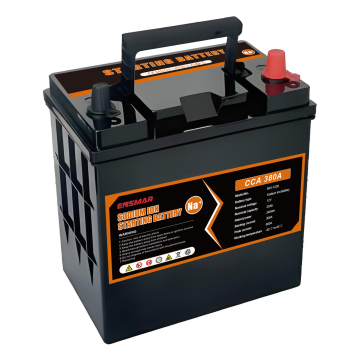
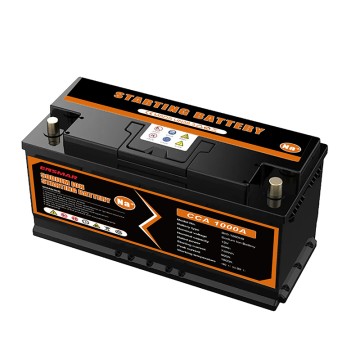

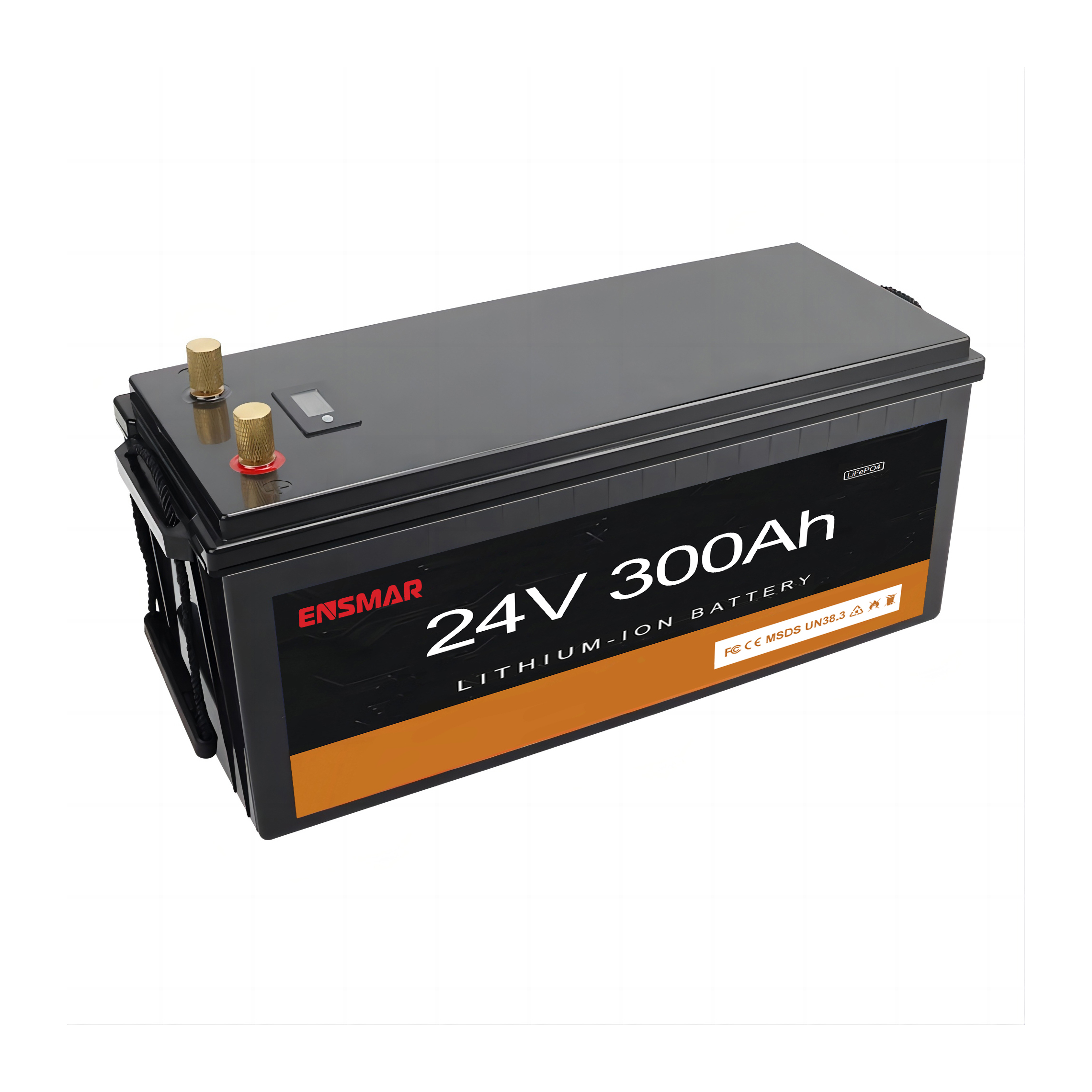
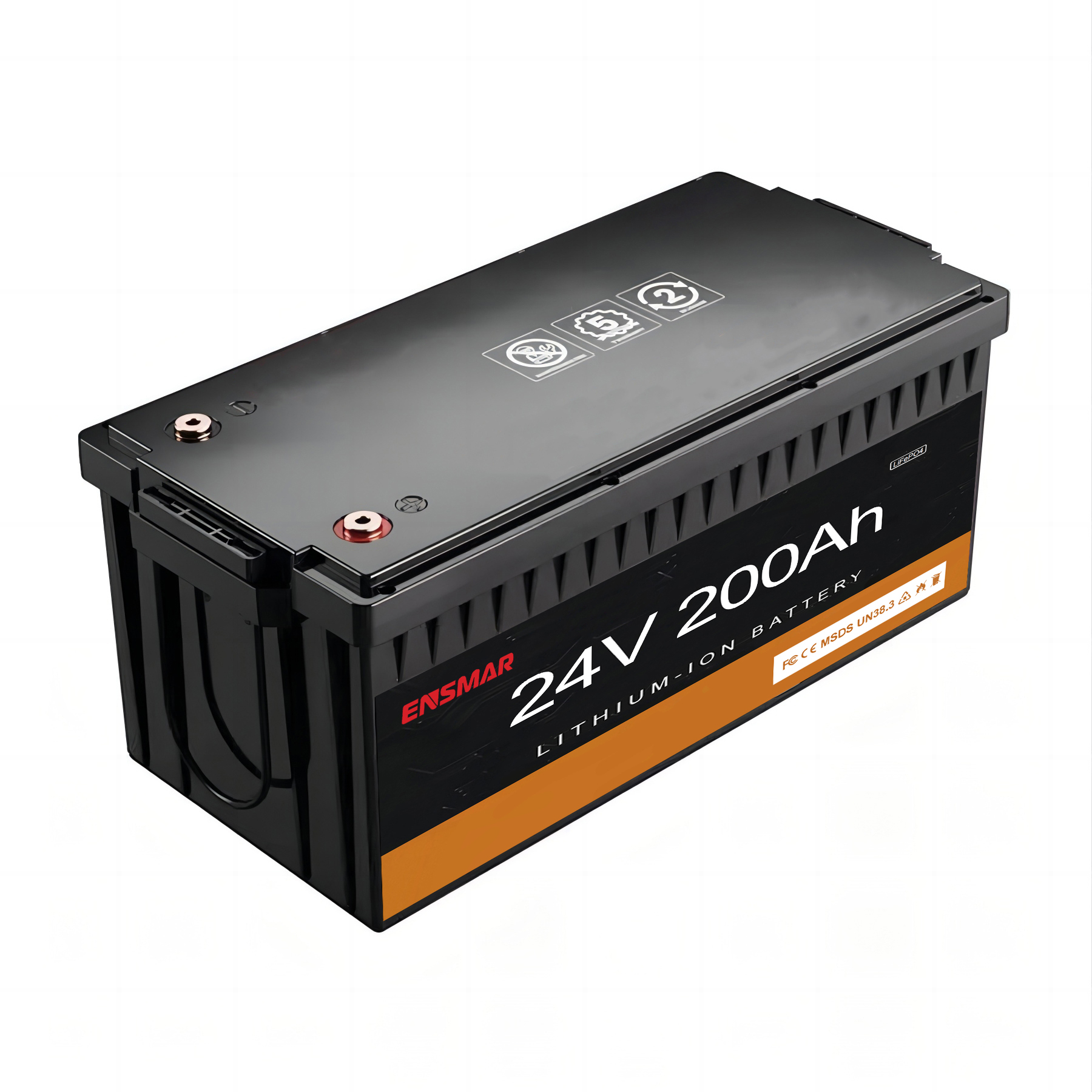
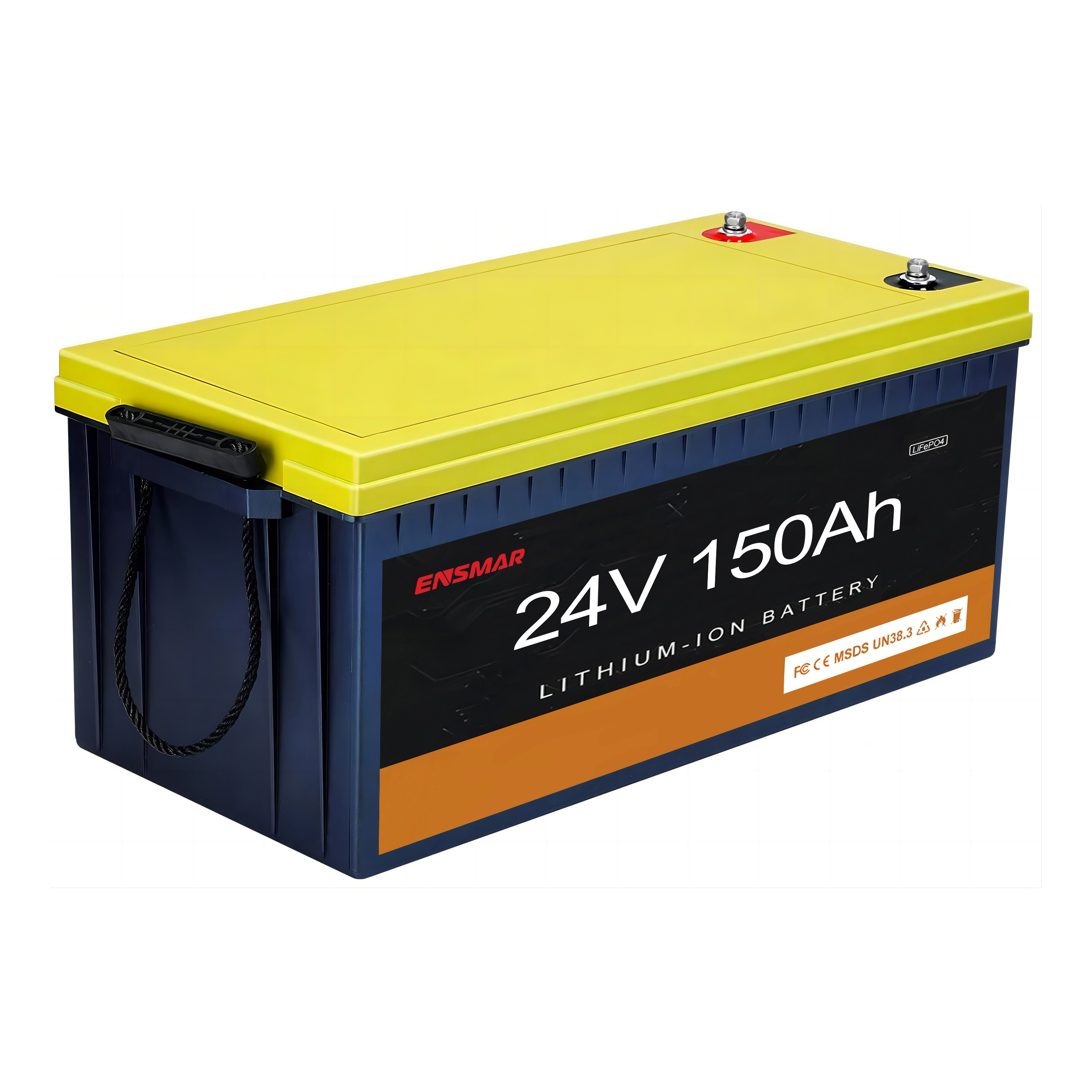
24V Deep Cycle LiFePO4 Lithium Battery - Reliable Power from China Suppliers and Factory
Product Features
Self-designed BMS, every battery module is equipped with a standalone one
Top brand Grade A LiFePO4 battery cells, top class safety
Long cycle life energy storage battery
Monitor software is built-in, supporting real-time tracking battery status (optional)
Certification of IEC62619, UN38.3, CEC approved etc
Technical Description
| MODEL | Gaea 24100 | Gaea 24150 | Gaea 24200 | Gaea 24280 | Gaea 24300 |
| Battery Type | LiFePO4 (lithium iron phosphate battery) | ||||
| Nominal Capacity | 100Ah | 150Ah | 200Ah | 280Ah | 300Ah |
| Nominal Voltage | 25.6V | ||||
| Total Energy | 2560Wh | 3840Wh | 5120Wh | 7168Wh | 7680Wh |
| Charge Cut-off Voltage | 28.8V | ||||
| Disharge Cut-off Voltage | 20V | ||||
| Charge Current | 100A max | 150A max | 200A max | 150A max | 150A max |
| Discharge Current | 100A max | 150A max | 200A max | 150A max | 150A max |
| Lifespan (80% DOD) | ≥4000 cycles, 25°C | ||||
| Working Environment | -20°C-60°C, < 95% RH | ||||
| Storage Environment | -20°C〜50°C, < 95% RH | ||||
| Operating Altitude | <2000m | ||||
| Design Life | 15 years | ||||
| Warranty Period | 5 years, 10years optional | ||||
Tips About Lithium Battery
Before purchase camping battery, what should we consider?
Before purchasing a camping battery, it's important to consider several factors to ensure that the battery meets your specific needs and enhances your camping experience. Here's a guide to help you make an informed decision:
Before purchasing a camping battery, it's important to consider several factors to ensure that the battery meets your specific needs and enhances your camping experience. Here's a guide to help you make an informed decision:
1. Power Requirements
- Calculate Your Energy Needs: Determine the total power consumption of all the devices and appliances you plan to use during your camping trip. Common items include lights, a portable fridge, fans, and electronic devices.
- Estimate Daily Usage: Calculate how many hours each device will be used per day and multiply by its power consumption (in watts or ampere-hours) to estimate your total daily energy requirement.
2. Battery Capacity
- Ampere-Hours (Ah): Choose a battery with a capacity that matches or exceeds your estimated daily energy requirement. Higher Ah ratings mean the battery can store more energy.
- Energy Reserve: Consider choosing a battery with a little extra capacity to account for unexpected energy needs or inefficiencies.
3. Battery Type
- Lead-Acid (Flooded, AGM, Gel): These are heavier but more affordable, with AGM and Gel batteries offering maintenance-free options.
- Lithium-Ion: Lighter, longer-lasting, and capable of deep discharge without damage. They are more expensive but offer better performance and longevity.
- Portable Power Stations: Some campers prefer all-in-one solutions that include an inverter, battery management system, and multiple output options (USB, AC, DC).
4. Portability
- Weight: Consider how much weight you can comfortably carry, especially if you’ll be moving the battery frequently.
- Size: Ensure the battery fits in your camping setup, whether it’s in a tent, vehicle, or backpack.
5. Charging Methods
- Solar Charging: If you plan to use solar panels, make sure the battery is compatible and has the appropriate connections.
- Vehicle Charging: Check if the battery can be charged via your vehicle’s alternator while driving.
- Mains Charging: Consider how you’ll recharge the battery when you have access to mains electricity.
6. Battery Durability
- Vibration and Shock Resistance: Important for batteries used in off-road or rough conditions.
- Waterproof and Dustproof: Consider a battery that can withstand exposure to the elements, especially if you camp in harsh environments.
- Temperature Tolerance: Ensure the battery performs well in the temperature extremes you might encounter during your trips.
7. Cycle Life
- Longevity: Look for a battery with a high cycle life, especially if you plan to use it frequently. Lithium-ion batteries typically offer the best cycle life.
8. Compatibility
- Device Compatibility: Ensure the battery has the right output ports (USB, 12V, AC) for your devices.
- Inverter Compatibility: If you need AC power, ensure the battery can be paired with a suitable inverter.
9. Budget
- Initial Cost vs. Long-Term Value: While lithium-ion batteries are more expensive upfront, they often provide better long-term value due to their longer lifespan and superior performance.
- Total Cost of Ownership: Consider the total cost, including maintenance, charging equipment, and potential future replacements.
10. Brand Reputation and Warranty
- Reliability: Choose a battery from a reputable brand known for quality and reliability.
- Warranty: Check the warranty offered, as a longer warranty period often reflects better quality and durability.
11. Ease of Use
- User-Friendly Features: Look for features like built-in battery meters, easy-to-carry handles, and straightforward charging and discharging processes.
- Battery Management System (BMS): A good BMS will protect the battery from overcharging, deep discharging, and overheating, extending its lifespan.
When selecting a camping battery, carefully consider your energy needs, battery capacity, type, portability, and charging options. Durability and compatibility with your equipment are also key, as is balancing your budget with long-term value. By evaluating these factors, you can choose a camping battery that ensures reliable power throughout your outdoor adventures.
Frequently Asked Questions (FAQ)
What type of battery cells are used in the Gaea series?
The Gaea series utilizes top-brand Grade A LiFePO4 (lithium iron phosphate) battery cells, providing top-class safety, thermal stability, and prolonged performance.
What is the expected lifespan and warranty for these batteries?
The batteries deliver a cycle life of ≥4000 cycles at 80% DOD (25°C) with a 15-year design life. They include a standard 5-year warranty, with a 10-year warranty option available.
How does the integrated BMS protect the battery system?
Each module features a self-designed standalone Battery Management System (BMS) that actively protects against overcharging, deep discharge, overheating, and short circuits, ensuring maximum safety and service life.
Can I monitor battery performance in real-time?
Yes, built-in monitoring software is supported (optional), enabling real-time tracking of critical battery metrics, charge status, and overall system health.
What certifications do these energy storage batteries have?
The battery series complies with international quality and safety benchmarks, holding certifications including IEC62619, UN38.3, and CEC approvals.
What are the recommended operating and storage temperature ranges?
The working temperature range is -20°C to 60°C (< 95% RH), while the recommended storage temperature range is -20°C to 50°C (< 95% RH) at an operating altitude below 2000m.